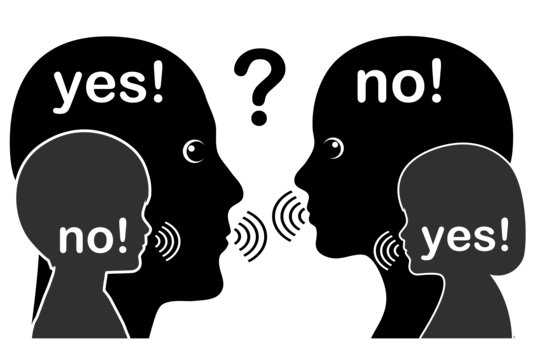


Some of the most damaging choices don’t look reckless. They look responsible. Reasonable. Praised. They align with expectations, check the right boxes, and earn approval.
And yet, something inside resists.
That resistance matters more than appearances.
Looking Right Is a Social Standard, Not a Personal One
What “looks right” is usually defined externally. By culture. Family. Authority. Tradition. Trends. Metrics. Applause.
It reflects what is acceptable, not what is aligned.
Society is very good at producing convincing scripts for how a life should look. It is far less concerned with whether that script fits the person living it.
Doing what looks right can earn approval while quietly eroding integrity.
That erosion is subtle, but cumulative.
The Body Notices Before the Mind Explains
When something feels wrong, it often shows up physically first. Tightness. Fatigue. Dread. A low-level anxiety that doesn’t match the logic of the decision.
This isn’t weakness or irrationality. It’s information.
Your nervous system processes context faster than conscious reasoning. It picks up contradictions between values, boundaries, and expectations before you can articulate them.
Ignoring that signal doesn’t make it disappear.
It just forces it to speak louder later.
Justification Is Often a Red Flag
When a choice requires excessive explanation, something is usually off.
People talk themselves into decisions they don’t believe in by stacking reasons. Security. Optics. Timing. Obligation. Gratitude.
The louder the justification, the quieter the truth underneath it.
Alignment rarely needs defending.
Misalignment demands persuasion.
Doing the “Right” Thing Can Become Self-Betrayal
Many people pride themselves on being reliable, rational, and agreeable. They do what is expected because they don’t want to disappoint or disrupt.
Over time, this habit creates a life that looks correct from the outside and feels hollow from the inside.
Self-betrayal doesn’t announce itself as betrayal.
It announces itself as maturity, sacrifice, or realism.
Until the cost becomes impossible to ignore.
Discomfort Is Not the Same as Wrongness
It’s important to distinguish between growth discomfort and misalignment.
Growth discomfort feels challenging but energizing. There’s fear, but also curiosity. A sense of expansion.
Wrongness feels constricting. Draining. Like you are shrinking to fit a shape that isn’t yours.
Learning this difference is a skill. It requires honesty and attention, not avoidance.
External Validation Is a Poor Compass
Approval can be intoxicating. Praise can drown out doubt. Being seen as “doing the right thing” can feel safer than trusting your own sense of direction.
But validation fades quickly.
Consequences don’t.
You are the one who has to live with the outcome long after the applause moves on.
Listening to yourself isn’t selfish.
It’s responsible.
Right for Whom?
A powerful question often goes unasked: right for who?
Right for your family?
Your employer?
Your image?
Your past self?
Or right for the person you are becoming?
What looks right in one context can be deeply wrong in another. Timing, capacity, and identity matter.
Ignoring that complexity leads to choices that age poorly.
The Cost of Ignoring “Wrong”
When you repeatedly do what feels wrong, you train yourself not to listen. Intuition dulls. Resentment grows. Motivation thins.
Eventually, the disconnect shows up as burnout, anger, anxiety, or numbness.
By then, the decision is no longer abstract.
It’s embodied.
Choosing Alignment Over Appearance
Choosing not to do what looks right doesn’t always look heroic. It can look confusing. Inconsistent. Disappointing to others.
That discomfort is often temporary.
The relief of alignment lasts much longer.
Living in alignment doesn’t mean life becomes easy. It means effort feels honest. Struggle feels meaningful. Direction feels yours.
That is worth more than looking right.
You are not required to live a life that photographs well but feels wrong.
The quiet knowing inside you is not an inconvenience to overcome.
It’s a guide.
And ignoring it is far riskier than trusting it.