

Beyond the Explosion: Human Error, Political Silence, and Long-Term Consequences Still Unfolding Today
On April 26, 1986, the world didn’t immediately understand what had happened in Chernobyl. There was no instant global alert, no dramatic announcement, no urgent warning to nearby populations. What unfolded was not only a nuclear disaster, but a slow-burning crisis fueled by human error, systemic failure, and silence at the highest levels of power.
Chernobyl was not a single moment. It was a chain reaction, technical, political, and human, whose consequences are still visible today.
The night everything went wrong
The explosion at Reactor No. 4 was not the result of sabotage or an unavoidable accident. It began as a routine safety test meant to determine whether the reactor could continue cooling during a power outage.
That test should never have been conducted under the conditions that night.
Operators disabled critical safety systems to complete the experiment. Power levels dropped dangerously low, creating instability. Design flaws in the RBMK reactor made it highly sensitive at low power, but many operators were not fully informed of this risk.
When they attempted to shut the reactor down, it surged instead.
The result was a massive steam explosion followed by a fire that sent radioactive material high into the atmosphere.
Human error meets flawed design
Blame was initially placed squarely on the operators. Official Soviet reports portrayed them as reckless and incompetent. But later investigations revealed a more complex truth.
The RBMK reactor design itself was deeply flawed. It lacked a containment structure common in Western reactors. Its control rods were designed in a way that could temporarily increase reactivity during insertion, a fatal defect under the conditions that night.
Operators were trained within a culture that discouraged questioning authority and rewarded completing orders over raising concerns.
Chernobyl was not just a failure of individuals. It was a failure of system design, communication, and culture.
The silence that followed
Perhaps the most devastating decision came after the explosion.
Authorities delayed evacuating the nearby city of Pripyat. Residents continued their daily routines as invisible radiation spread through the air. Children played outside. Families walked the streets. No one was warned.
It took nearly 36 hours before evacuation began.
Even then, people were told they would return in a few days. Most never did.
International acknowledgment came only after radiation detectors in Sweden, thousands of miles away, registered abnormal levels. The Soviet Union could no longer deny something had happened.
By then, the damage was irreversible.
The liquidators: heroes with a cost
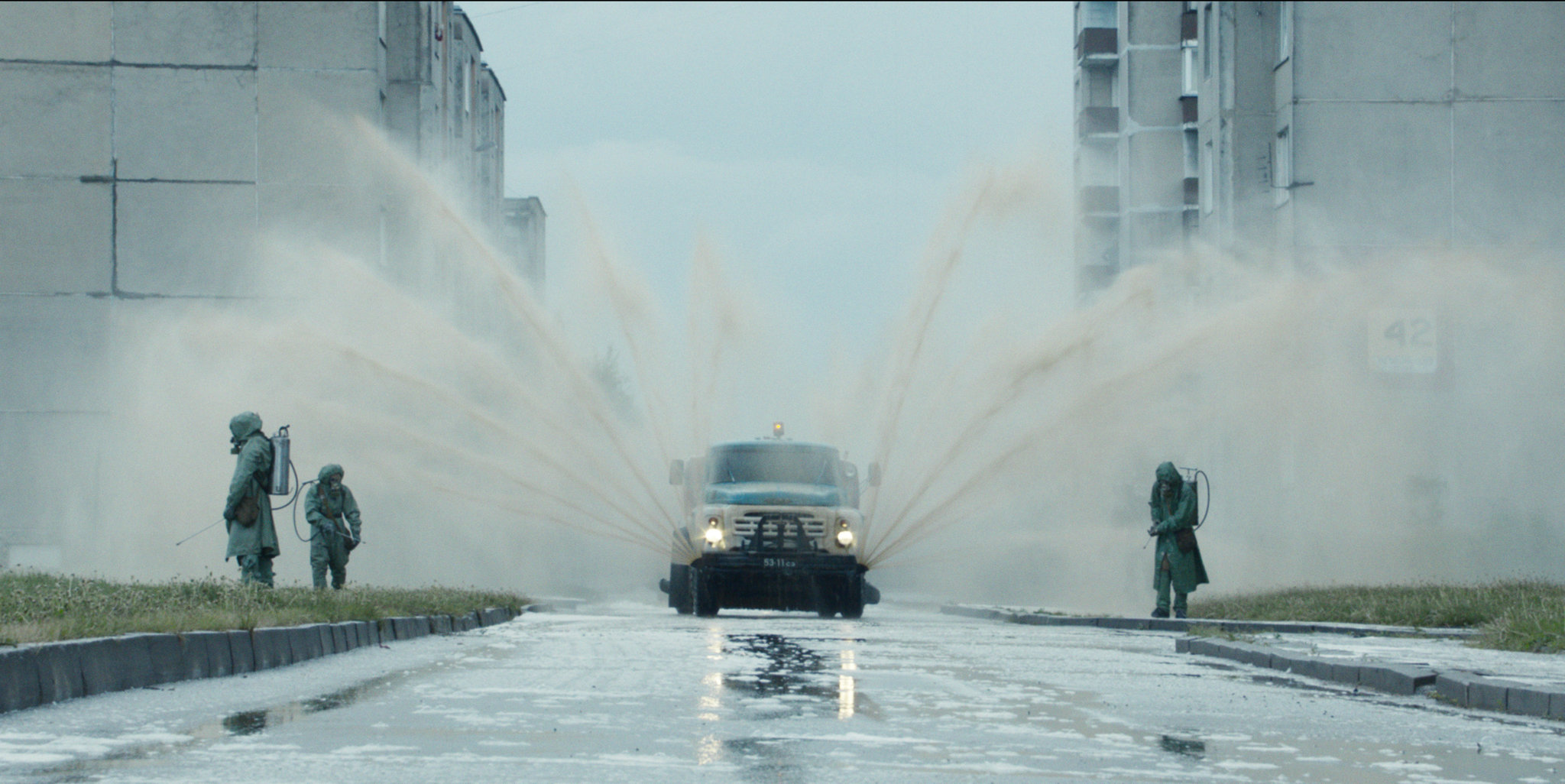
In the aftermath, hundreds of thousands of workers, later called liquidators, were sent to contain the disaster.
They cleared radioactive debris, extinguished fires, and built the first sarcophagus around the destroyed reactor. Many worked with minimal protection. Some were given minutes on rooftops where radiation levels were lethal.
Their actions prevented a far worse catastrophe.
Many paid with their health. Some with their lives.
For decades, their sacrifices were downplayed, and their illnesses often went unacknowledged.
The long-term human toll
Radiation does not explode once and disappear. It lingers.
Thyroid cancer rates spiked, particularly among children exposed to radioactive iodine. Psychological trauma spread across displaced populations. Entire communities were uprooted and never fully recovered.
The true number of deaths linked to Chernobyl remains debated. What is not debated is that the impact extended far beyond the immediate blast zone.
Fear, displacement, and mistrust became lasting legacies.
An exclusion zone reclaimed by nature
Today, the Chernobyl Exclusion Zone presents a haunting paradox.
Human life vanished, but wildlife returned. Forests grew. Animals adapted. Wolves, deer, and birds now roam areas once considered uninhabitable.
This does not mean the land is healed. Radiation remains in soil and structures. Nature’s return is uneven and complex.
Chernobyl is not proof that nuclear disasters are harmless. It is proof that nature responds differently than humans.
Political consequences that echoed outward
Chernobyl shattered trust in the Soviet government. It exposed how secrecy could magnify disaster. Many historians consider it a turning point that accelerated the collapse of the Soviet Union.
It also reshaped global nuclear policy.
Safety standards changed. Transparency became harder to ignore. The idea that nuclear power could be perfectly controlled was permanently challenged.
Why Chernobyl still matters
Chernobyl is not just a historical event. It is a warning.
It shows what happens when flawed technology meets rigid hierarchy, when information is withheld, and when saving face matters more than saving lives.
The explosion lasted seconds.
The consequences have lasted generations.
What really happened in Chernobyl was not just a nuclear accident.
It was a human one.
And its lessons remain unfinished.