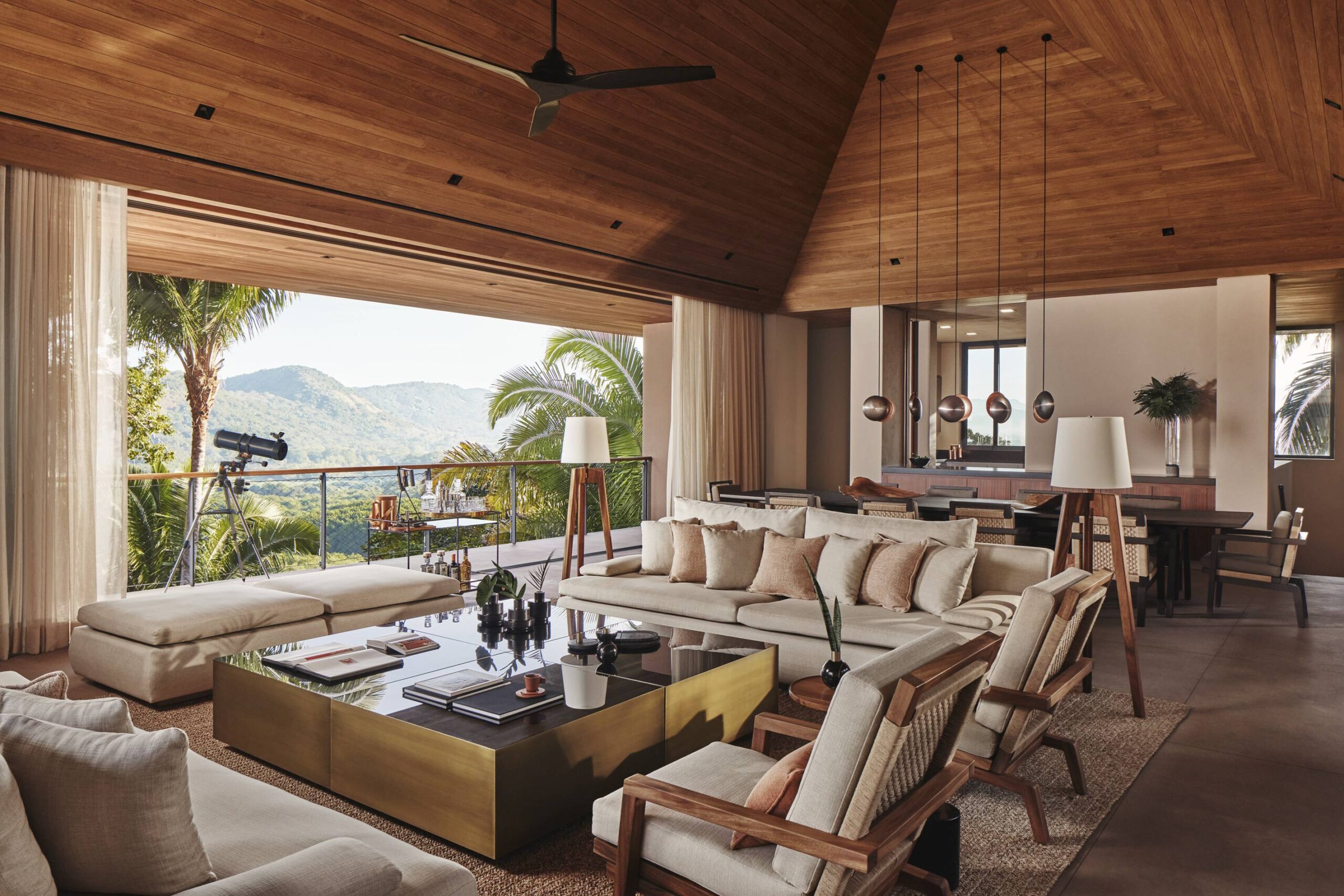
There was a time when luxury meant excess. Bigger houses. Louder logos. Overflowing closets. Imported everything. Status was measured in how much could be consumed and how visibly it could be displayed.
That era is quietly fading.
Today, the new signal of success is not how much you own, but how intentionally you live. Eco-friendly choices have moved out of the fringe and into the center of modern aspiration, not as a sacrifice, but as a refinement.
Luxury has changed its language.
The collapse of loud consumption
For decades, excess operated as proof. The more resources one could waste without consequence, the higher their perceived position. But abundance lost its glamour once its cost became impossible to ignore. Climate instability, supply chain fragility, and environmental damage reframed consumption from power to liability.
What once looked impressive now often looks careless.
A massive house that bleeds energy. Fast fashion that disintegrates after a season. Disposable culture packaged as convenience. These no longer signal wealth. They signal disconnection.
In contrast, restraint now reads as confidence.
Why eco-friendly choices read as status
Sustainable living requires access to information, patience, and long-term thinking. Choosing quality over quantity, durability over trend, and responsibility over impulse is not cheap, rushed, or accidental.
It suggests something deeper than money. It suggests control.
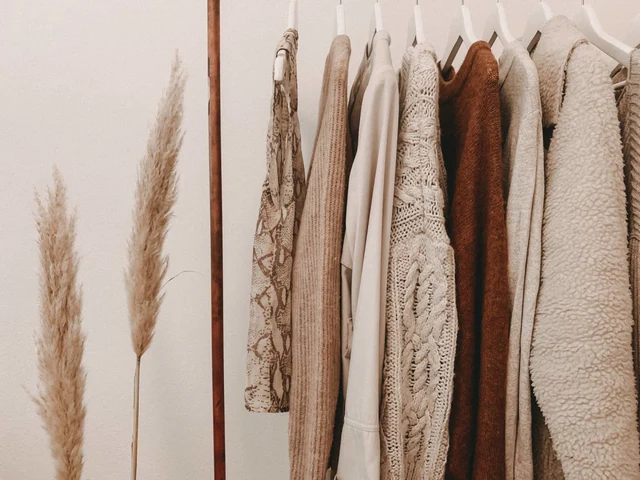
An eco-conscious home with efficient design implies foresight. A curated wardrobe made from natural, lasting materials implies taste that doesn’t chase validation. Local food choices imply awareness of systems beyond oneself.
In modern culture, awareness itself has become a form of capital.
The rise of quiet luxury values
Eco-friendly luxury doesn’t announce itself. It doesn’t need to. It exists in textures, materials, and decisions that prioritize longevity over display.
Natural light instead of oversized chandeliers. Craftsmanship instead of logos. Fewer possessions, chosen carefully. Homes designed to work with climate, not against it.
This shift mirrors a broader cultural movement toward quiet luxury, where status is conveyed subtly, almost invisibly. Sustainability fits seamlessly into this aesthetic because it values what lasts, not what shouts.
Time as the ultimate luxury
Perhaps the most overlooked element of sustainable living is time. Eco-friendly choices often take longer. Researching products. Maintaining instead of replacing. Cooking instead of ordering. Repairing instead of discarding.
Time is no longer abundant. Those who can slow down, plan ahead, and live deliberately signal a form of wealth that cannot be purchased quickly.
Sustainable living says: I am not rushing. I am not desperate. I am not performing.
That message resonates deeply in a culture exhausted by speed.
From sacrifice to self-respect
The old narrative framed eco-friendly living as deprivation. Smaller homes. Fewer options. Less convenience. But modern sustainability has rewritten that story.
What looks like “less” is often more comfort, more calm, more coherence. Fewer toxins. Cleaner air. Better food. Spaces designed for human rhythm rather than consumption cycles.
This is not about denial. It is about alignment.
People are no longer impressed by how much someone can afford to waste. They are impressed by how well someone can live without excess.
The future of status
As environmental awareness continues to shape culture, sustainability will not remain a niche virtue. It will become the baseline expectation of credibility, intelligence, and leadership.
Luxury brands are already adapting. Architecture is shifting. Travel, fashion, and design are recalibrating their values. The signal is clear.
In the coming years, the most admired lives will not be the biggest or loudest. They will be the most balanced, intentional, and resilient.
Eco-friendly is no longer a trend.
It is the new language of success.