
In an industry driven by constant upgrades, louder launches, and relentless competition, consumer satisfaction is fragile. Attention shifts fast. Expectations rise even faster. Yet year after year, one company continues to occupy a rare position of trust and loyalty.
Apple doesn’t just sell devices. It delivers an experience people choose to stay with.
That distinction is why Apple consistently ranks at or near the top of consumer satisfaction metrics across products, services, and retail experience.
Satisfaction built on consistency, not spectacle
Apple’s success in consumer satisfaction is not fueled by novelty alone. While innovation matters, what keeps users loyal is reliability. Products behave predictably. Interfaces feel familiar across generations. Updates refine rather than disrupt.
This consistency creates confidence.
Customers know what they are getting, and more importantly, they know how it will fit into their daily lives. That sense of stability is increasingly rare in consumer technology, where constant change often feels forced rather than helpful.
The ecosystem effect
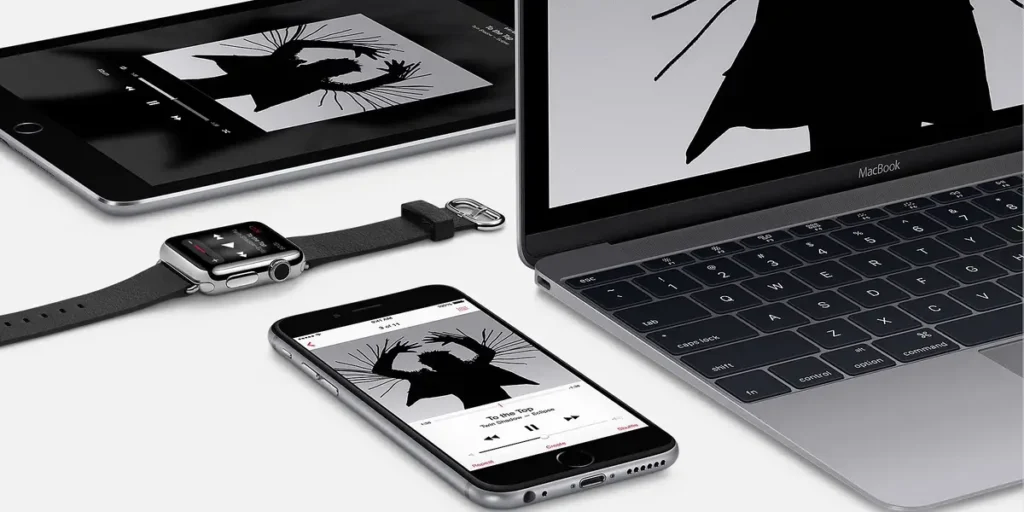
One of Apple’s strongest satisfaction drivers is its ecosystem. Devices are designed not as isolated products, but as interconnected tools.
An iPhone hands work off to a Mac. Photos appear instantly across devices. Messages, notes, files, and calendars stay synchronized without friction. This seamless interaction reduces cognitive load and technical frustration.
For users, convenience becomes invisible. Things simply work.
Leaving the ecosystem feels less like switching brands and more like breaking a routine that already functions smoothly.
Design that respects the user
Apple’s design philosophy plays a major role in satisfaction. Simplicity is not treated as minimalism for aesthetics alone, but as respect for the user’s attention.
Interfaces are intuitive. Hardware feels considered. Materials communicate durability and intention. Features are added selectively, not endlessly.
This restraint builds trust. Users feel that products are designed for long-term use, not short-term excitement.
Retail and support as part of the product
Consumer satisfaction doesn’t end at purchase. Apple understands that support is part of the experience, not an afterthought.
Physical Apple Stores, trained staff, and the Genius Bar create an environment where help feels accessible and human. Problems are addressed face to face, without endless transfers or scripts.
For many customers, this support system reduces anxiety around technology. Knowing help exists makes ownership feel safer and more personal.
Loyalty as a natural outcome
High satisfaction translates directly into loyalty. Apple customers are more likely to repurchase, upgrade within the brand, and recommend products to others.
This loyalty is not enforced through lock-in tactics alone. It is earned through daily reliability, thoughtful design, and consistent service.
People don’t stay because they are trapped. They stay because leaving feels unnecessary.
Not flawless, but trusted
Apple does not lead in every category, and it faces criticism around pricing, repairability, and closed systems. But satisfaction leadership does not require perfection.
It requires trust.
Customers believe Apple will deliver a functional, polished experience that integrates smoothly into their lives. That belief is powerful, and difficult for competitors to replicate.
Why satisfaction matters more than hype
In a market flooded with alternatives, satisfaction has become more valuable than attention. Flashy launches fade. Viral moments disappear. What remains is how a product feels months and years later.
Apple’s continued strength lies in understanding this truth.
Consumer satisfaction is not about impressing people once.
It is about making them comfortable choosing you again.
And that is where Apple continues to lead.