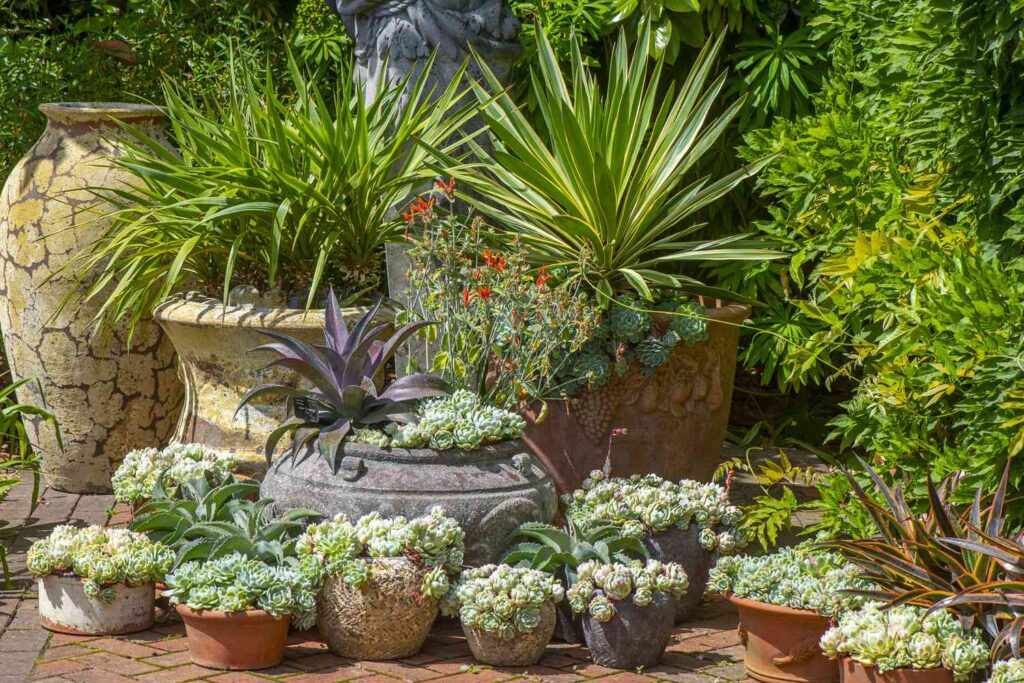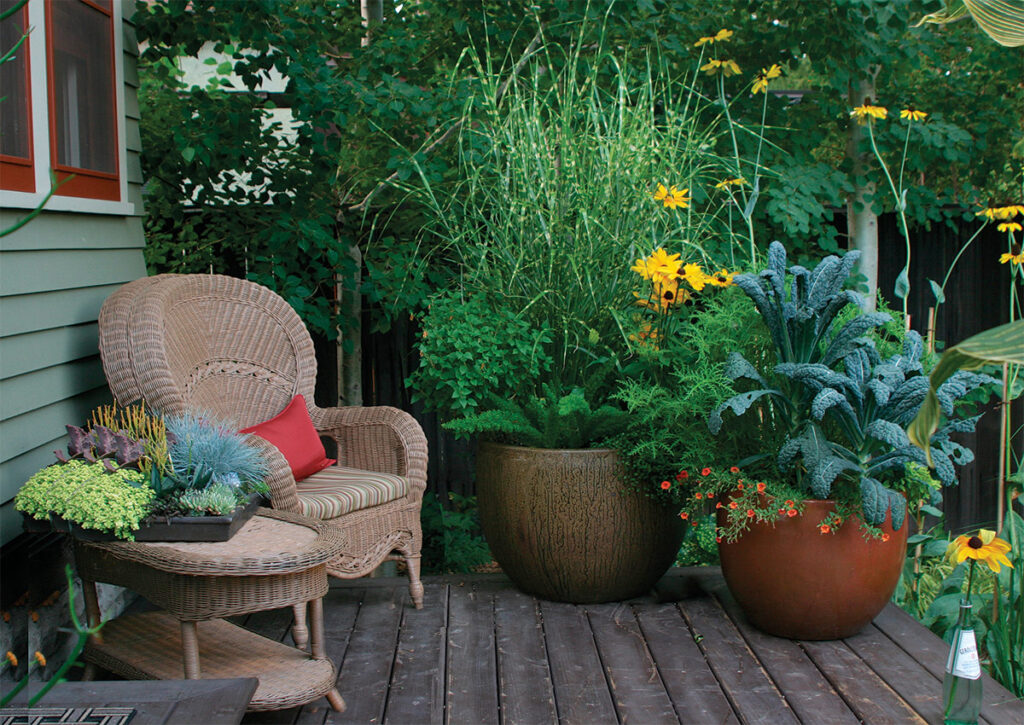

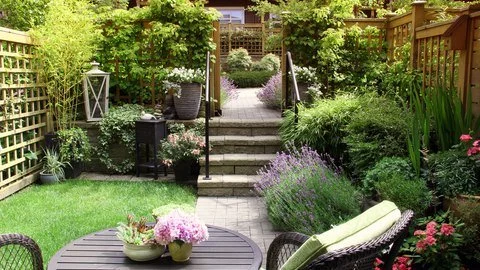
A beautiful garden doesn’t require a big yard or a big budget. It requires intention, patience, and a willingness to let nature do most of the work. The most stunning home gardens are rarely the most expensive. They’re the most thoughtful.
Here’s how to build one without overspending or burning out.
Start with observation, not purchases
Before buying anything, watch your space.
Notice where sunlight falls, how water drains, and which areas stay shaded. This single step saves money by preventing costly mistakes like buying sun-loving plants for shady corners.
Design follows reality, not wishful thinking.
Plan small and grow outward
Trying to transform everything at once is the fastest way to overspend.
Choose one area. A corner, a bed, a balcony, a few containers. Finish it fully before expanding. This keeps costs manageable and builds confidence as you see results.
Gardens reward patience more than ambition.
Use what you already have
Look around before heading to the store.
Old buckets become planters. Wooden crates become raised beds. Glass jars become propagation stations. Even broken pots can be reused for drainage layers.
Repurposing adds character and saves money.
Start from seeds or cuttings
Buying mature plants adds up quickly.
Seeds cost a fraction of the price and offer variety you won’t find at big stores. Many plants also grow easily from cuttings shared by friends, neighbors, or local plant swaps.
Gardening communities are generous. Take advantage of that.
Choose low-maintenance, high-impact plants
Budget-friendly gardens thrive on smart plant selection.
Perennials return every year. Native plants need less water and care. Herbs provide beauty, fragrance, and food at once. Ground covers fill space cheaply and suppress weeds.
Fewer needy plants means lower long-term costs.
Soil matters more than décor
It’s tempting to spend on pots and accessories, but healthy soil delivers the biggest payoff.
Good compost and soil improvement help plants grow stronger, reducing the need for fertilizers and replacements later. You don’t need premium mixes. Homemade compost and simple amendments go a long way.
Healthy soil is an investment that pays back.
Embrace imperfection and growth
A garden doesn’t need to look finished to be beautiful.
Plants grow unevenly. Seasons change. Gaps fill over time. What looks sparse now may be lush in a few months.
Let the garden evolve. It doesn’t need to impress immediately.
Water wisely
Overwatering wastes money and harms plants.
Water deeply and less often to encourage strong roots. Collect rainwater if possible. Mulch to retain moisture and reduce evaporation.
Efficiency keeps costs down and plants healthier.
Add personality slowly
Decor is optional and should come last.
Stones, handmade markers, simple lighting, or a single focal piece can elevate a garden without overwhelming it. Add only what enhances, not what clutters.
Nature is already doing most of the visual work.
Why budget gardens often win
Gardens built slowly tend to feel more alive.
They reflect experimentation, learning, and care. They adapt. They surprise. They don’t feel staged or forced.
A stunning garden isn’t about spending more.
It’s about paying attention, making thoughtful choices, and allowing time to do what money never can.
And when it grows, you’ll know you built it yourself.