

The first great poem of humanity and its timeless struggle with mortality
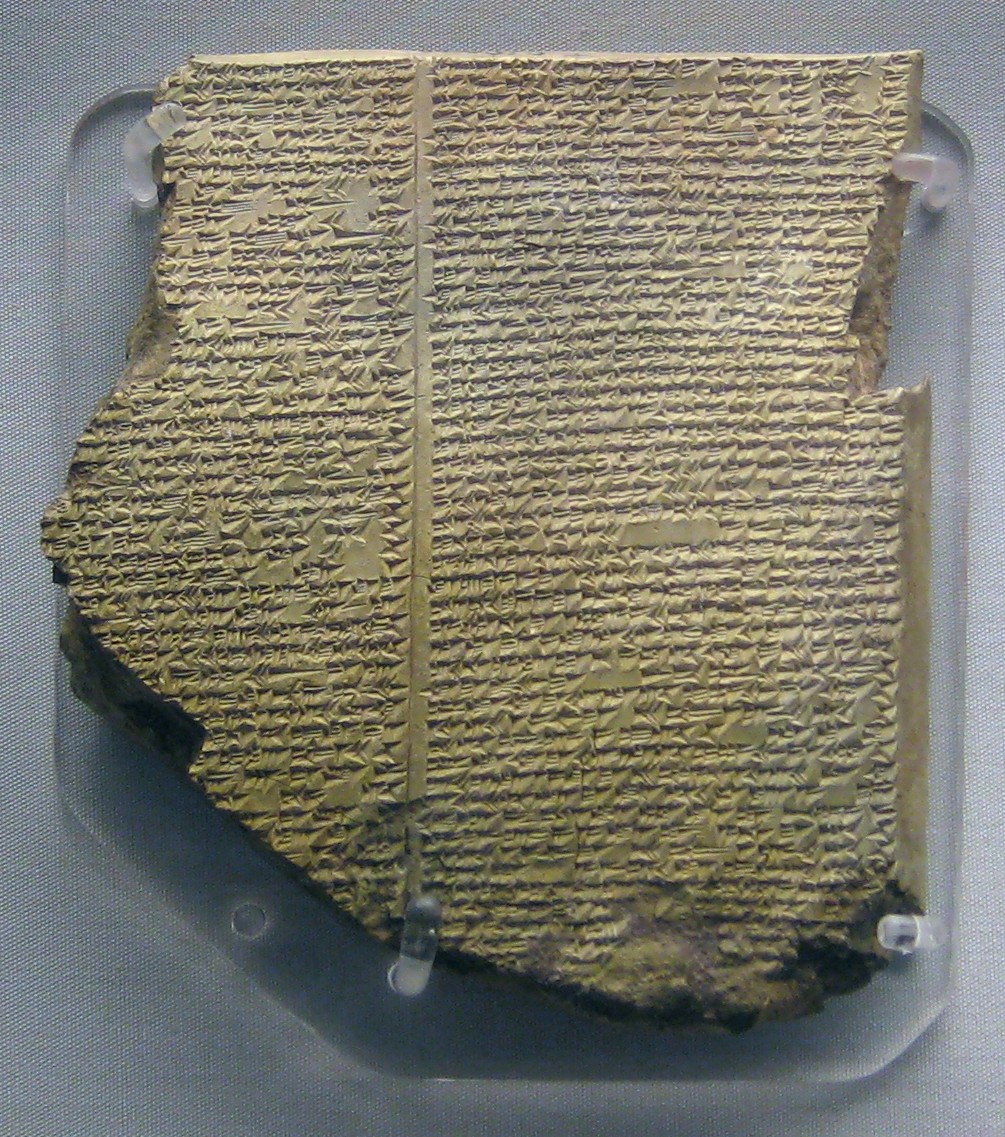
Long before written history became organized into chronicles and dates, humanity told stories to survive itself. The Epic of Gilgamesh stands at the very beginning of that impulse. Composed more than four thousand years ago in ancient Mesopotamia, it is the earliest surviving literary work known to us, preserved on clay tablets written in cuneiform. Yet despite its age, its concerns feel startlingly modern. This is not simply a heroic tale. It is a meditation on what it means to be human.
A king who has everything, and nothing
Gilgamesh, king of Uruk, is introduced as powerful, brilliant, and unstoppable. He is two-thirds divine and one-third human, stronger than any man, wiser than most gods. And yet he is deeply flawed. His strength turns into arrogance. His power becomes cruelty. He rules not as a guardian, but as a force of domination. The poem begins with imbalance. Gilgamesh has conquered the world around him, but not himself.
In response, the gods create Enkidu, a wild man formed from clay, meant to challenge the king. What follows is one of the oldest and most profound depictions of friendship in literature.
Friendship as transformation
When Gilgamesh and Enkidu meet, they do not immediately embrace. They fight. Their clash is violent, equal, and exhausting. And when neither can defeat the other, something rare happens. Respect is born. Their friendship becomes the emotional core of the epic. Enkidu humanizes Gilgamesh. He tempers the king’s excesses and gives him something no conquest ever could: companionship. Together, they face monsters, defy gods, and carve their names into the world.
But the poem does not allow heroism without consequence.
Death enters the story
When Enkidu dies as punishment from the gods, the epic shifts tone completely. The bravado dissolves. Gilgamesh is no longer a triumphant king. He is a grieving man, terrified by the realization that the same fate awaits him. This is where The Epic of Gilgamesh becomes universal. Gilgamesh’s fear is not death alone. It is oblivion. The terror of being forgotten. The knowledge that strength fades, kingdoms fall, and even heroes vanish into dust.
The search for immortality
Driven by grief and panic, Gilgamesh abandons his throne and sets out to find eternal life. His journey takes him across deserts, seas, and mythic boundaries, toward Utnapishtim, the survivor of a great flood and the only human granted immortality by the gods. What Gilgamesh learns is devastating in its simplicity. Immortality is not meant for humans. Even when Gilgamesh briefly obtains a plant that restores youth, it is stolen from him by a serpent. The message is clear and cruel: no trick, strength, or wisdom can outwit death.
A quiet, radical ending
The epic does not end with triumph. It ends with acceptance. Gilgamesh returns to Uruk, not immortal, but changed. He looks upon the walls of the city he built and understands something vital. Human legacy is not eternal life, but meaningful creation. What we build, what we protect, and how we love become our answer to mortality. In one of the most powerful conclusions in world literature, the epic suggests that remembrance, not immortality, is the closest thing humans will ever have to forever.
Why Gilgamesh still matters
Thousands of years later, the questions Gilgamesh asks remain unresolved. Why do we fear being forgotten more than we fear dying. Is friendship the true measure of a life. What does it mean to live well, knowing we will end. The Epic of Gilgamesh survives because it does not pretend to solve these questions. It dares to ask them. In doing so, it reminds us that the human struggle with time, loss, and meaning began long before us, and will likely continue long after. And somehow, in reading it, Gilgamesh is remembered.
NY Glamour Recommends
“A carefully selected collection of products inspired by today’s story.”



Really impressed with the variety of games available here. It feels like a premium experience and the interface is very intuitive. Highly recommend br9096betvip to anyone looking for a top-tier site.