
Snow usually feels gentle—quiet, magical, a soft pause button on the noise of life.
A few flakes drift down. Streets brighten. Children rush outside.
But there is a point where that same snow joins forces with wind and darkness and becomes something else entirely.
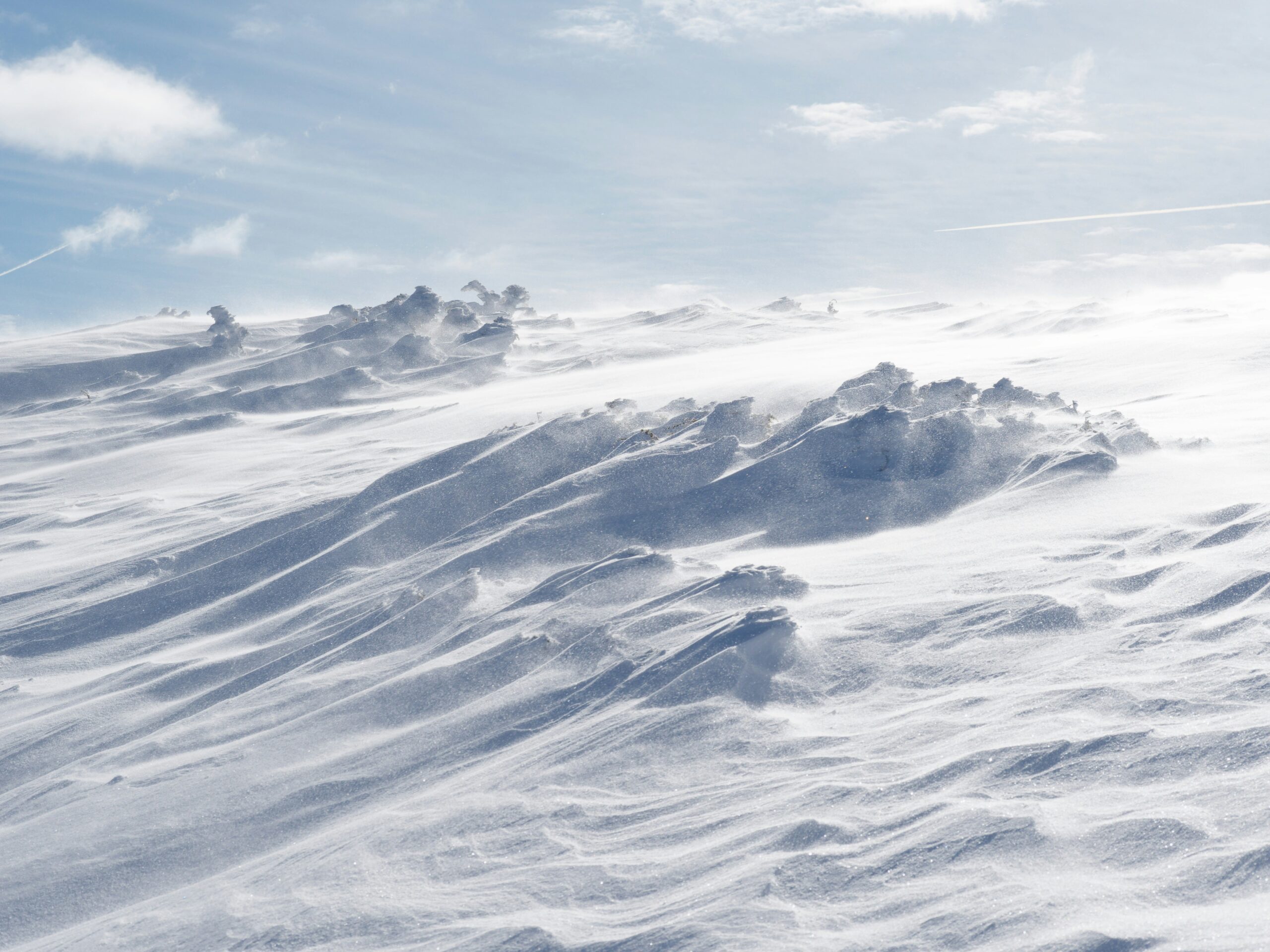
The sky and ground blur into one. The horizon disappears. The air itself becomes a weapon.
That is a blizzard: not just a snowstorm, but a siege.
What is a blizzard, really?
A blizzard is a severe snowstorm defined not only by heavy snowfall, but by powerful winds and very low visibility. It is the combination that makes it dangerous:
– Strong winds: often 35 mph (56 km/h) or more
– Blowing and drifting snow: new snow or old snow lifted off the ground
– Visibility reduced to a few hundred meters or less
– Conditions lasting for hours, sometimes much longer
In a blizzard, you don’t just get snow—you get snow that swirls, slashes, and blinds. Even familiar streets can become disorienting white tunnels where every direction looks the same.
The anatomy of white chaos
Blizzards form when several ingredients come together:
-
Cold air
Obviously, you need below-freezing temperatures so that moisture falls as snow instead of rain. -
Moisture
There must be enough moisture in the air to produce significant snowfall. This often comes from nearby oceans, lakes, or moist air masses colliding with cold fronts. -
Lift and pressure systems
Storm systems, especially intense low-pressure areas, pull in air and encourage it to rise, cool, and condense into clouds and snow. -
Wind
The heart of a blizzard is its wind. Strong pressure differences in the atmosphere create powerful, persistent winds that push the snow horizontally instead of letting it fall gently.
The result isn’t a peaceful winter postcard. It’s a world where snow attacks from the side, stinging your face and making it nearly impossible to see or move.
Whiteout: seeing nothing in a world of everything
One of the most dangerous aspects of a blizzard is whiteout—conditions so severe that the landscape disappears.
– The sky and ground merge into one uniform white.
– Landmarks vanish.
– You can’t see where the road ends and the ditch begins.
– Even a few steps from your door, you can lose your sense of direction.
People have become disoriented and frozen to death within meters of safety because they simply could not see where to go. Vehicles drift off roads, get stuck in snowdrifts, or collide with other cars they never saw coming.
The invisible knife: windchill
Blizzards don’t just reduce visibility; they weaponize the cold.
Windchill is the “feels like” temperature—the way moving air strips heat from exposed skin. In strong winds, the body loses warmth far faster than in still air.
– Fingers, toes, ears, noses can freeze in minutes in extreme windchill.
– Frostbite can happen before anyone realizes how much damage is being done.
– Hypothermia becomes a threat if people are stranded without heat or proper clothing.
A temperature that might be survivable in calm air becomes lethal in a blizzard’s howl.
How blizzards shut down the modern world
Once a blizzard settles in, normal life begins to crumble:
– Roads become impassable under drifting snow. Plows struggle to keep up; snow blows back over lanes they just cleared.
– Highways and mountain passes are closed. Drivers are stranded in their cars, sometimes for hours or days.
– Airports shut down as runways disappear and visibility drops far below safe landing levels.
– Trains are delayed or stopped; rails and switches freeze, snow blocks tracks.
– Power lines snap under the weight of ice and snow or from strong winds, plunging neighborhoods into darkness and cold.
Inside homes, people listen to the storm howl outside, hoping the heat stays on. In rural areas and isolated communities, being snowed in can mean being cut off from emergency services, medical care, and supplies.
The hidden burden: roofs, structures, and strain
Snow looks weightless as it falls, but as it piles up, it grows heavy—especially when mixed with ice or wet snow.
– Roofs can collapse under the weight, particularly flat or poorly maintained ones.
– Sheds, barns, older buildings, and temporary structures are especially vulnerable.
– Icicles and ice dams form along roofs, causing leaks and further damage when they melt.
Meanwhile, snowdrifts sculpt new shapes into the landscape:
– Doors and garages blocked by mountains of snow
– Cars completely buried, just a mirror or antenna barely visible
– Pathways erased, forcing people to dig tunnels just to reach the street
The human side of the storm
Beyond the physical damage, blizzards press on people’s minds and emotions:
– Elderly or chronically ill people worry about running out of medication or losing heat.
– Parents stress over food, diapers, or supplies with stores closed and roads blocked.
– Essential workers—nurses, first responders, power crews—struggle to reach their jobs through dangerous conditions.
– Families share tight spaces for days, listening to the constant wind, cut off from their routines.
For those trapped in cars or remote places, fear can be intense: watching fuel gauges drop, phones lose battery, and snow pile higher against the glass.
Nature’s double edge: beauty and danger
Seen from a safe place—with heat, food, and light—a blizzard can almost look enchanted:
– Snow swirling under streetlights like endless stars
– A world muted and quiet, sounds swallowed in the white
– Fresh, untouched landscapes when the storm finally passes
But that beauty hides hundreds of invisible struggles:
– People working through the night to clear roads
– Emergency crews searching for stranded vehicles
– Farmers digging their animals out of deep drifts
– Neighbors checking on each other to make sure no one is freezing alone
Preparation: the difference between storm and catastrophe
We cannot stop blizzards from forming, but we can choose how ready we are when they arrive.
On a community level:
– Forecasts and early warnings allow authorities to close roads, schools, and workplaces before the worst hits.
– Snowplows and de-icing crews prepare routes and respond around the clock.
– Shelters and warming centers open for people without safe homes or heat.
– Power companies stage crews to respond quickly to outages.
On a personal level:
– Stocking up on essentials before winter storms: food, water, medications, batteries, flashlights, warm blankets.
– Keeping vehicles prepared: full fuel tank, winter tires, emergency kit with blankets, food, shovel, and charger.
– Avoiding unnecessary travel once a blizzard warning is issued.
– Checking on neighbors—especially the elderly, disabled, or those living alone.
In rural or mountain areas, people often learn to “live with snow,” building habits and systems that make blizzards survivable instead of catastrophic.
The silence after the storm
Eventually, even the fiercest blizzard runs out of breath.
The wind calms. The sky clears to a hard, bright blue. The world outside the window looks transformed:
– Snowbanks taller than cars
– Trees bent under white burdens
– Streets buried, waiting for the first paths to be cut
People step outside, blinking in the sudden sunlight. There is relief—and work to be done. Clearing driveways, checking roofs, unburying vehicles, helping those who were hit hardest.
In that aftermath, communities often show their best side: sharing tools, food, warmth, and labor.
A white reminder
Blizzards are winter’s way of reminding us that cold is not just a season—it is a force.
They teach that:
– Visibility is a luxury we take for granted.
– Warmth is fragile when power lines fall.
– Preparedness is not paranoia—it is respect for nature’s strength.
Snow on a postcard may look soft and harmless, but under the right winds, it becomes something far more serious.
Blizzards turn the world white—but they also reveal, in the way we face them, how resilient we can be beneath all that snow.
Photo by iuliu illes on Unsplash