
Home History Everything You Were Taught Might Be Wrong - History’s Biggest Lies We...

Everything You Were Taught Might Be Wrong – History’s Biggest Lies We Still Believe

History, as most of us learned it, arrived neatly packaged. Dates memorized. Heroes polished. Villains simplified. The problem is not that history was taught. It is that it was edited.

What survives in textbooks is often the most convenient version of events, shaped by politics, nationalism, religion, and the limits of earlier scholarship. Over time, repetition hardens stories into “facts,” even when they are only half true or entirely false.

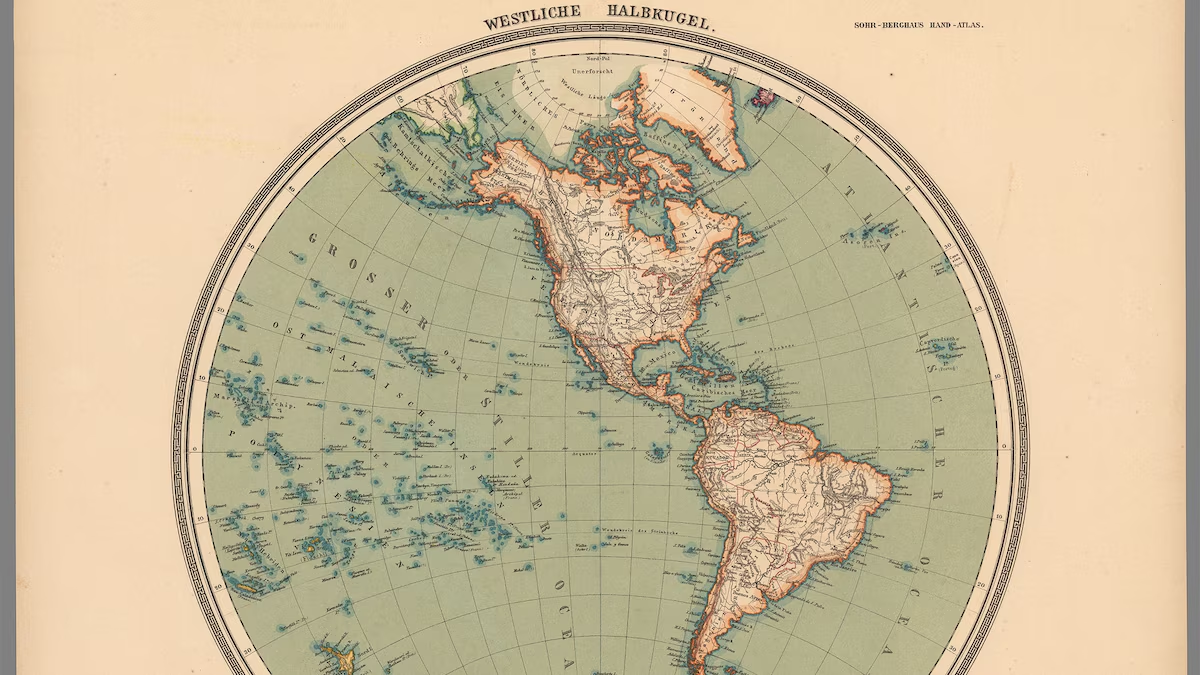
One of the most enduring myths is that people in the Middle Ages believed the Earth was flat. In reality, educated Europeans had known the Earth was spherical since antiquity. Ancient Greek scholars calculated its circumference with remarkable accuracy. Medieval universities taught a round Earth as standard knowledge. The flat Earth myth was popularized centuries later to portray the past as ignorant and to elevate modernity as uniquely enlightened.

Another lie still taught is that Christopher Columbus “discovered” America. Indigenous civilizations had lived across the Americas for thousands of years before his arrival. Even within Europe, Norse explorers reached North America centuries earlier. Columbus did not discover a new world. He initiated a brutal chapter of colonization that reshaped continents through conquest, disease, and forced labor. Calling it discovery reframes violence as curiosity.

We are also taught that the fall of the Roman Empire was sudden, dramatic, and absolute. In truth, Rome did not collapse overnight. It transformed slowly over centuries. Laws, culture, and infrastructure continued in various forms long after emperors vanished. The idea of a sudden fall simplifies a complex transition into a convenient ending.

The idea that ancient people were primitive is another misconception. Civilizations across the world developed advanced engineering, medicine, astronomy, and mathematics long before modern technology. Some ancient surgical techniques rivaled 19th century practices. Complex water systems, urban planning, and scientific observation existed without electricity or machines. What we often mistake for primitiveness is simply difference.
Vikings are still commonly imagined wearing horned helmets. No archaeological evidence supports this. The image was invented in the 19th century for opera costumes and later absorbed into popular culture. Real Viking gear was practical, efficient, and far less theatrical than modern portrayals suggest.

Another widely believed distortion is that medieval people never bathed and lived in constant filth. While sanitation standards varied, public baths, hygiene rituals, and grooming were common in many regions. The idea of a permanently dirty past often says more about later eras projecting superiority than about historical reality.

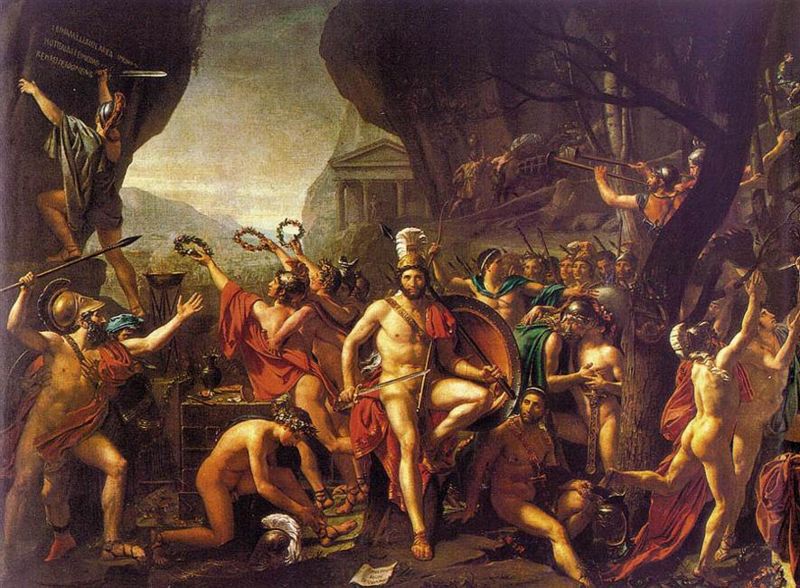
Even the invention of democracy is simplified. It is often taught as a clean gift from ancient Greece to the modern world. In reality, early democracy excluded women, slaves, foreigners, and the poor. It was revolutionary, but incomplete. Treating it as a finished moral achievement hides centuries of struggle and exclusion that followed.

Why do these myths survive. Because they serve stories of progress, identity, and power. Simplified history is easier to teach, easier to remember, and easier to use. Complexity challenges authority. Nuance disrupts pride.

The danger is not simply that these stories are wrong. It is that they shape how societies see themselves. When history becomes mythology, it stops teaching and starts comforting.

Revisiting these lies does not weaken history. It strengthens it. A past filled with mistakes, contradictions, and forgotten brilliance is far more interesting than a polished legend.

History is not a lesson meant to be memorized. It is an investigation meant to be questioned. And sometimes, the most important thing to learn is that what felt certain was never the full story.

LEAVE A REPLY

Please enter your comment!
Please enter your name here

Must Read

Beowulf: Heroism in the Shadow of Loss

Beowulf is one of the earliest surviving works of European literature, composed in Old English more than a thousand years ago, yet it speaks...

Everything You Were Taught Might Be Wrong – History’s Biggest Lies We Still Believe

History, as most of us learned it, arrived neatly packaged. Dates memorized. Heroes polished. Villains simplified. The problem is not that history was taught....

Georgia O’Keeffe – The Artist Who Taught the World How to Look Closer

Georgia O’Keeffe did not paint what she was told to paint. She painted what demanded her attention. Born in 1887 in Wisconsin, O’Keeffe became one...

Side by Side Through Time: The Best Songs About Friendship

Friendship is one of the most enduring forms of love, quieter than romance, steadier than passion, and often more resilient than family ties. It...

When History Described Monsters as Facts

At What Point Did We Decide the Witnesses Were Wrong? There was a time when monsters were not stories. They were reports. Medieval manuscripts, sailors’ logs,...
Free Download WordPress Themes
Download Best WordPress Themes Free Download
Download Premium WordPress Themes Free
download udemy paid course for free
download coolpad firmware
Free Download WordPress Themes
lynda course free download