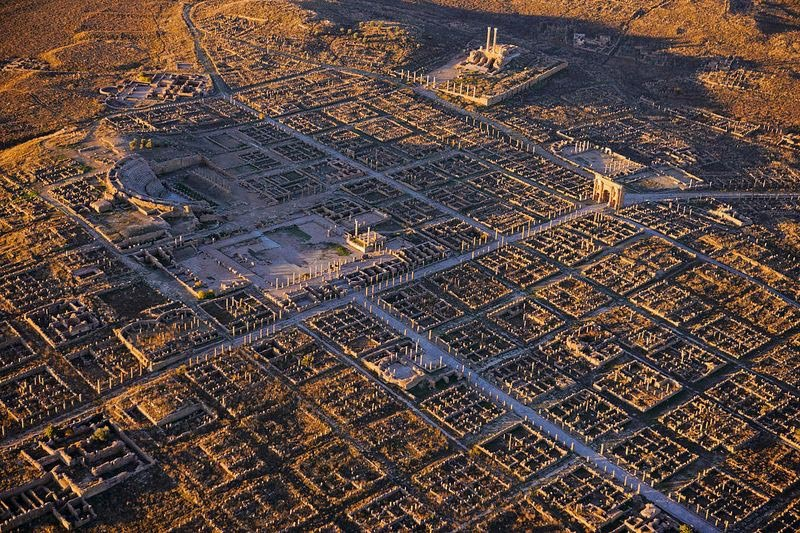

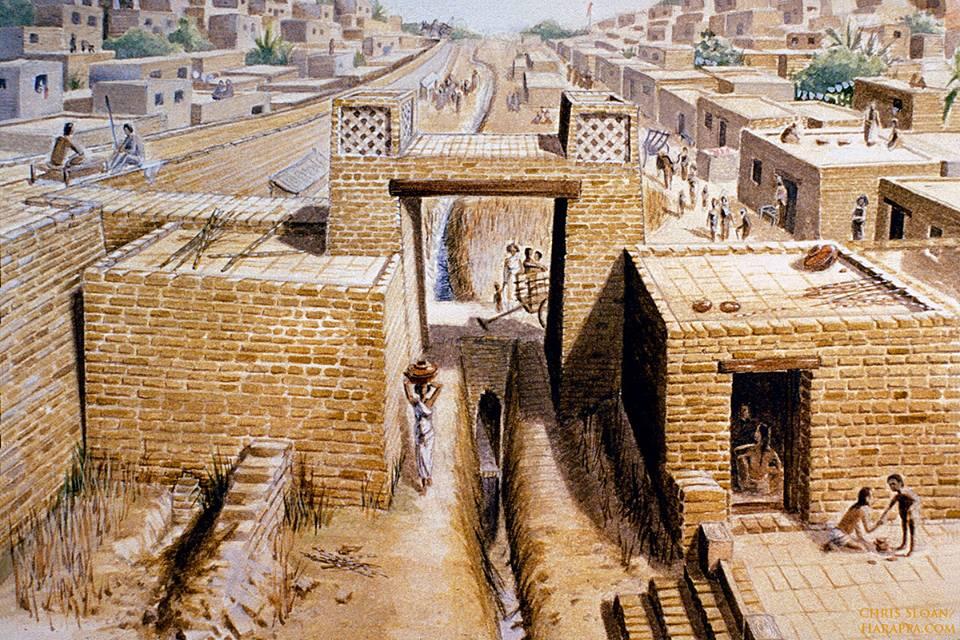
At the height of its power, the Indus Valley Civilization was one of the most advanced societies on Earth. It spanned modern-day Pakistan and northwest India, rivaling Egypt and Mesopotamia in scale and sophistication. Its cities were meticulously planned, its sanitation unmatched for millennia, and its trade networks vast.
And then it faded.
No grand invasion story.
No definitive catastrophe.
No clear explanation.
Just silence.
A Civilization Built on Order
Around 2600 BCE, cities like Mohenjo-daro and Harappa emerged with astonishing precision. Streets ran in grids. Homes were built with standardized bricks. Nearly every house had access to clean water and drainage systems that modern cities wouldn’t match until the 19th century.
This was not accidental progress.
It was intentional design.
Advanced Without Excess
Unlike other ancient civilizations, the Indus Valley left little evidence of extreme wealth inequality. Palaces, lavish tombs, and monumental statues are notably absent. Instead, the architecture suggests a society focused on function, health, and civic balance.
Power may have been distributed.
Or power may have been invisible.
The Mystery of the Script
One of the greatest enigmas of the Indus Valley is its undeciphered script. Thousands of inscriptions exist, stamped on seals and artifacts, yet no one has definitively translated them.
Without readable texts, their political systems, beliefs, and histories remain hidden.
A civilization without a voice.
Trade Without Conquest
Artifacts show that the Indus people traded extensively with Mesopotamia and beyond. They exported goods like beads, textiles, and possibly agricultural products. Yet there is little evidence of military expansion or aggressive conquest.
Influence traveled through exchange, not domination.
This alone sets them apart.
No Kings, No Gods on Thrones
Archaeologists have found no clear depictions of kings or ruling elites. Religious iconography exists, but it lacks the grand hierarchies seen elsewhere. If there were rulers, they ruled quietly.
Authority didn’t announce itself.
It operated subtly.
The Slow Unraveling
Around 1900 BCE, the civilization began to decline. Cities were gradually abandoned. Urban life gave way to smaller rural settlements. Trade diminished. Standards in construction loosened.
This wasn’t collapse.
It was withdrawal.
Climate, Not Catastrophe
The leading theory points to climate change. Shifting monsoon patterns and drying rivers likely disrupted agriculture and trade. The Indus people may have adapted by dispersing rather than fighting for failing cities.
They chose survival over spectacle.
Why No Dramatic Ending Exists
The absence of destruction layers suggests there was no sudden invasion or apocalypse. Instead, people left intentionally, generation by generation.
History remembers explosions.
It forgets quiet decisions.
A Civilization That Didn’t Demand Memory
The Indus Valley didn’t leave grand monuments declaring power or glory. It didn’t carve its story into stone. It didn’t seek immortality through domination.
It functioned.
Then it moved on.
What Makes the Mystery Enduring
Because the Indus Valley left no clear explanation, modern society projects onto it. Was it peaceful? Egalitarian? Bureaucratic? Spiritually complex? We don’t know.
And that uncertainty is unsettling.
We prefer stories with endings.
The Final Reflection
The Indus Valley Civilization challenges our assumptions about progress and collapse. It suggests that a society can be advanced without being loud, powerful without being brutal, and influential without being remembered properly.
They didn’t vanish in fire.
They stepped away.
And in doing so, they left behind one of history’s most haunting questions:
What if success doesn’t always need to leave a legend?