

Staying warm, preventing hypothermia, and managing power loss
Extreme cold does not announce itself loudly. It creeps in through small cracks, wet clothing, and bad decisions made while tired. Winter storms turn ordinary homes into survival environments by cutting power, blocking roads, and isolating families. Survival in these conditions is less about toughness and more about heat management, moisture control, and calm planning.
This guide focuses on what actually keeps people alive during severe winter events.
Understand the Real Dangers of Extreme Cold
Cold kills primarily through hypothermia, not frostbite. Hypothermia can begin indoors, even above freezing, when the body steadily loses heat. Power loss, wet clothing, wind, and exhaustion accelerate heat loss faster than most people realize.
The most dangerous moment is often after the storm, when people relax too early or attempt unnecessary travel.
Heat Is Life: Protect It Relentlessly
Your body produces heat constantly. Survival depends on keeping that heat from escaping.
Layer clothing properly: a dry base layer, an insulating layer, and a wind-resistant outer layer. Avoid cotton. Cotton traps moisture and steals heat. Wool and synthetic fabrics retain warmth even when damp.
Cover heat-loss zones: head, neck, hands, and feet. A hat and dry socks can make the difference between stability and collapse.
Stay dry. Wet clothing in cold conditions is an emergency. Change immediately if clothes become damp from sweat or snow.
Prevent Hypothermia Before It Starts
Hypothermia does not always feel dramatic. Early symptoms include shivering, clumsiness, confusion, and fatigue. Later stages involve slowed breathing, irrational behavior, and loss of consciousness.
To prevent it:
– Eat regularly. Calories create heat.
– Drink fluids. Dehydration worsens cold stress.
– Rest when exhausted. Fatigue lowers heat production.
– Share warmth. Body heat matters.
If someone shows signs of hypothermia, get them dry, insulated, and gradually warmed. Do not rub extremities aggressively. Sudden rewarming can be dangerous.
Managing Power Loss in Winter
A winter power outage is not an inconvenience. It is a temperature emergency.
Choose one room to heat and shelter in. Close doors, block drafts, and insulate windows with blankets or plastic. Everyone should sleep in this space if possible.
Use safe heat sources only. Never use grills, generators, or open flames indoors. Carbon monoxide kills silently. If you use a fireplace or approved heater, ensure ventilation and have a carbon monoxide detector if possible.
Dress for the temperature inside your home. Do not assume walls protect you from cold indefinitely.
Food and Hydration in Cold Conditions
Cold increases calorie needs. Warm foods help psychologically and physically.
Eat simple, energy-dense foods: soups, grains, beans, fats, and proteins. Drink warm liquids when possible, but avoid alcohol. Alcohol creates a false sense of warmth while increasing heat loss.
Melt snow for water only if necessary and purify it. Snow alone dehydrates.
Sleep Strategy During Extreme Cold
Sleep is when many cold-related injuries occur.
Insulate from the ground. Cold floors drain heat fast. Use sleeping bags, blankets, or layered clothing under and over the body.
Sleep slightly elevated if possible. Keep clothing loose to allow circulation. Never sleep in wet clothes.
Travel Only When Necessary
Winter storms turn short trips into deadly situations.
Avoid travel unless absolutely required. If you must travel:
– Tell someone your route
– Carry blankets, water, food, and a flashlight
– Stay with your vehicle if stranded
Most winter storm fatalities happen in vehicles due to exposure or carbon monoxide poisoning.
Mental Discipline Matters
Cold erodes judgment. Fatigue leads to shortcuts. Panic burns calories.
Move slowly. Think before acting. Stick to routines. Survival is about conserving heat and energy, not fighting the cold aggressively.
Prepare Before the Storm
Preparation multiplies survival odds.
Have:
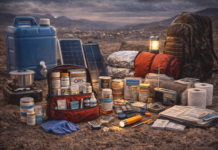
– Extra blankets and warm clothing
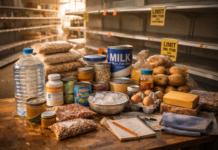
– Shelf-stable food and water
– Flashlights and batteries
– A battery-powered or hand-crank radio
– Medications and first aid supplies
Preparation reduces fear and prevents dangerous improvisation.
Final Thought
Extreme cold is not an enemy you overpower. It is a condition you manage patiently. Those who survive winter storms are not the strongest. They are the calmest, driest, and most deliberate.
Stay dry.
Stay fed.
Stay sheltered.
Stay patient.