

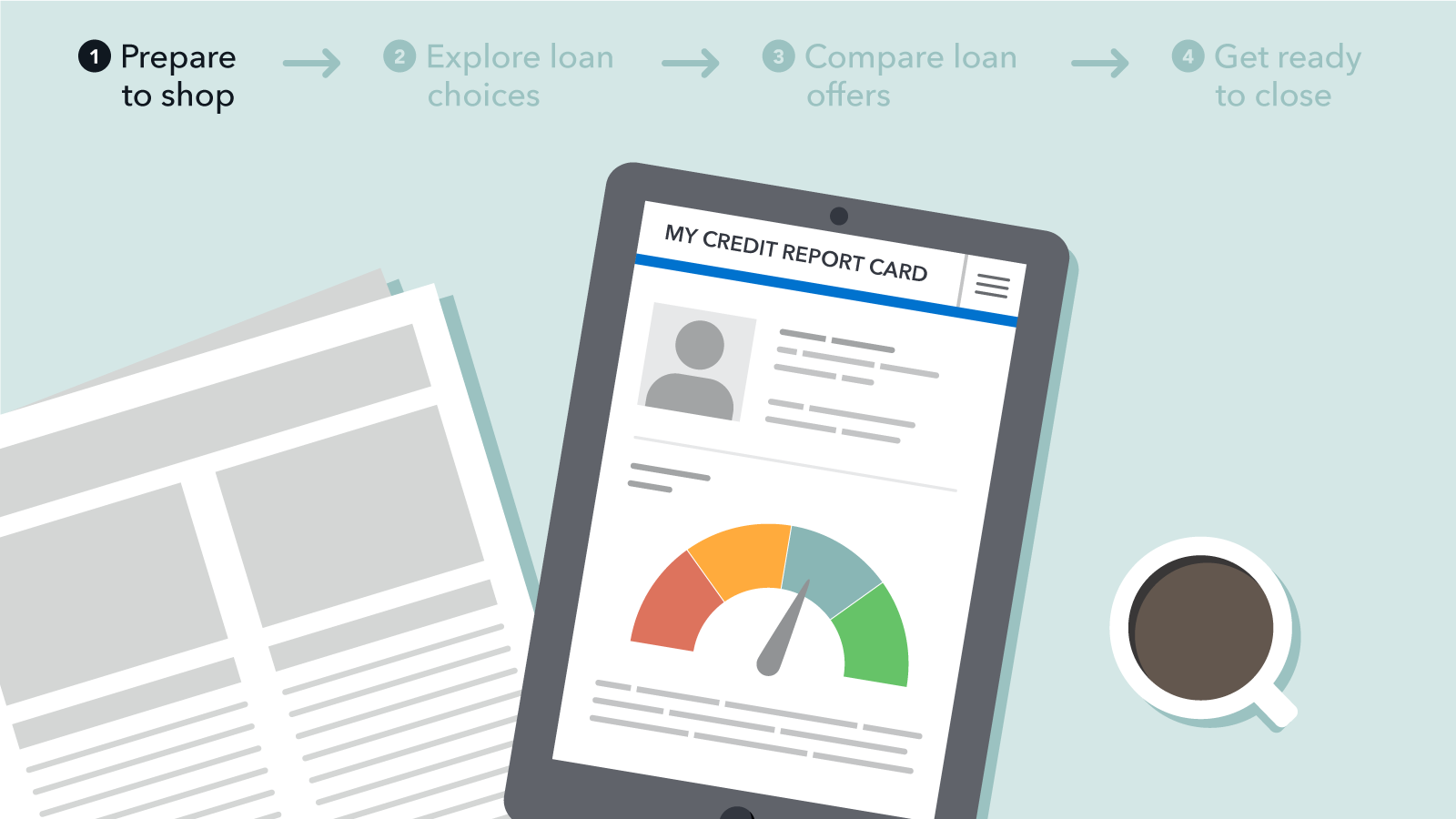
Improving your credit score isn’t about luck or secret tricks. It’s about understanding how the system actually works and using it intentionally instead of emotionally. When credit improves, options expand. Interest drops. Stress eases. And financial freedom stops feeling abstract.
The path is practical, repeatable, and within reach.
Understand what really affects your score
Credit scores are shaped by a few core factors, and not all of them carry equal weight.
Payment history matters most. Paying on time, every time, builds trust faster than anything else. Credit utilization follows closely. How much of your available credit you use often matters more than how much debt you have.
Length of credit history, credit mix, and new inquiries matter too, but they are supporting actors, not the lead.
If you focus on the big two, progress accelerates.
Lower utilization strategically
One of the fastest ways to improve a credit score is reducing utilization.
Using a high percentage of your available credit signals risk, even if you pay on time. The goal is not zero usage, but controlled usage. Keeping balances low relative to limits shows discipline and stability.
Paying balances down before statement closing dates can make a noticeable difference, sometimes within a single reporting cycle.
Timing matters as much as amount.
Never miss a payment again
Late payments damage credit quickly and linger for years.
Automation is your best defense. Set up automatic minimum payments on every account to eliminate human error. You can always pay extra manually, but automation protects your score when life gets busy.
Consistency builds credibility.
One missed payment can undo months of progress. Avoid it at all costs.
Stop reacting emotionally to debt
Many people sabotage their credit by making emotional decisions.
Closing old accounts out of frustration. Avoiding statements out of fear. Applying for multiple cards impulsively. These reactions feel relieving short-term but cost long-term.
Credit rewards calm behavior.
Keep old accounts open when possible. Review statements regularly. Apply for new credit only with intention.
Emotion drains money. Strategy builds it.
Dispute errors and clean reports
Credit reports are not perfect.
Errors happen. Incorrect balances, outdated negative marks, accounts that don’t belong to you. Reviewing reports regularly allows you to dispute inaccuracies and remove damage that shouldn’t be there.
This step doesn’t require confrontation. It requires attention.
Cleaning errors can boost scores without paying a single dollar.
Use credit, don’t avoid it
Avoiding credit entirely doesn’t build a strong score.
Responsible usage does.
Small, manageable charges paid off consistently show reliability. Credit cards become tools, not threats, when used intentionally.
The goal is not debt. It’s demonstrated control.
Think long-term, not monthly
Credit improvement is not instant, but it is predictable.
Small changes compound. On-time payments stack. Lower balances reflect month after month. Trust rebuilds gradually, then suddenly.
Financial freedom isn’t just about numbers. It’s about optionality. Better rates. Easier approvals. Less anxiety around money.
Credit is leverage. Used well, it creates space.
Redefine financial freedom
True financial freedom isn’t about perfection or wealth overnight.
It’s about stability. Choice. The ability to respond instead of react.
Improving your credit score is one of the most direct ways to regain control over your financial life. Not through sacrifice, but through understanding and consistency.
The system rewards those who learn it.
And once you do, money stops feeling like a constant obstacle and starts feeling like a tool you actually control.