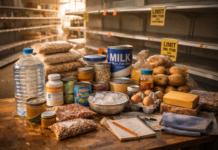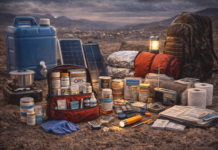


Finding, purifying, and rationing water when taps stop working.
Water is the quiet foundation of civilization. When it disappears, everything else follows. Long-term water shortages can emerge from drought, infrastructure failure, contamination, power outages, or conflict. When taps stop working for days or weeks, survival becomes a daily negotiation with scarcity.
Unlike food or electricity, water cannot be postponed. The body, hygiene, sanitation, and morale all depend on it. Surviving a prolonged water shortage is not about stockpiling alone. It is about awareness, discipline, and smart adaptation.
Understand how fast water disappears
Most people underestimate how much water they use. Drinking is only a fraction. Cooking, washing, flushing toilets, and cleaning quietly drain reserves. When supply stops, panic use can empty stored water within days.
A realistic minimum for survival is one gallon per person per day for drinking and basic hygiene. In extreme situations, half a gallon may sustain life, but at the cost of comfort, health, and mental clarity. The first rule of survival is recognizing that water is now a finite asset.
Find alternative water sources
When municipal water fails, you must think like earlier generations. Rainwater becomes a lifeline. Roof runoff, clean containers, tarps, and barrels can capture significant amounts during storms. Even light rainfall adds up over time.
Natural sources such as rivers, lakes, streams, ponds, and springs can sustain communities, but never assume they are safe. Groundwater from shallow wells, hand pumps, or seepage areas may be usable with treatment.
In urban environments, unexpected sources exist. Water heaters, toilet tanks (not bowls), pipes, and ice trays can provide emergency supplies. Condensation from air conditioners or dehumidifiers can also be collected, though it must be purified.
Purify everything
Clear water is not safe water. Long-term shortages often coincide with contamination from bacteria, parasites, chemicals, or sewage infiltration. Purification is non-negotiable.
Boiling remains the most reliable method. A rolling boil for at least one minute kills pathogens, longer at higher elevations. When fuel is limited, chemical treatment becomes essential. Unscented household bleach, iodine tablets, or chlorine drops can disinfect water when used correctly.
Filtration systems remove sediment and many organisms, but not all filters remove viruses or chemicals. Combining filtration with boiling or chemical treatment provides the highest safety.
Solar disinfection can also work. Clear plastic bottles left in direct sunlight for several hours can inactivate many pathogens. It is slow, but effective when fuel is scarce.
Ration with intention, not fear
Rationing is not about deprivation. It is about control. Measure daily usage. Assign water by priority: drinking first, cooking second, hygiene third. Cleaning and laundry become occasional tasks, not daily routines.
Reuse water whenever possible. Greywater from washing can flush toilets or clean surfaces. Avoid salty or sugary foods that increase thirst. Stay cool and limit physical exertion to reduce water loss.
Sanitation prevents disaster
Water shortages quickly turn into health crises if sanitation collapses. When toilets stop working, waste must be managed carefully. Improvised toilets must be placed far from water sources and living areas.
Hand hygiene remains critical. Even limited water, combined with soap or alcohol-based sanitizers, prevents disease spread, which often becomes more dangerous than dehydration itself.
Mental discipline matters
Thirst affects judgment, mood, and decision-making. Long-term shortages test patience and emotional stability. Establish routines, track supplies, and avoid rumor-driven panic.
Children, elderly individuals, and sick family members require special attention. They may not recognize early dehydration symptoms and need monitoring.
Think beyond survival
If shortages last months, adaptation becomes a lifestyle. Rainwater harvesting systems, water-efficient cooking, composting toilets, and community cooperation become essential.
Knowledge becomes as valuable as water itself. Teaching purification, monitoring sources, and maintaining discipline protects entire communities.
The deeper truth
Civilizations don’t collapse when water disappears. They collapse when people fail to manage it wisely. Long-term water shortages reveal what matters most: foresight, restraint, cooperation, and respect for a resource once taken for granted.
When the tap stops, every drop becomes a decision about the future.