

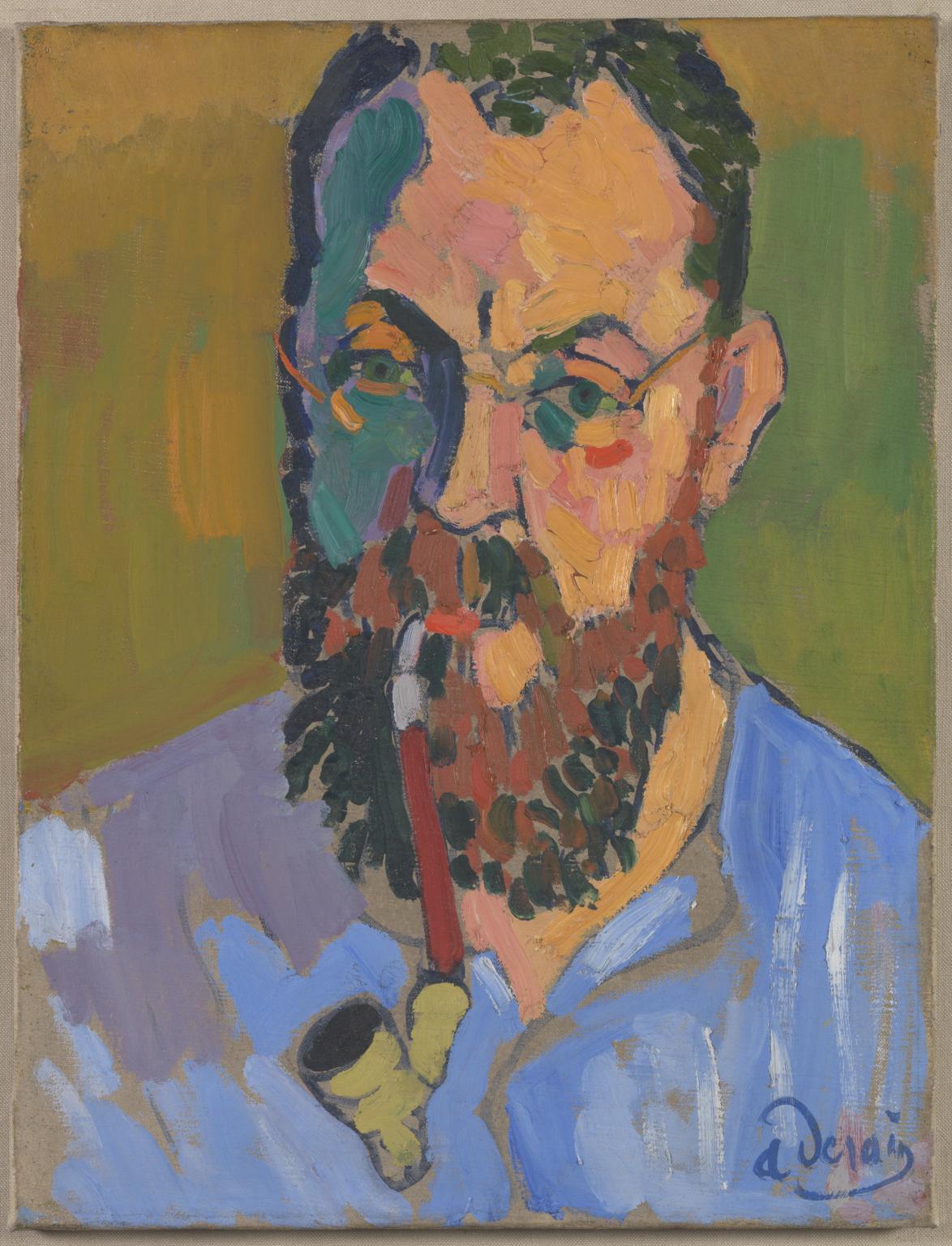
Henri Matisse did not chase reality. He reinvented it.
Born in 1869 in northern France, Matisse would become one of the most influential artists of the 20th century, not by following tradition, but by daring to simplify, intensify, and liberate color itself. Where others sought accuracy, Matisse sought feeling. Where rules demanded restraint, he answered with joy.
Matisse was a leading figure of Fauvism, a movement that shocked the art world with its wild, unrestrained use of color. Critics initially mocked the style, calling it crude and aggressive. Matisse embraced the reaction. For him, color was not decorative. It was emotional language. Red could carry heat and tension. Blue could breathe calm. Green could vibrate with life.
“I do not paint things,” Matisse once said, “I paint the difference between things.” That philosophy defined his work.
Unlike many artists driven by darkness or turmoil, Matisse searched for balance, serenity, and pleasure. He believed art should offer rest to the mind, a place of harmony in a restless world. His interiors, dancers, odalisques, and landscapes glow with rhythm and warmth, inviting the viewer not to analyze, but to feel.
Later in life, when illness limited his ability to paint, Matisse did not stop creating. Instead, he transformed his process. From his bed or wheelchair, he began working with scissors and paper, cutting bold shapes from painted sheets. These cut-outs, simple yet radical, became some of his most celebrated works. What began as limitation became liberation. Shape replaced line. Color became structure.
Matisse proved that reinvention is not a phase of youth, but a lifelong discipline.
His influence extends far beyond painting. Designers, filmmakers, choreographers, and digital artists continue to draw from his understanding of space, rhythm, and emotional clarity. In an age of overload, Matisse’s work still feels modern because it reminds us that simplicity can be powerful and that joy can be radical.
Henri Matisse left behind more than images. He left a philosophy: that art does not need to shout to be bold, and that beauty, when honest, is never shallow.
His legacy is color set free.


xnxbh3