

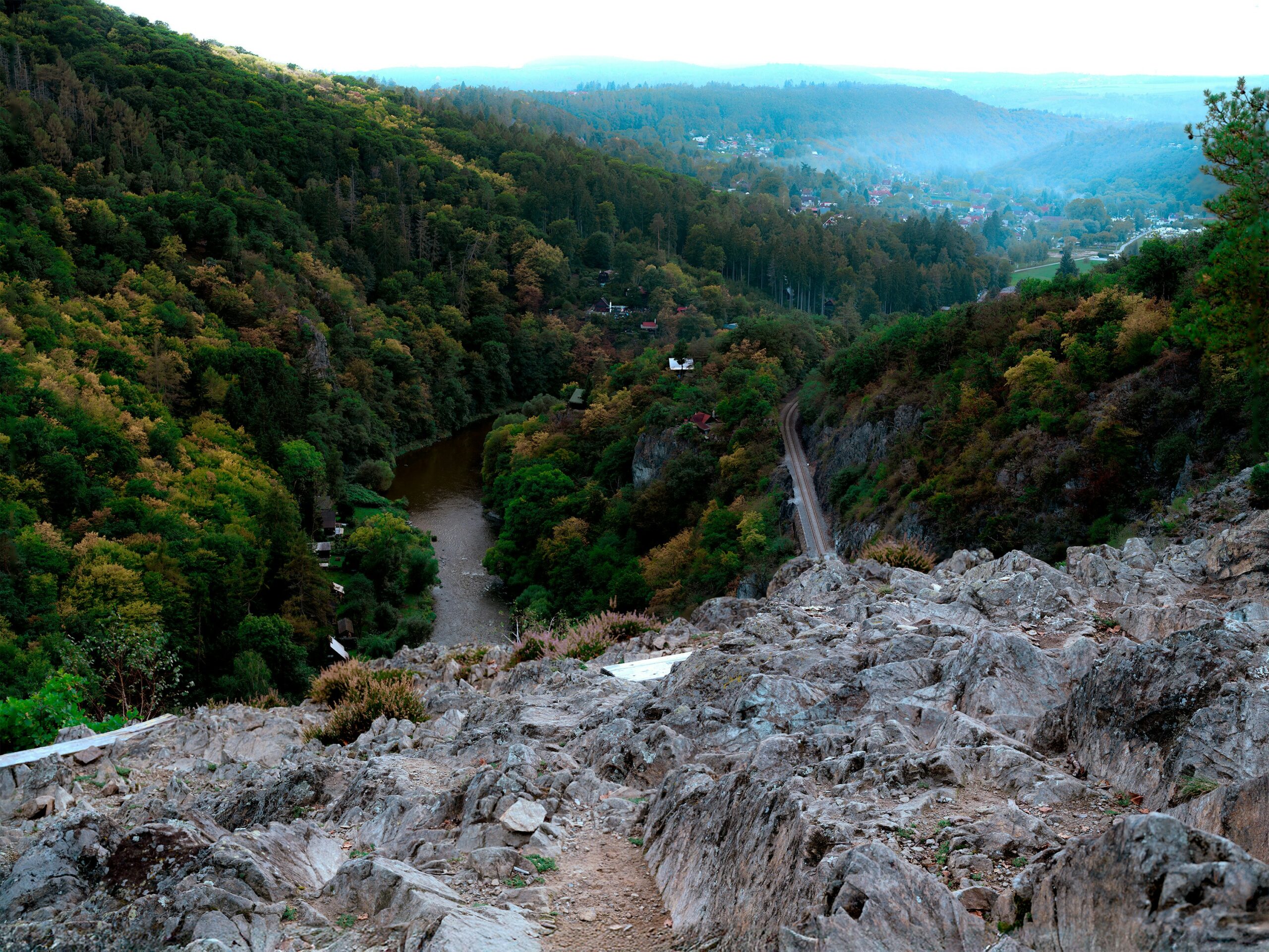
The hillside looks quiet.
Grass sways, trees lean lazily in the wind, houses rest peacefully above the valley.
Deep under that calm surface, though, gravity is always waiting.
All it needs is the right moment—and the ground itself can decide to move.
Landslides and mudslides are among the most deceptive disasters on Earth. No thunder, no glowing sky, no obvious warning to the untrained eye. Just a slope that has held for years… until it doesn’t.
What are landslides and mudslides?
At their core, both are the same story told in different materials:
gravity pulling loose earth downhill faster than it can resist.
– Landslides:
Sudden movement of rock, soil, or debris down a slope. The material can be dry, rocky, mixed, slow or fast—but it’s all about chunks of earth letting go.
– Mudslides (or debris flows):
A specific type of landslide where water saturates soil and loose material, turning it into a heavy, flowing mass of mud, rocks, and debris. It behaves more like a river of wet concrete than simple sliding dirt.
In both cases, the ground that once seemed solid turns into a moving, destructive force.
What triggers the ground to let go?
Slopes fail for many reasons, but three powerful triggers appear again and again:
-
Heavy rain
Long or intense rainfall can soak into the soil until it becomes too heavy and loses its internal strength.
– Water fills the spaces between grains of soil.
– Friction decreases.
– The slope, already under the constant pull of gravity, finally gives up.One hour of torrential rain or several days of steady drizzle can be enough to tip the balance.
-
Earthquakes
Shaking from an earthquake can loosen rocks and soil that were barely holding together.
– Cliff faces crumble.
– Steep hills crack and slip.
– Valley slopes collapse, sending landslides crashing down in seconds.In mountainous regions, a major earthquake can trigger hundreds or thousands of landslides at once, blocking roads, rivers, and access to help.
-
Volcanic activity
Volcanoes don’t just erupt upwards—they also destabilize their own flanks.
– Fresh volcanic ash and loose rock pile up steeply on the slopes.
– Rain falls on this loose material, turning it into thick mud.
– Lahars (volcanic mudflows) can rush down valleys at terrifying speeds, destroying everything in their path.
And then there is us—humans—helping gravity along:
– Cutting into slopes for roads and buildings
– Removing vegetation that held soil in place with roots
– Poorly managed drainage that concentrates water in dangerous spots
Each change can quietly weaken the hillside until a storm or tremor gives the final push.
A disaster that moves like a beast
Up close, a landslide or mudslide doesn’t feel like “just dirt.” It feels like a living mass in motion.
– Rocks the size of cars tumbling like toys
– Trees ripped out and carried along sideways
– Houses shoved off their foundations, twisted, or buried
In a debris flow or mudslide, the mixture of mud, water, boulders, and broken objects moves like a thick, roaring river. It can:
– Travel at speeds from walking pace up to highway speeds
– Slam into buildings with incredible force
– Fill valleys, bury roads, and reshape the landscape in minutes
People caught in the path often have only moments—if that—to react.
The danger you can’t always see
Not all landslides are dramatic cliffs collapsing in an instant. Some are slow, almost invisible at first:
– Cracks appearing in walls or roads
– Doors and windows sticking in their frames
– Trees tilting slowly downhill
– Fences bending and shifting over time
These can be signs of a slope slowly creeping, weakening, preparing for a more sudden failure.
On the other hand, some landslides and mudslides give almost no warning at all. A hillside that seemed perfectly fine in the morning can be racing downhill by the afternoon after enough rain or shaking.
Why some places are more at risk
Landslides and mudslides can happen anywhere there are slopes, but certain conditions make them more likely:
– Steep terrain, especially mountainous or hilly regions
– Loose or heavily weathered rock and soil
– Areas that have recently burned in wildfires (without roots and vegetation, slopes become unstable)
– Regions with heavy seasonal rains or monsoon patterns
– Places of intense road-cutting, deforestation, or uncontrolled construction on slopes
In many parts of the world, expanding towns and villages are pushing into exactly these high-risk zones—often because flatter, safer land is already occupied or too expensive.
The aftermath: not just mud
Once the movement stops, the destruction remains:
– Homes buried or crushed
– Roads and bridges blocked or destroyed
– Rivers dammed by debris, creating temporary lakes that can burst and cause downstream flooding
– Farmland buried under layers of rock and mud
Rescue is difficult because:
– Debris is heavy and unstable
– Roads are cut off
– The slope may still be moving or at risk of further collapse
For survivors, the emotional shock can be immense. The very ground they trusted has betrayed them.
Can we see landslides coming?
Absolute prediction is difficult, but risk can be understood—and that makes a huge difference.
Scientists and engineers study:
– Slope shape and steepness
– Types of rock and soil
– Rainfall patterns and intensity
– Earthquake history
– Groundwater and drainage paths
– Signs of slow movement (ground cracks, shifting structures, leaning trees)
Tools include:
– Field surveys and mapping of past landslides
– Satellite and drone imagery to identify unstable slopes
– Instruments that measure slight ground movements and changes in water pressure in the soil
In some high-risk areas, early-warning systems can alert residents if:
– Rainfall passes critical thresholds
– Monitors detect accelerating ground movement
These warnings don’t stop the landslide—but they can give people precious time to evacuate.
Living smarter on unstable ground
Completely avoiding landslide and mudslide risk is not always possible, but we can greatly reduce the danger.
Key strategies include:
– Avoiding construction on the most unstable slopes and in known slide paths
– Planting and preserving deep-rooted vegetation that helps hold soil in place
– Proper drainage systems to direct water safely away from vulnerable slopes
– Reinforcing certain slopes with retaining structures, when appropriate
– Restricting heavy loads or uncontrolled excavation on or below steep hillsides
On a personal level, awareness saves lives:
– Knowing if your home or community is in a landslide-prone area
– Learning the warning signs: new cracks in the ground or foundations, unusual bulges in the ground, doors and windows suddenly jamming, leaning poles or trees
– Having an evacuation plan, especially in heavy rain or after strong earthquakes
The story the hillsides tell
Landslides and mudslides are not just random acts of destruction. They are the hillsides telling us their limits, sometimes after we’ve ignored them for too long.
They remind us that:
– Gravity is patient but relentless.
– Water, over time, can unmake mountains.
– The “solid ground” we trust is often more fragile than we think.
Yet they also show how landscapes renew themselves:
– Slopes fail, valleys fill, new ground forms.
– Vegetation returns, roots dig in, and stability slowly rebuilds—until the next great test.
In the long history of the Earth, landslides have carved cliffs, shaped valleys, and shifted entire mountainsides. We are the ones who decided to build homes, roads, and lives in their path.
Understanding that choice—and its risks—is the first step to ensuring that the next time the hillside moves, fewer lives are buried in the story it writes.
Photo by Mikhail Mamaev on Unsplash