

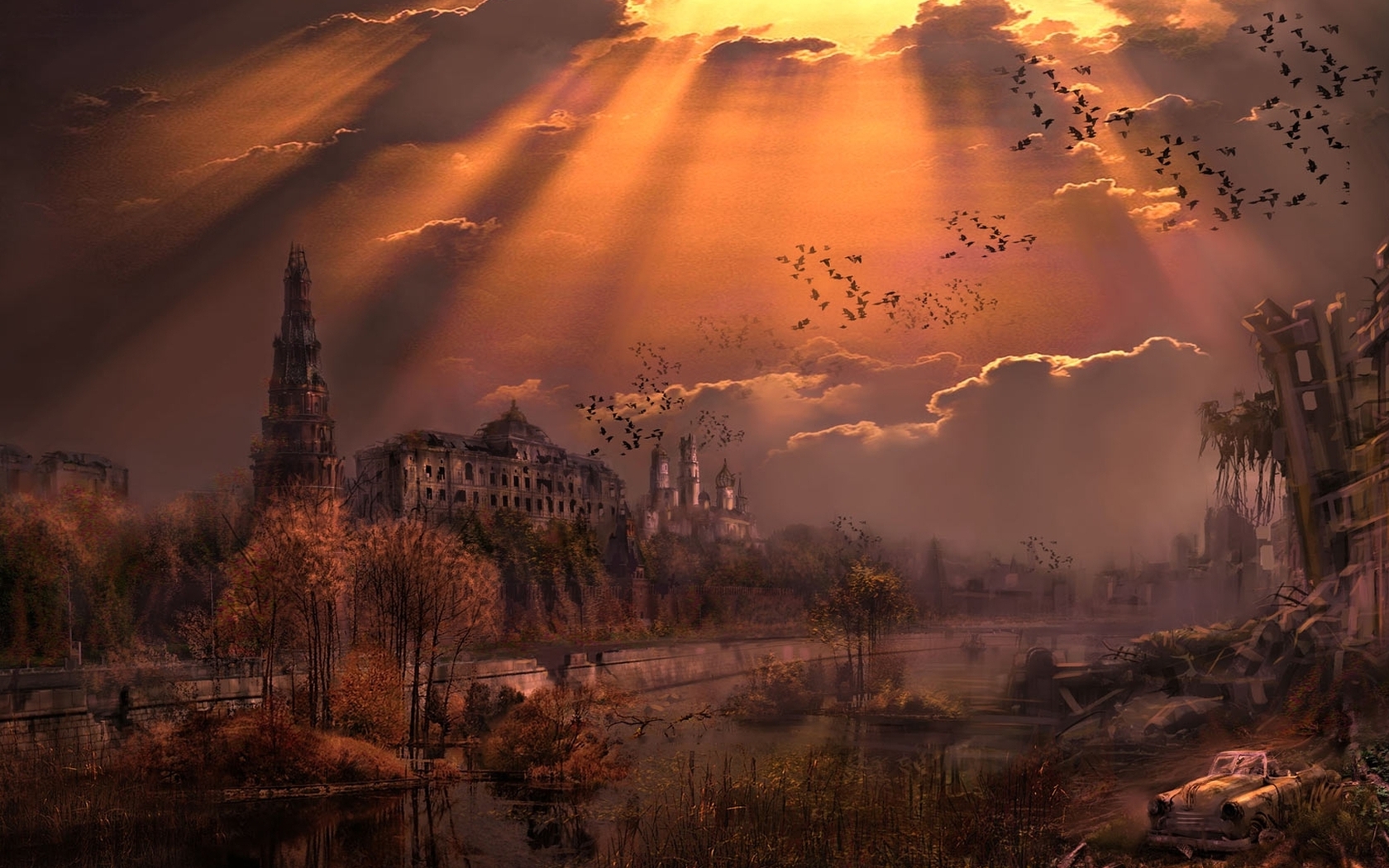
Collapsed societies are often treated like curiosities. Ruins to photograph. Civilizations to romanticize. Stories that feel distant, dramatic, and safely sealed in the past.
They shouldn’t be.
Collapsed societies are not warnings carved in stone for archaeologists alone. They are unfinished conversations about human behavior, power, denial, and limits. And ignoring them is one of the most reliable ways to repeat them.
Collapse Is Rarely Sudden
One of the most dangerous myths is that civilizations fall overnight. They don’t.
They unravel slowly. Systems weaken. Trust erodes. Inequality grows. Resources strain. Leaders reassure. People adapt. Normal continues.
Until it doesn’t.
By the time collapse becomes visible, it has already been underway for generations. Learning from fallen societies teaches us to recognize early signals instead of waiting for dramatic endings.
Collapse Often Begins With Success
Many societies collapse not because they were primitive or weak, but because they were highly advanced for their time.
They mastered agriculture, trade, engineering, or governance. That success allowed population growth, expansion, and complexity. Complexity brought fragility.
Systems optimized for growth struggle to adapt when conditions change.
The lesson is uncomfortable: progress does not immunize against failure. It can accelerate it.
Denial Is a Common Thread
Across collapsed societies, one pattern repeats relentlessly: denial.
Elites resist change because it threatens power. Institutions protect themselves instead of reality. Warnings are dismissed as exaggeration or disloyalty. Adjustments are delayed because they are unpopular.
Collapse is rarely caused by a lack of information. It is caused by refusal to act on it.
Studying past societies shows how rational people maintain destructive systems long after the damage is visible.
People Don’t Change Overnight
When societies collapse, people do not suddenly become cruel or irrational. They behave as they always have, just under increasing pressure.
Scarcity sharpens division. Fear amplifies blame. Cooperation narrows to smaller circles. Moral flexibility increases when survival feels threatened.
These behaviors are not ancient flaws. They are human ones.
Understanding this removes the illusion that “we would do better.” It replaces it with a harder truth: we would likely do the same without conscious effort to resist it.
Collapse Is Also Adaptation
Not every collapse is total annihilation. Many societies reorganized, transformed, or migrated. People adjusted to new realities long after institutions failed.
Studying collapse reveals resilience as much as failure.
What survived?
What adapted?
What was let go?
These answers matter as much as what went wrong.
They show that collapse is not the end of people. It is the end of certain ways of organizing life.
Why This Knowledge Matters Now
Learning from collapsed societies is not pessimism. It is preparedness.
It teaches humility in the face of complexity.
It sharpens awareness of long-term consequences.
It challenges the belief that modern systems are uniquely stable.
Most importantly, it reframes the present as a moment of choice rather than inevitability.
The Warning Beneath the Ruins
Collapsed societies are not accusing us. They are instructing us.
They remind us that no system is permanent. That adaptability matters more than strength. That listening early costs less than repairing late.
They ask us to notice what we normalize.
To question what feels inevitable.
To examine what we defend out of habit rather than reason.
The ruins are not silent.
They are saying: pay attention now, while you still can.
Learning from collapsed societies does not mean fearing the future.
It means refusing to be surprised by it.
And that may be the most responsible inheritance history offers us.