
Ancient myths are often treated like decorative leftovers from a less informed age. Entertaining stories. Moral fables. Primitive attempts to explain lightning, seasons, or death.
That reading misses their real function.
Myths were never meant to compete with science.
They were meant to guide the human mind through realities science doesn’t address.
Ancient myths are not fairy tales.
They are psychological maps.
Myths Encode Inner Experience
Long before psychology existed as a discipline, myths explored fear, desire, guilt, transformation, power, and loss. They gave structure to experiences that were universal but difficult to explain.
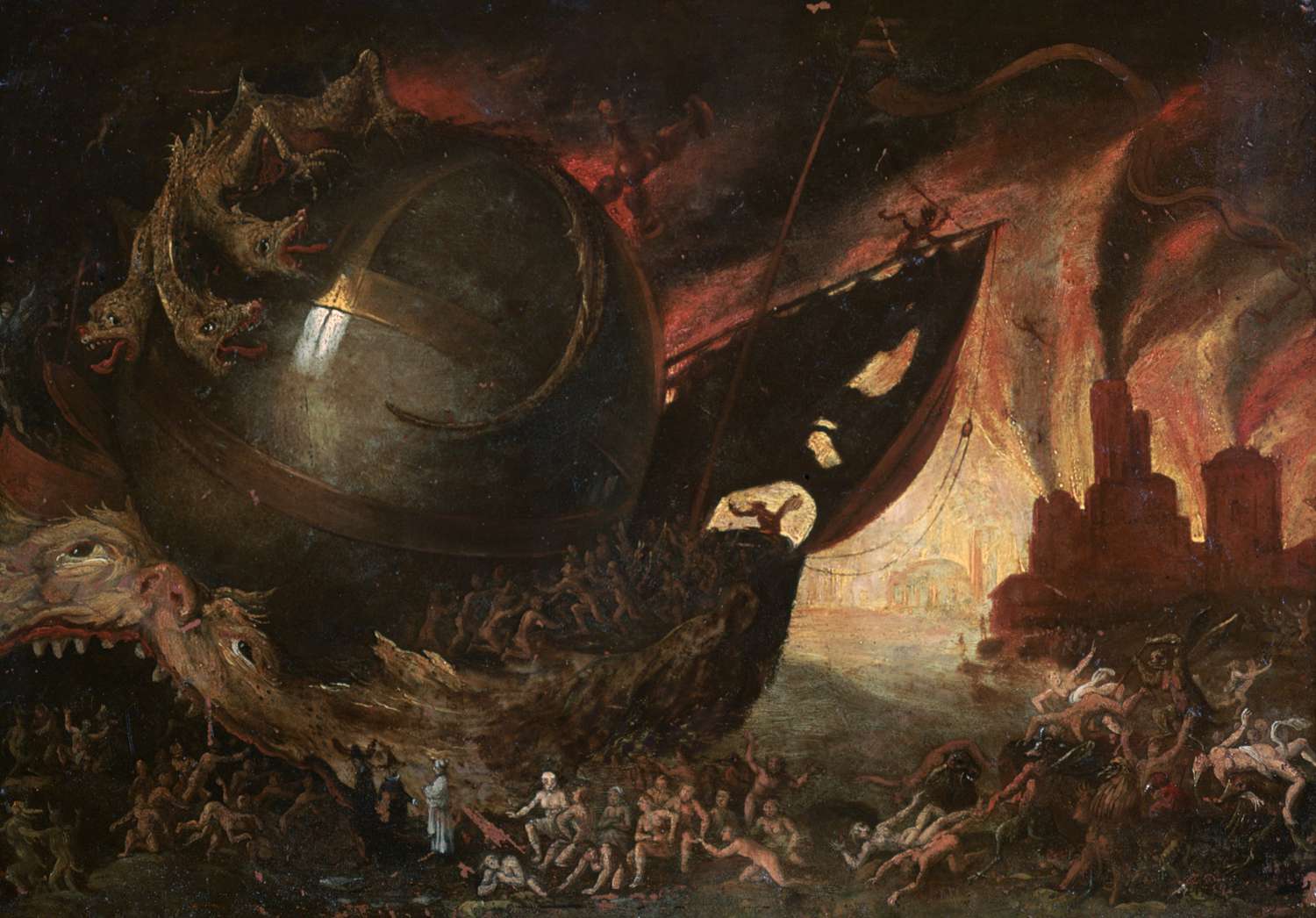
Monsters weren’t just creatures.
They were chaos, trauma, or the unknown.
Gods weren’t just beings.
They were forces, instincts, and ideals.
Journeys weren’t just travel.
They were transitions between inner states.
Myths translated internal experience into story so it could be shared, remembered, and survived.
Archetypes Are Repeating Patterns, Not Characters
Heroes, tricksters, mothers, tyrants, wanderers, and shadows appear across cultures not because people copied each other, but because they were mapping the same psychological terrain.
These figures represent recurring roles within the human psyche.
The hero confronts fear.
The tyrant embodies unchecked ego.
The trickster disrupts rigid thinking.
The descent into the underworld mirrors depression, grief, or identity collapse.
When myths are read literally, they seem absurd.
When read symbolically, they feel uncomfortably familiar.
Myths Teach Navigation, Not Morality
Modern readers often look for moral lessons in myths and come away confused or disturbed. Heroes fail. Gods behave cruelly. Justice is inconsistent.
That’s because myths aren’t instruction manuals for good behavior. They are field guides for reality.
They show consequences, not commandments.
They illustrate patterns, not rules.
A myth doesn’t say, “Do this.”
It says, “This is what happens.”
That distinction matters.
The Underworld Is a Psychological Space
Across mythologies, descent stories appear again and again. Orpheus. Inanna. Persephone. Odysseus. Psyche.
These journeys aren’t about geography. They’re about confrontation with what has been repressed, feared, or avoided.
The underworld represents breakdown. Loss of identity. Disorientation. Grief. Depression.
The lesson isn’t that descent should be avoided.
It’s that descent is sometimes necessary for transformation.
Modern culture avoids these states. Myths normalize them.
Symbols Speak Where Logic Fails
Myths operate through symbol because symbol bypasses resistance. You don’t argue with a dragon. You feel it.
Symbolic language reaches parts of the mind that rational explanation cannot. This is why myths remain powerful even when their literal truth is rejected.
You don’t need to believe in gods to understand jealousy.
You don’t need to believe in monsters to understand fear.
Myths speak the language of the unconscious.
Why Reducing Myths to Fairy Tales Is Dangerous
When myths are dismissed as childish, we lose tools for self-understanding. We replace symbolic wisdom with shallow optimism or rigid rationalism.
Life becomes either magical thinking or sterile logic.
Neither prepares us for grief, failure, temptation, or moral ambiguity.
Myths hold complexity without resolving it. That’s their strength.
They don’t promise happy endings.
They promise orientation.
Reading Myths Changes How You See Yourself
When myths are read psychologically, they stop being about ancient people and start being about you.
Which role are you inhabiting right now?
What dragon are you avoiding?
What descent are you resisting?
What transformation is being demanded?
The myth doesn’t answer these questions for you.
It gives you a framework to ask them honestly.
That’s not entertainment.
That’s navigation.
Ancient Wisdom for Modern Minds
Ancient myths survived because they worked. Not as explanations of the world, but as tools for living inside it.
They helped people endure chaos, accept limits, and make meaning from suffering long before modern language existed for these processes.
When read as fairy tales, myths feel irrelevant.
When read as psychological maps, they feel unsettlingly current.
They remind us that the human mind hasn’t changed nearly as much as our technology.
And that the terrain we’re navigating today was charted long ago.
Not with equations.
But with stories that knew exactly where we would get lost.