
They played heroes, lovers, comedians, dreamers. They memorized lines, hit their marks, and gave the world moments that felt alive. Yet for some actors, the applause faded into a silence that became unbearable.
This is not a list meant to shock. It is a remembrance, and a reminder that visibility does not equal safety, and talent does not protect the mind.
Robin Williams
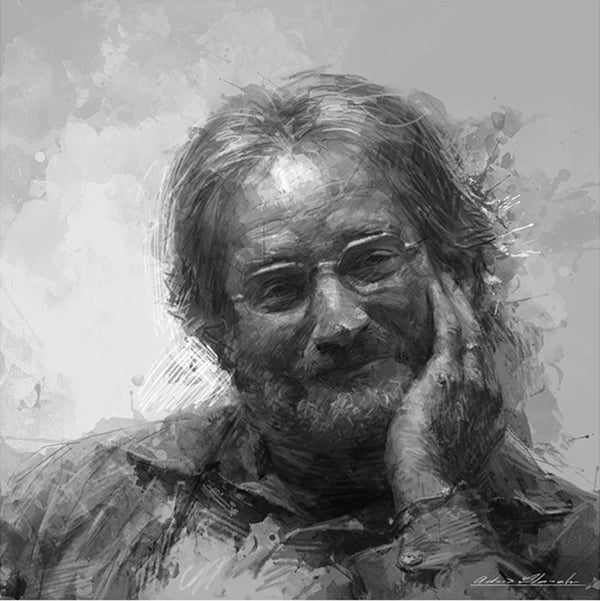
Robin Williams was known for rapid-fire humor and boundless warmth, a performer who seemed powered by joy itself. Privately, he lived with depression and later a severe neurological illness, Lewy body dementia, which intensified anxiety, confusion, and despair. In 2014, he died by suicide. His death reframed how many people understand mental illness, especially in those who make others laugh for a living.
Marilyn Monroe
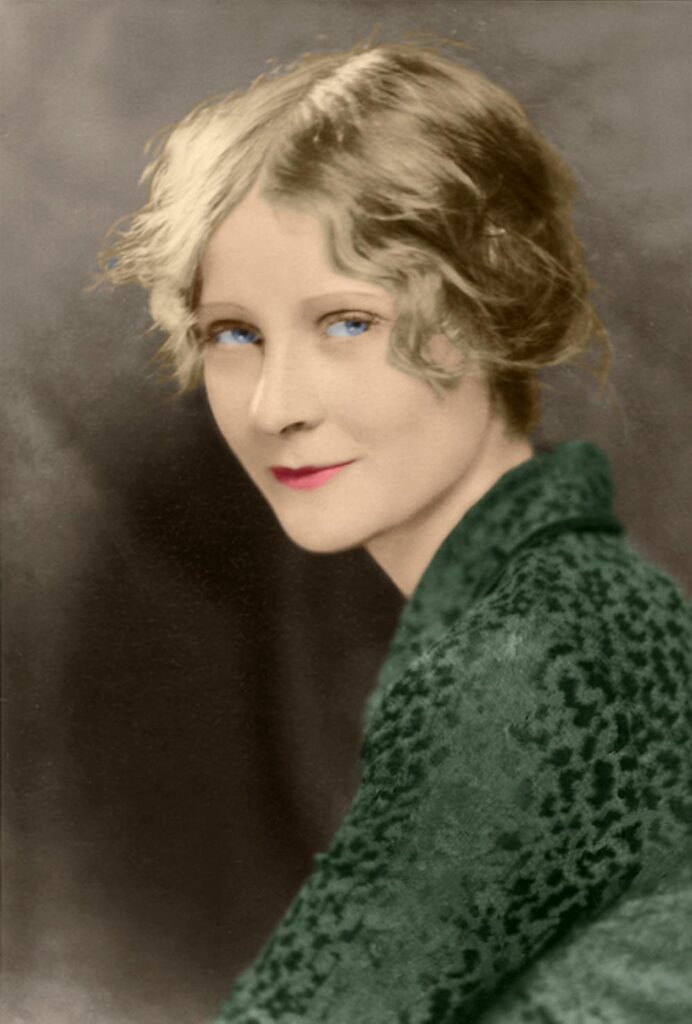
Marilyn Monroe became an icon of beauty and fame, yet her life was marked by childhood trauma, exploitation, and chronic loneliness. Her death in 1962 was ruled a probable suicide due to barbiturate overdose. Monroe’s story is often mythologized, but beneath the legend was a woman struggling to feel safe, stable, and loved in an industry that rarely allowed her rest.
Peg Entwistle
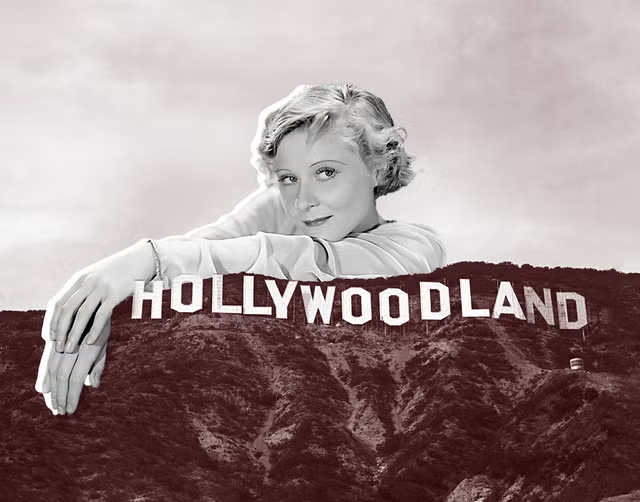
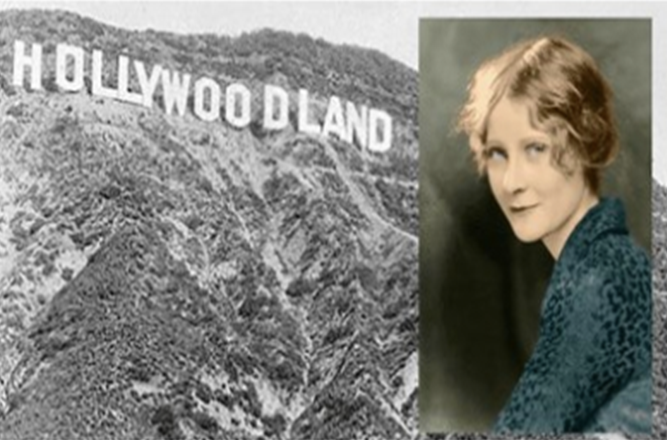
Peg Entwistle’s name is less famous, but her story is etched into Hollywood history. In 1932, after struggling to find work and feeling discarded by the film industry, she died by suicide by jumping from the Hollywoodland sign, now known as the Hollywood Sign. She was 24. Her death exposed the brutal gap between Hollywood dreams and Hollywood reality.
George Sanders
Known for his sharp wit and elegant cynicism, George Sanders enjoyed a long career in film. In later life, he spoke openly about depression and disillusionment. In 1972, he died by suicide, leaving a note that expressed exhaustion rather than drama. His words reflected a quiet truth: despair does not always look chaotic. Sometimes it looks calm and final.
Lee Thompson Young
Best known for roles in television and film, Lee Thompson Young was respected, talented, and private. In 2013, at age 29, he died by suicide after long struggles with depression. His death shocked colleagues who described him as kind, disciplined, and deeply thoughtful, another reminder that suffering often hides behind professionalism.
What these stories share is not fame, but isolation.
Acting requires emotional exposure, yet often discourages emotional honesty off-screen. Careers are unstable. Identity becomes entangled with public approval. Vulnerability is applauded in performances but discouraged in life.
Suicide is rarely about a single failure or moment. It is usually the accumulation of untreated pain, pressure, and silence.
Remembering these actors matters not because of how they died, but because their lives challenge a dangerous myth: that success heals everything.
If this topic feels close to home, help is available. Reaching out can interrupt a moment that feels endless.
In the United States, you can call or text 988 for the Suicide and Crisis Lifeline.
If you are outside the U.S., local crisis services and mental health professionals are available worldwide.
The roles they played still live on.
Their struggles remind us to look beyond the performance, and to treat mental health with the same seriousness as any visible illness.
If you’d like, I can also write a companion piece about actors who survived suicidal crises and later spoke openly about recovery and support.