

Training for a marathon is not about proving toughness. It’s about building trust with your body, mile by mile, until 26.2 stops feeling impossible and starts feeling earned.
People imagine marathon training as heroic suffering. In reality, it’s quiet discipline, smart recovery, and patience repeated over weeks. Those who cross the finish line strong aren’t the most aggressive runners. They’re the most consistent ones.
Start with a base, not ambition
The biggest mistake new marathoners make is starting with excitement instead of readiness.
Before marathon-specific training begins, your body needs a solid running base. That means comfortably running three to four times a week and handling shorter long runs without exhaustion. This phase protects joints, tendons, and motivation.
Speed comes later. Distance comes gradually. Strength comes first.
Follow a structure, not impulse
A marathon plan works because it balances stress and recovery.
Most weeks include easy runs, one longer run, and one workout that challenges pace or endurance. Easy runs should feel conversational. Long runs build stamina, not speed. Hard days are purposeful, not frequent.
If every run feels hard, the plan is failing you.
The body adapts during recovery, not during effort.
Long runs are about confidence
Long runs are the backbone of marathon training, but they aren’t meant to be dramatic.
They teach your body how to burn fuel efficiently, your mind how to stay calm under fatigue, and your legs how to keep moving when comfort disappears.
They are not races. Finishing them feeling controlled is more important than finishing fast.
Confidence built slowly lasts on race day.
Fuel early, fuel often
Marathon training exposes one truth quickly: you cannot outrun poor fueling.
Your body needs carbohydrates, fluids, and electrolytes before fatigue turns into failure. Practice race-day nutrition during long runs. Learn what your stomach tolerates. Eat before you’re hungry. Drink before you’re thirsty.
Fueling is not weakness. It’s strategy.
Strength and mobility are non-negotiable
Running alone is not enough.
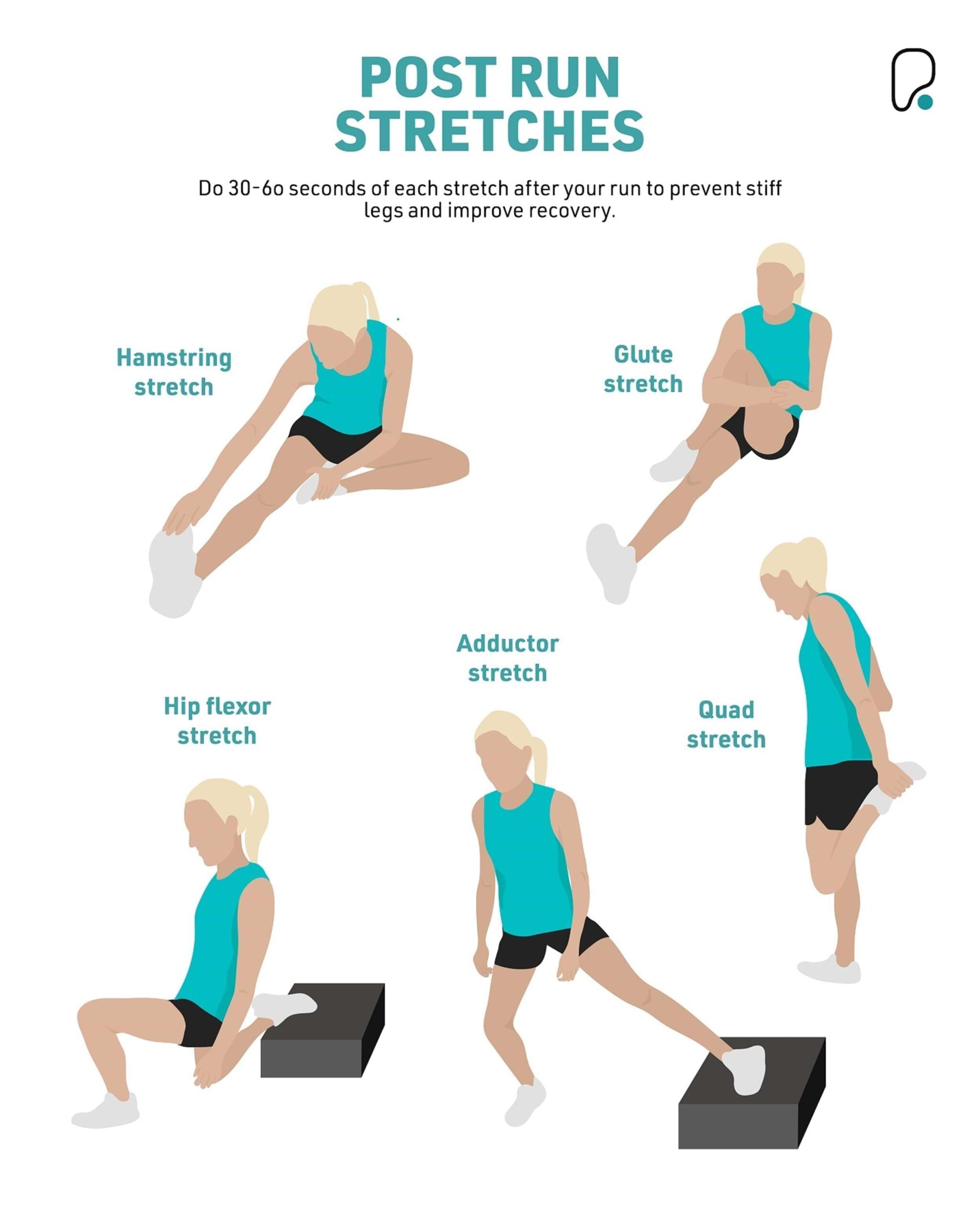
Strength training protects against injury and improves running economy. Focus on hips, glutes, core, and lower legs. Mobility keeps stride smooth and reduces tension buildup.
Two short strength sessions per week can make the difference between finishing strong and breaking down.
Sleep is training
Many runners treat sleep as optional. It’s not.
Adaptation, muscle repair, and hormonal balance happen when you rest. Cutting sleep to squeeze in more miles often backfires.
The strongest training plans respect recovery as much as effort.
Train your mind as much as your legs
Marathons are mental long before they are physical.
Training teaches you to stay steady when discomfort arrives, to manage doubt without panic, and to trust your preparation when fatigue clouds judgment.
Bad runs are part of the process. They don’t predict race day. They teach resilience.
Race day is execution, not experimentation
By the time race day arrives, nothing should be new.
You already know your pace, your fueling, your shoes, and your strategy. The goal is restraint early and commitment late.
Start slower than you want. Finish stronger than you expect.
The marathon rewards patience.
Crossing the finish line strong
Finishing strong doesn’t mean sprinting the last mile. It means finishing upright, proud, and aware that you respected the distance.
A marathon is not conquered. It’s completed through preparation, humility, and consistency.
Train smart. Recover well. Trust the process.
The finish line isn’t just a place you arrive.
It’s the result of hundreds of quiet decisions made long before race day.