

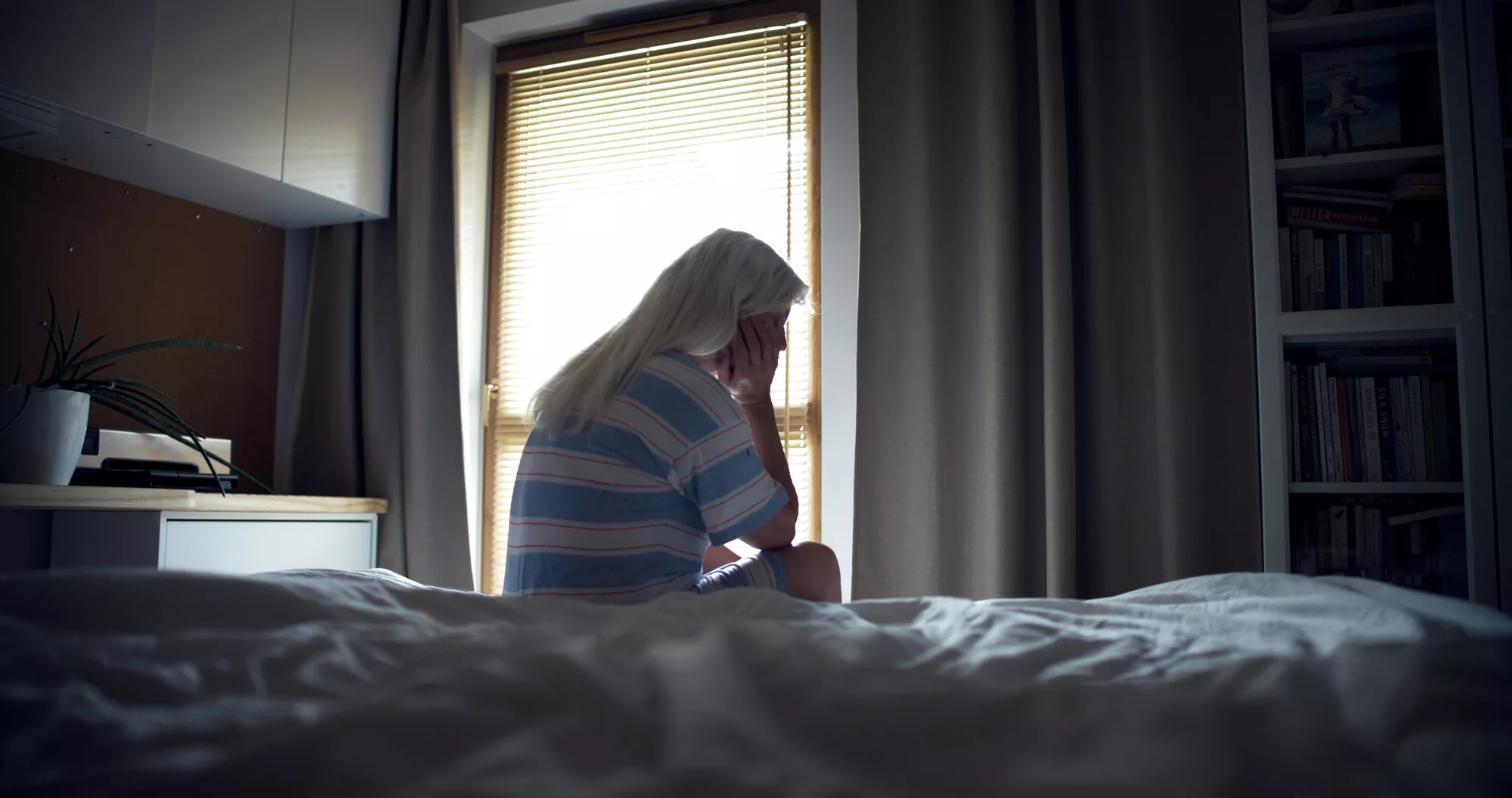
It sounds like poetry. Something said at funerals or written in old letters. A broken heart. But beneath the metaphor, there is a biological truth that medicine has learned to take very seriously.
Yes, in rare cases, a broken heart can be fatal.
Grief is not just an emotion. It is a full-body event.
When someone experiences intense emotional shock, the loss of a partner, a child, a sudden betrayal, the nervous system can surge into overdrive. Stress hormones like adrenaline and cortisol flood the bloodstream. The heart, which listens closely to chemical signals, can become overwhelmed.
There is a real medical condition often called “broken heart syndrome.” Its clinical name is stress-induced cardiomyopathy. It mimics a heart attack almost perfectly. Chest pain. Shortness of breath. Irregular heartbeat. But unlike a typical heart attack, the arteries may be clear. The damage comes from stress itself.
The heart muscle temporarily weakens, sometimes dramatically.
Most people recover within weeks. But not everyone does.
In vulnerable individuals, especially older adults or those with existing heart conditions, this sudden weakening can lead to heart failure, dangerous arrhythmias, or cardiac shock. In very severe cases, it can be deadly.
There is another layer that is quieter but just as real.
After profound loss, people often stop caring for themselves. Appetite disappears. Sleep fractures. Medications are forgotten. Isolation sets in. The immune system weakens. The body begins to shut down not out of choice, but exhaustion.
Doctors have observed what they call “the widowhood effect.” After the death of a long-term partner, the surviving spouse has a significantly higher risk of dying within the following months, especially if the bond was deep and daily life was shared closely.
The body was calibrated for togetherness, and suddenly the rhythm collapses.
Children can experience this too, though rarely in the same cardiac way. Their grief may surface as failure to thrive, weakened immunity, or sudden illness after trauma. The body mirrors the mind’s distress.
This does not mean grief always kills.
Most hearts endure. Most bodies adapt. Humans are remarkably resilient. But grief extracts a cost, and sometimes that cost is paid physically.
What protects the heart during grief is not suppression, but support.
Connection lowers stress hormones. Touch regulates the nervous system. Being seen helps the body return to balance. Grief shared is still heavy, but it does not crush the heart alone.
A broken heart is not imaginary.
It is not “just emotional.”
It is the nervous system screaming that something essential has been torn away.
And while love can wound deeply, it is also love, in the form of care, presence, and time, that allows the heart to mend.
The heart breaks because it loved.
And most of the time, it survives for the same reason.