
For years, technology followed a familiar arc. Build faster. Sell more. Replace often. Progress was measured in speed, scale, and disruption, while environmental cost remained an afterthought.
That era is ending.
A new generation of innovation is emerging, one that recognizes its own impact and accepts responsibility for repair. Technology is no longer positioning itself as separate from nature. It is learning to function within it.
From disposable to deliberate
Modern electronics were never designed to last. Short upgrade cycles, sealed components, and planned obsolescence turned innovation into waste at unprecedented scale.
Eco-friendly technology challenges this model at its core.
Designers are rethinking devices so components can be repaired, upgraded, and reused. Modular phones, replaceable batteries, and standardized parts extend lifespans and reduce resource extraction.
Durability is becoming a feature again.
Biodegradable electronics and material honesty
Perhaps the most striking development is the rise of biodegradable and bio-based electronic materials.
Researchers are developing circuit boards from cellulose, silk proteins, and plant-based polymers. Conductive inks derived from carbon and organic compounds replace toxic metals. Components are designed to safely decompose at end of life.
This does not mean technology dissolves overnight. It means its afterlife is considered from the beginning.
When devices no longer poison soil or water, innovation finally closes its ethical loop.
Energy-positive systems and regenerative design
Eco-friendly technology is shifting from efficiency to regeneration.
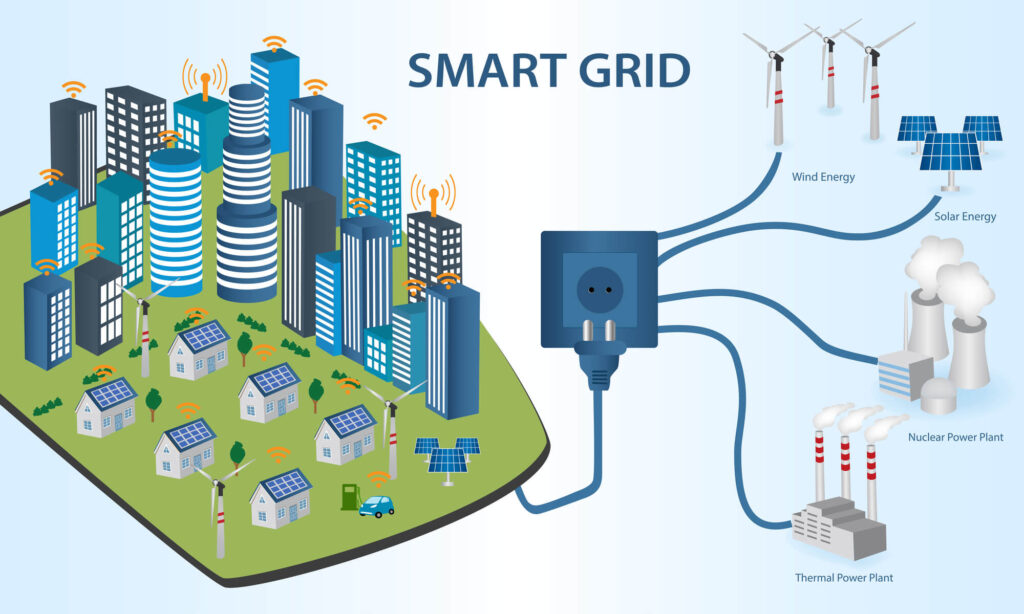
Energy-positive buildings generate more power than they consume through integrated solar systems, advanced insulation, and intelligent energy management. Excess power feeds back into grids or supports neighboring infrastructure.
This represents a philosophical leap.
Technology is no longer about minimizing damage. It is about creating net benefit.
Circular design and closed loops
Circular design redefines ownership, manufacturing, and responsibility.
Products are designed with their entire lifecycle in mind. Materials are tracked, reclaimed, and reintroduced. Waste becomes a design error to be eliminated, not managed.
In electronics, this means take-back programs, remanufacturing, and secondary markets. In software, it means reducing energy-hungry processes and extending hardware compatibility.
Circularity transforms innovation from extraction to stewardship.
Repair culture and digital empowerment
The right to repair movement has gained momentum, pushing companies to provide tools, manuals, and parts to consumers.
This shift is both practical and cultural.
Repair restores agency. It slows consumption. It reconnects users with the physical reality of technology rather than treating it as magic.
Eco-friendly tech empowers people not just to use devices, but to care for them.
The invisible impact of digital systems
Sustainability is not only about hardware. Digital infrastructure consumes enormous energy through data centers, streaming, cloud storage, and constant connectivity.
Eco-friendly technology addresses this invisibility.
Efficient coding, optimized servers, renewable-powered data centers, and reduced redundancy quietly lower digital footprints. The goal is not digital minimalism, but digital intelligence.
Technology learns when to do less.
Innovation with humility
The most important shift may be philosophical.
Eco-friendly technology no longer claims to save the world alone. It collaborates. It supports natural systems. It acknowledges limits.
Innovation is becoming quieter, slower, and more intentional. Not because creativity has diminished, but because wisdom has increased.
The future of progress
Technology once broke things to move forward. Now it is learning to repair.
The most meaningful innovations ahead will not shout disruption. They will quietly restore balance, reduce harm, and extend possibility without extraction.
Eco-friendly technology does not reject progress. It redefines it.
Because the most advanced future is not the one that consumes fastest.
It is the one that learns how to last.