
For most of modern history, houses were built in quiet opposition to nature. Walls sealed it out. Energy systems fought climate instead of adapting to it. Comfort depended on burning, cooling, and consuming more than the environment could reasonably give.
That logic is unraveling.
The homes of the future are not louder, larger, or more complex. They are smarter in a quieter way. Architecture is finally learning to cooperate with nature instead of overpowering it, and technology is acting less like a crutch and more like a translator between human needs and natural systems.
This is not a design trend. It is a correction.
From shelter to system
The next generation of homes is no longer just a place to live. It is a living system.
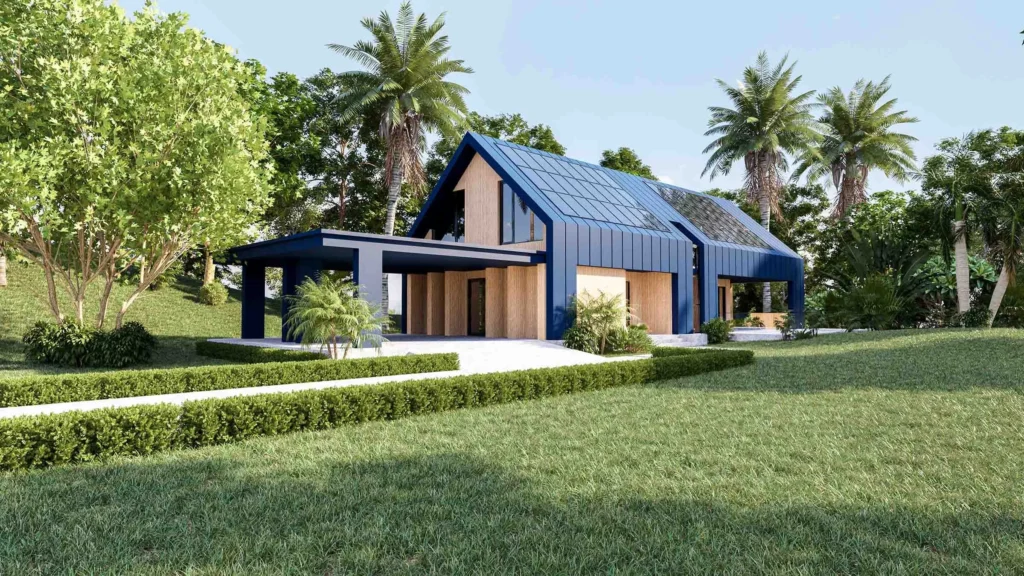
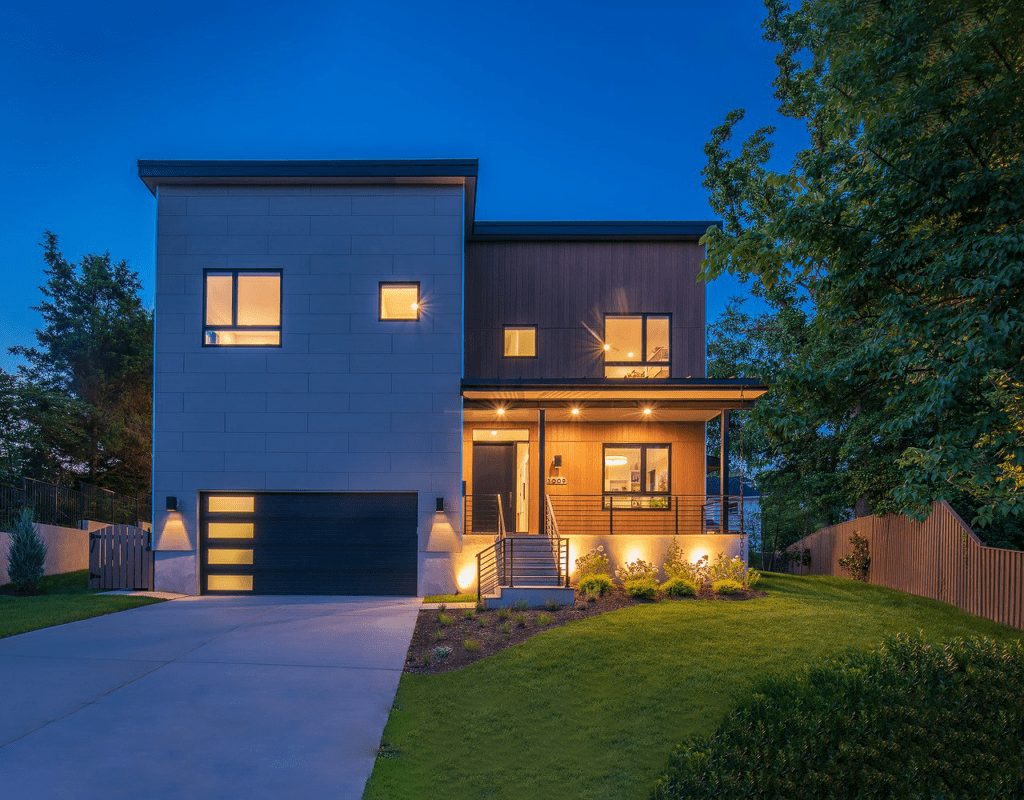
Eco-friendly architecture treats the house as an organism that breathes, adapts, and responds. Walls insulate not just for temperature but for sound and energy retention. Windows are positioned to harvest daylight rather than fight glare. Roofs collect rain, grow plants, or generate power instead of sitting idle.
The house becomes an interface between humans and their environment.
Passive houses and the intelligence of simplicity
One of the clearest examples of this shift is the rise of passive house design. These homes rely on airtight construction, superior insulation, and strategic orientation to drastically reduce energy use. Heating and cooling become secondary instead of dominant.
What makes this approach revolutionary is not complexity, but restraint.
Passive houses prove that comfort does not require excess machinery. It requires thoughtful design. When a building works with sunlight, airflow, and thermal mass, it quietly does most of the labor itself.
In a future shaped by rising energy costs and climate unpredictability, simplicity becomes a form of resilience.
Green roofs and the return of living surfaces
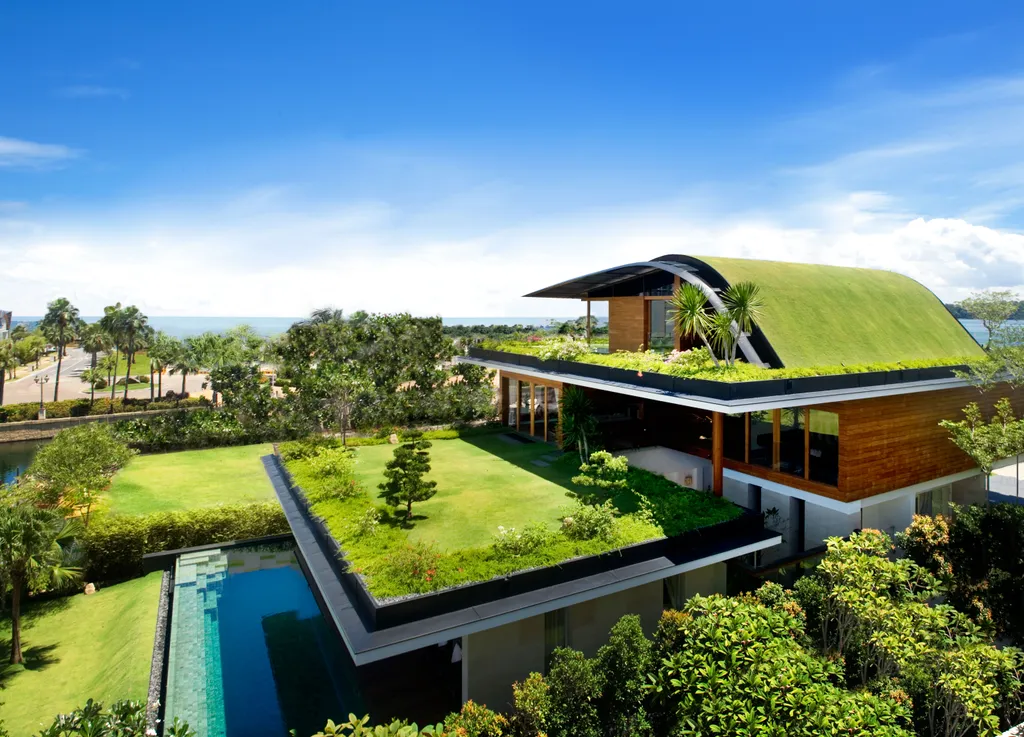
For centuries, roofs were barriers. Today, they are becoming ecosystems.
Green roofs replace sterile surfaces with soil and vegetation, reducing heat absorption, improving insulation, managing stormwater, and restoring fragments of lost habitat. In dense cities, they act as lungs and temperature regulators. In suburban and rural settings, they blur the boundary between home and landscape.
Beyond function, they change perception.
A home covered in living plants no longer feels imposed on the land. It feels rooted in it.
Technology that serves instead of dominates
Smart home technology once focused on novelty. Voice commands. Flashy controls. Automation for convenience alone. The future version is more subtle and far more meaningful.
Energy-monitoring systems that teach occupants how they consume. Solar arrays paired with battery storage that provide independence during outages. Smart ventilation that adjusts to humidity, pollution levels, and occupancy rather than running constantly.
The technology fades into the background, doing its job quietly, efficiently, and invisibly.
True innovation no longer demands attention. It earns trust.
Biophilic design and human biology
Eco-friendly homes are not only responding to the planet. They are responding to the human nervous system.
Biophilic design integrates natural materials, organic forms, greenery, water elements, and abundant natural light. These features are not decorative. They are biological necessities.
Studies consistently show that proximity to nature lowers stress, improves focus, and enhances overall well-being. The future home acknowledges that humans evolved in relationship with natural environments, not artificial boxes.
Wood, stone, clay, linen, and daylight are no longer rustic preferences. They are neurological allies.
Materials that remember the future
Sustainable architecture is also redefining what homes are made of. Low-carbon concrete, reclaimed wood, recycled metals, and bio-based materials reduce environmental impact while adding character and longevity.
Instead of disposable finishes, materials are chosen for how they age. Patina replaces perfection. Wear becomes a story rather than a flaw.
Homes of the future are built to endure, not impress temporarily.
Architecture as ethics
Perhaps the most profound shift is philosophical. Eco-friendly homes reflect a change in values.
They reject domination in favor of balance. They favor long-term thinking over immediate gratification. They prioritize health, efficiency, and adaptability instead of spectacle.
In doing so, they quietly ask a different question. Not how much space do we want, but how well do we want to live within it.
Where architecture is headed next
The future of housing will not be defined by a single style. It will be defined by alignment.
Design will respond to climate instead of ignoring it. Nature will be integrated instead of excluded. Technology will assist rather than overwhelm.
The homes of tomorrow will not look futuristic in the traditional sense. They will feel grounded, calm, and intelligently restrained.
And in that restraint, they may finally feel like home.
NY Glamour Recommends
“A carefully selected collection of products inspired by today’s story.”