

Where Hours Slip Away Without Leaving a Trace
It starts with a glance at the clock. A quick check meant only to confirm the hour. And then comes the confusion. What should have been minutes has become hours. Sometimes longer. No sense of sleep. No memory of interruption. Just a clean, impossible gap in time.
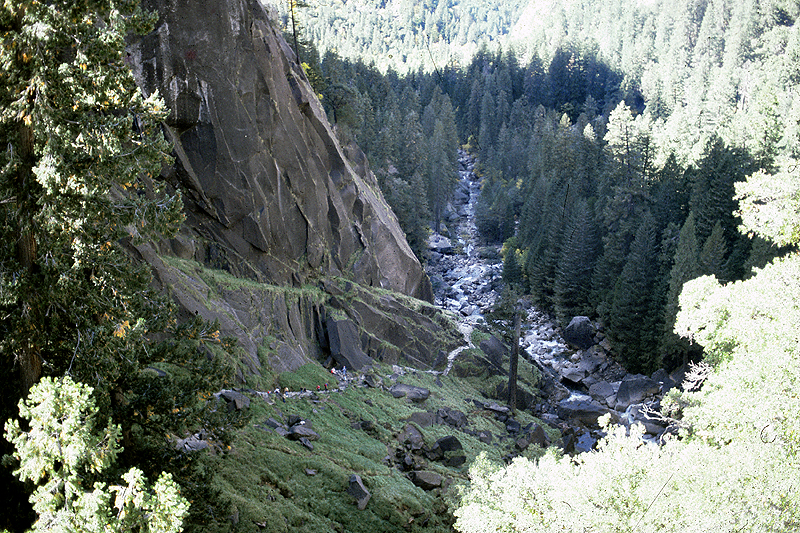
These places exist quietly across the world. Forest trails where hikers emerge far later than expected. Highways where drivers lose entire stretches of travel with no recollection of passing them. Valleys where visitors feel disoriented, calm, and inexplicably delayed. The surroundings appear normal. The absence exists only in memory.
What makes these experiences unsettling is their clarity. People are not unconscious. They are not injured. They do not feel confused while time is passing. Awareness resumes suddenly, as if a switch were flipped back on.
Many report the same sensations beforehand. A heavy stillness. A muffling of sound. A feeling of moving through thick air. Electronics may malfunction or lose signal. Compasses behave strangely. Animals go quiet. The world does not feel dangerous, just paused.
When memory returns, physical evidence sometimes remains. Watches stopped at the same minute. Fuel levels inconsistent with distance traveled. Shoes muddy without recall of walking. In rare cases, multiple people lose time together, later comparing gaps that match exactly.
Psychology offers familiar explanations. Dissociation. Micro-sleep. Stress-induced amnesia. The brain, overwhelmed or overstimulated, temporarily disconnects from conscious tracking. These explanations fit some cases. Others resist them.
Drivers losing hours on empty highways show no signs of fatigue. Hikers missing time during relaxed walks report no stress. Children experience it too, without language to frame it. And perhaps most unsettling, people often emerge from these gaps calm rather than alarmed.
Geography plays a role. These locations are often liminal spaces. Transitional zones between regions. Old routes. Valleys with unusual acoustics. Forests dense enough to distort perception. Places where landmarks repeat and orientation becomes unreliable.
Some researchers suggest environmental factors. Infrasound can alter perception and induce disorientation. Magnetic anomalies may interfere with neural processing. Subtle changes in air pressure could affect awareness. These theories offer partial explanations, but none fully account for the precision of the time loss.
Cultural traditions offer older interpretations. Many speak of places where time flows differently. Where travelers are warned not to linger. Not to follow unfamiliar paths. Not to rest too long. Folklore often frames these zones as thresholds rather than destinations.
Those who lose time frequently describe a lingering aftereffect. Heightened awareness. Vivid dreams. A sense that the present moment feels thinner than before. Few report fear. More often, they report unease mixed with curiosity.
Perhaps time loss is not disappearance, but misalignment. A moment when human perception slips out of sync with its surroundings. Like stepping onto a moving walkway without noticing it has sped up or slowed down.
These places do not announce themselves. They do not trap everyone. Most people pass through untouched. But occasionally, someone falls out of rhythm with the world and returns carrying absence instead of memory.
And the most unsettling part is not what happened during the missing hours. It is the certainty that something did.