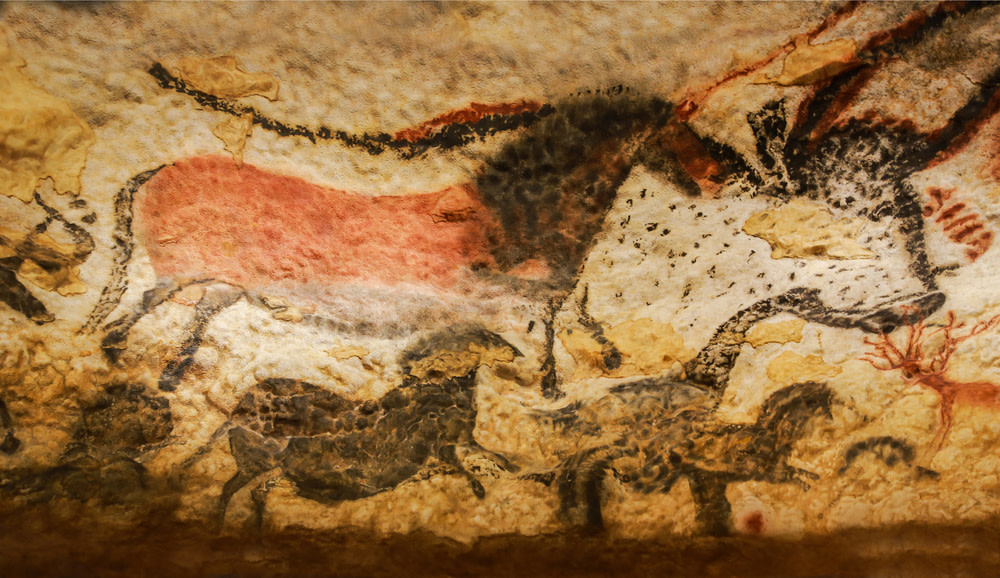

There was a time when the world had no sharp edges.
No border crossings. No passports. No thin lines carved across maps deciding who belonged where. Before modern nations existed, people did not define themselves by flags or citizenship. Identity flowed from the land beneath their feet, the language on their tongues, the stories they shared, and the beliefs that ordered their lives.
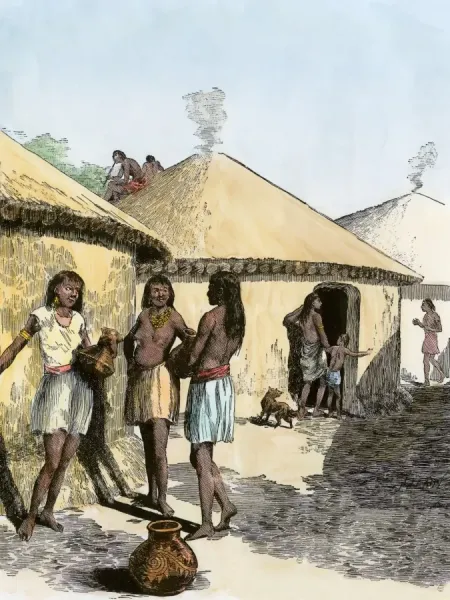
In this world, movement was natural. Nomadic tribes followed seasons rather than laws. Farmers belonged to valleys and rivers, not countries. Mountains marked cultural shifts more than political ones. The idea that land could be owned by an abstract state would have felt strange, even absurd.
In ancient Mesopotamia, identity centered around city-states, not nations. A person was from Ur or Uruk, not from a country in the modern sense. Loyalty belonged to the city, its gods, and its people. Borders were fluid, expanding and shrinking with alliances, marriages, trade, and conquest. They were lived realities, not fixed lines.
Across vast distances, networks like the Silk Road connected civilizations without erasing their uniqueness. Traders moved between cultures speaking multiple languages, adopting local customs, and blending beliefs. A merchant could pass through dozens of regions without ever feeling like a foreigner in the modern sense. Hospitality mattered more than paperwork. Reputation mattered more than nationality.
Tribal identity was often stronger than geography. In many regions, belonging meant shared ancestry, shared rituals, and shared memory. People carried their identity with them. If the tribe moved, the homeland moved too. Land was sacred not because it was owned, but because it was remembered. Burial grounds, water sources, and ancestral paths mattered more than boundaries.
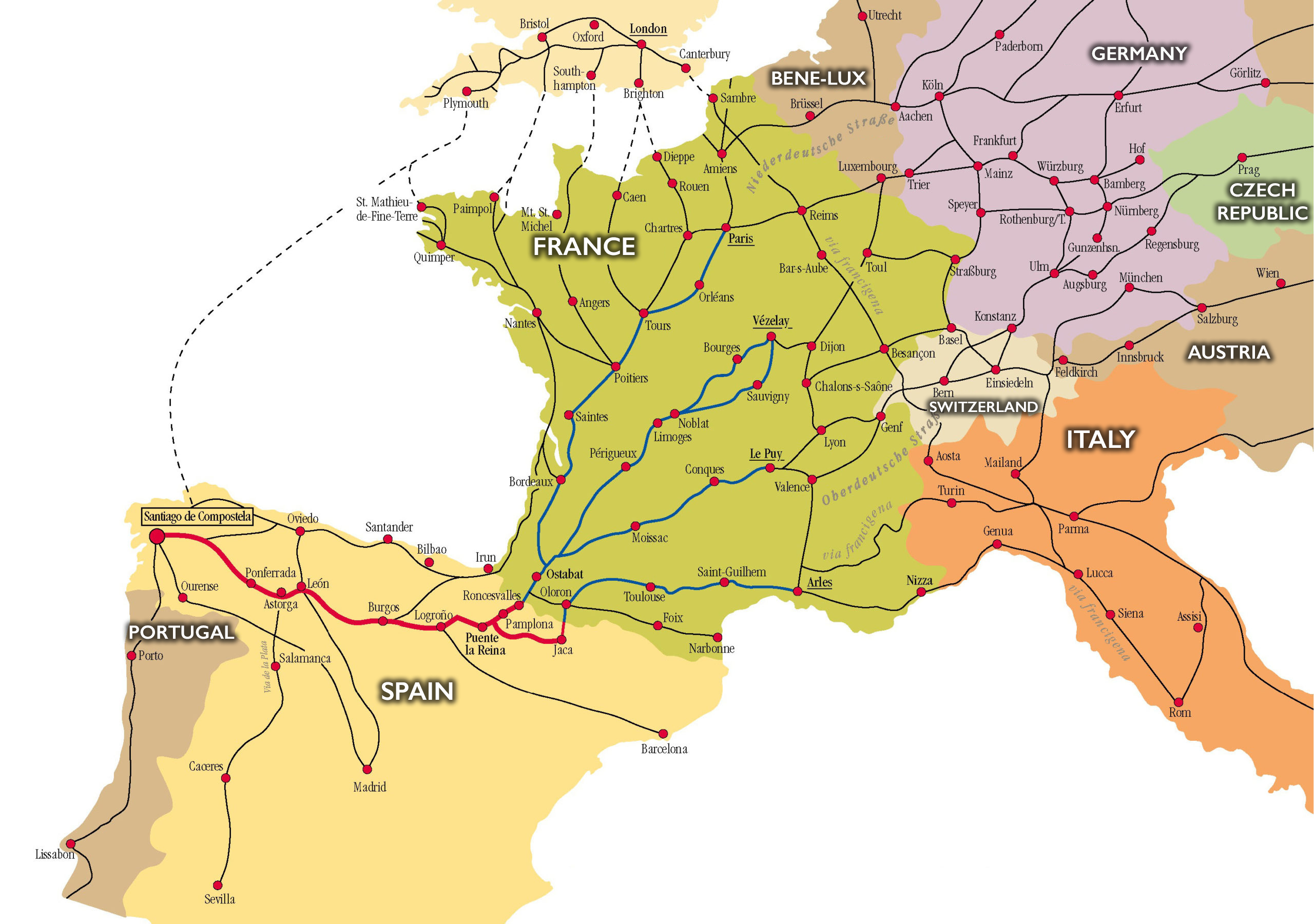
Religion also shaped belonging. Sacred spaces drew pilgrims from across continents long before borders existed. Faith created invisible communities stretching far beyond any territory. A believer could arrive in a distant land and find familiarity through shared prayer, symbols, and moral codes. Belief functioned as a passport long before documents did.