

When Silence Learns How to Breathe
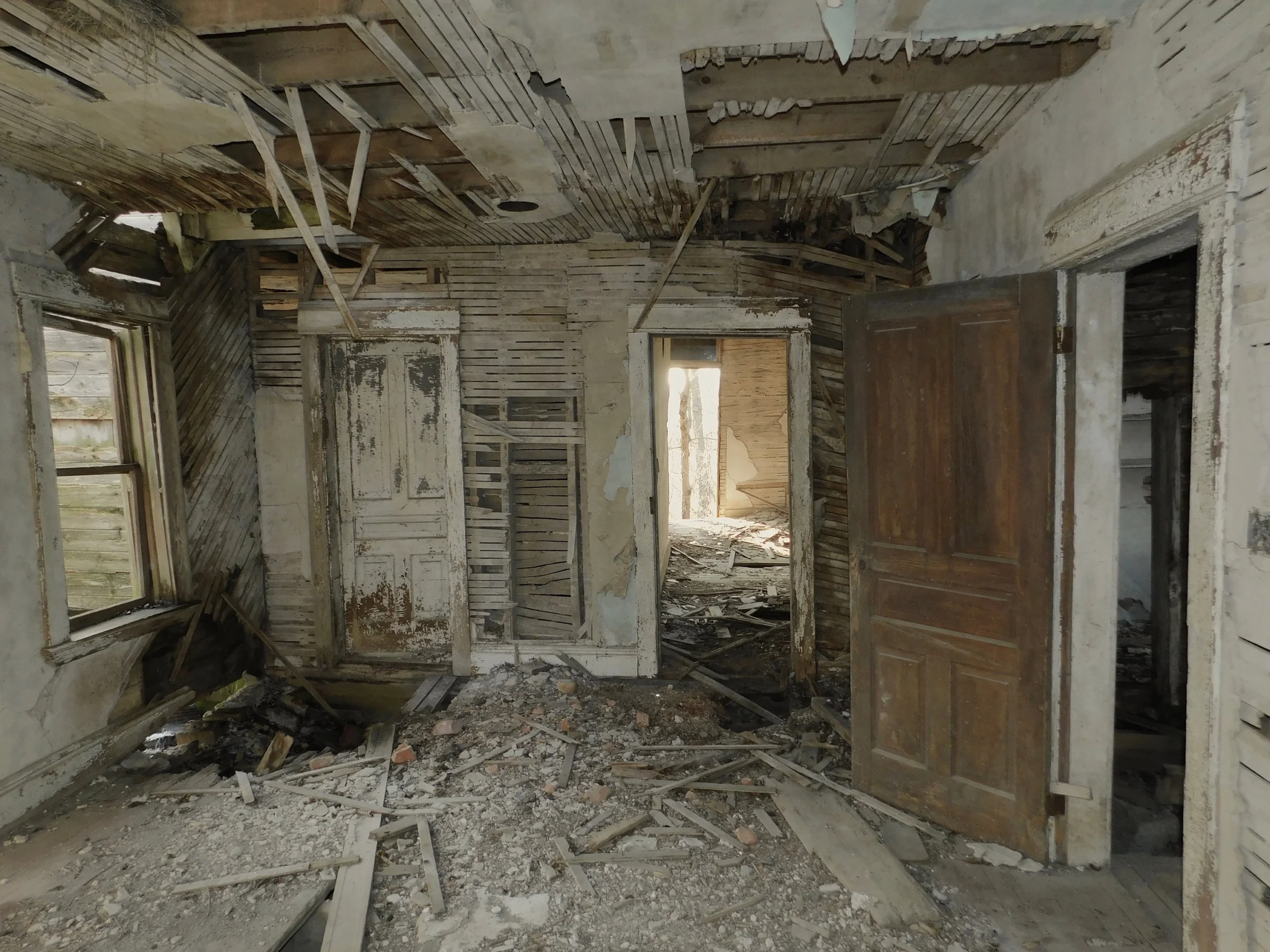
Long after the last suitcase was carried out, some places never quite accept their own abandonment. Paint peels, roofs collapse, weeds reclaim the floors, yet something lingers. Not a person, not a ghost in the theatrical sense, but a presence that resists erasure. These are the places that refuse to stay empty.
Across the world, abandoned towns and buildings share a strange pattern. People who enter them report the same sensations: footsteps echoing behind them, doors closing without wind, the feeling of being observed by something patient and unmoving. Nothing jumps out. Nothing screams. Instead, the air itself feels occupied.
Former residents sometimes return to these places for practical reasons. To retrieve documents. To say goodbye. To check what remains. Many leave quickly, unsettled by the sense that they are intruders in a space that has not fully let go of its former life. Some describe hearing everyday sounds that no longer belong there. A chair scraping. Distant conversation. A radio that is not plugged in.
Abandoned towns, especially those emptied suddenly by disaster, war, or economic collapse, seem to hold onto routines like muscle memory. Streets where children once ran feel oddly expectant. Kitchens smell faintly familiar despite years of dust. It is as if the buildings remember what humans forget.
Psychologists often explain this phenomenon through the brain’s pattern-making instinct. We are wired to detect presence, especially in unfamiliar or threatening environments. In silence, the mind fills gaps. In decay, it invents motion. Yet this explanation falters when multiple visitors report the same experiences independently. The same hallway that always feels watched. The same staircase where footsteps are heard. The same room people refuse to enter.
There are abandoned hospitals where security cameras capture motion without bodies. Empty factories where tools appear moved overnight. Houses sealed for decades where neighbors swear lights flicker briefly at dusk. These reports persist even after renovations or demolitions. Something about the space itself seems to remember.
Anthropologists offer a different lens. In many ancient cultures, places were believed to absorb human energy over time. Joy, fear, grief, and routine were thought to soak into walls and soil. A space heavily lived in did not become neutral just because people left. It became saturated. Modern language calls it atmosphere. Older traditions called it spirit.
Perhaps these places are not haunted by entities, but by habits. By repetition. By emotional residue that has nowhere else to go. A building is not alive, yet it is shaped entirely by life. When that life disappears suddenly, the absence becomes louder than presence.
What unsettles people most is not fear, but familiarity. These places do not feel hostile. They feel occupied. As if someone is simply in the other room. As if leaving the building means interrupting something already in progress.
Eventually, nature wins. Walls collapse. Floors rot. The memory dissolves into earth. But before that happens, there is a long in-between period where a place exists without people and yet does not feel alone.
We like to think abandonment equals emptiness. These places quietly argue otherwise. They suggest that leaving is not always enough. That some spaces remember us longer than we remember them.


I’d have to check with you here. Which is not one thing I normally do! I get pleasure from studying a publish that will make individuals think. Additionally, thanks for permitting me to remark!
I have been examinating out a few of your stories and i can claim pretty good stuff. I will definitely bookmark your blog.
Thanks a lot for sharing this with all people you really recognise what you are speaking about! Bookmarked. Kindly also talk over with my web site =). We could have a link change arrangement between us!