

Louise Bourgeois did not make art to explain herself. She made it to survive.
Born in Paris in 1911, Bourgeois lived nearly a century, and across that long life she built one of the most emotionally honest bodies of work in modern art. Sculptor, installation artist, writer, and draughtswoman, she transformed personal memory, trauma, fear, and desire into physical form. Her art is not symbolic in a distant sense. It is visceral, intimate, and deeply human.
Bourgeois believed that art was a form of psychological excavation. Childhood experiences, family relationships, betrayal, protection, anger, and vulnerability recur throughout her work. Rather than conceal these themes, she exposed them. For her, repression was dangerous. Expression was necessary. “Art is a guarantee of sanity,” she once said, and her career stands as proof of that belief.
She is perhaps best known for her monumental spider sculptures, especially Maman. Towering, fragile, and protective all at once, the spider became a complex symbol of her mother, a weaver and restorer of tapestries. Unlike traditional representations of motherhood, Bourgeois’ spider is not sentimental. It is strong, watchful, and capable of both care and threat. Love, in her work, is never simple.
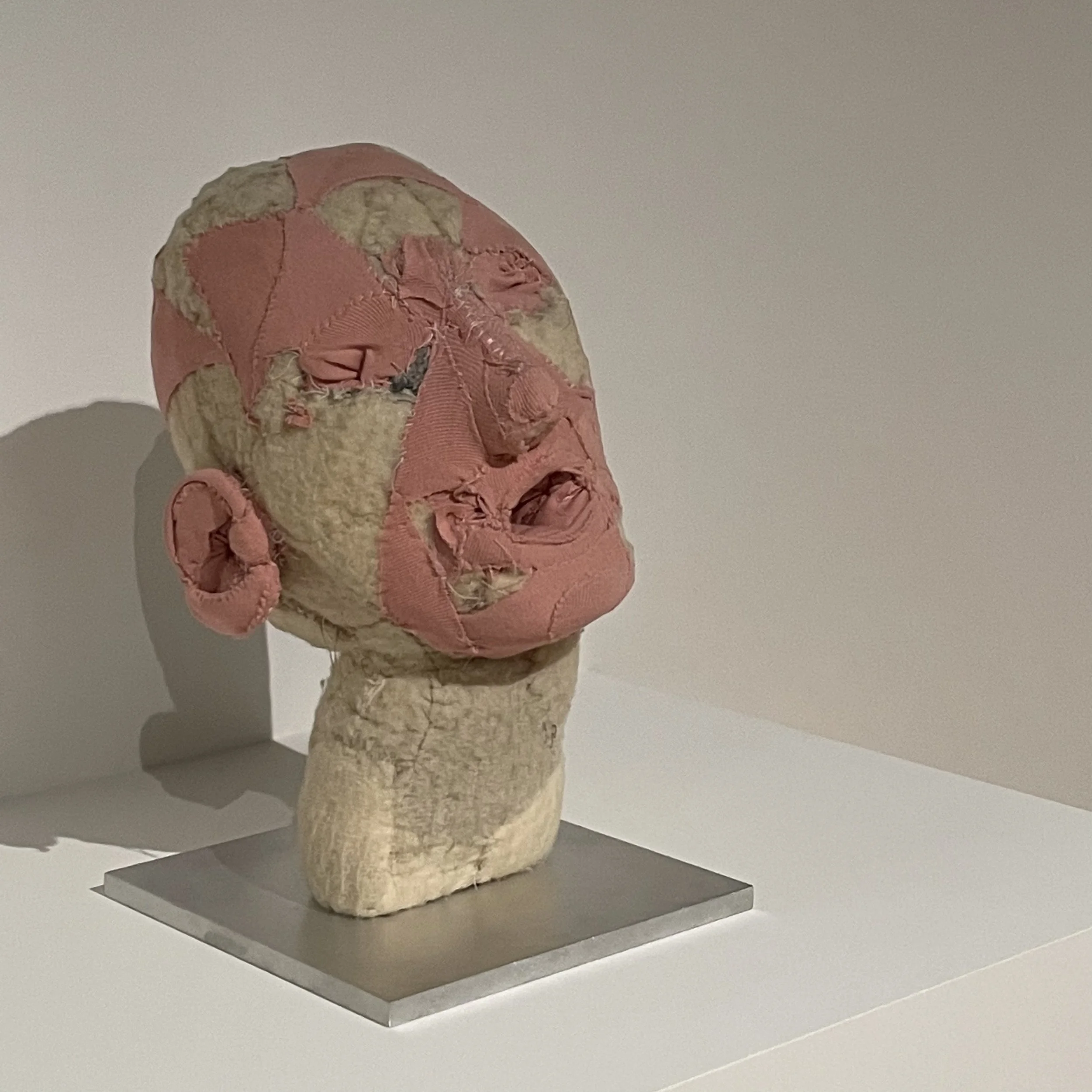
Bourgeois worked across materials without hierarchy. Bronze, marble, latex, fabric, steel, thread, and found objects all became carriers of memory. In her later years, she returned to textiles, cutting and sewing old garments and linens into sculptural forms. These works feel intimate, stitched with time, loss, and persistence. The act of sewing itself became metaphor: repair, repetition, and endurance.
Her installations often resemble psychological spaces rather than physical rooms. Cells, cages, and enclosed environments appear again and again, suggesting protection and imprisonment simultaneously. Viewers are invited not just to look, but to enter. To feel. To confront their own emotional architecture.
Despite the intensity of her subject matter, Bourgeois rejected the idea that her work was purely confessional. She believed that personal experience, when honestly examined, becomes universal. Fear, jealousy, love, rage, and longing are not private possessions. They are shared conditions.
Bourgeois achieved widespread recognition later in life, proving that artistic urgency does not belong only to youth. She continued creating into her nineties with undiminished intensity, reminding the art world that vulnerability is not weakness, and that courage often comes quietly, through persistence.
Louise Bourgeois turned memory into material and emotion into structure. Her work does not offer comfort. It offers recognition.
She showed that art can hold pain without being consumed by it, and that confronting what hurts is sometimes the most radical act of creation.


4pvuc0