

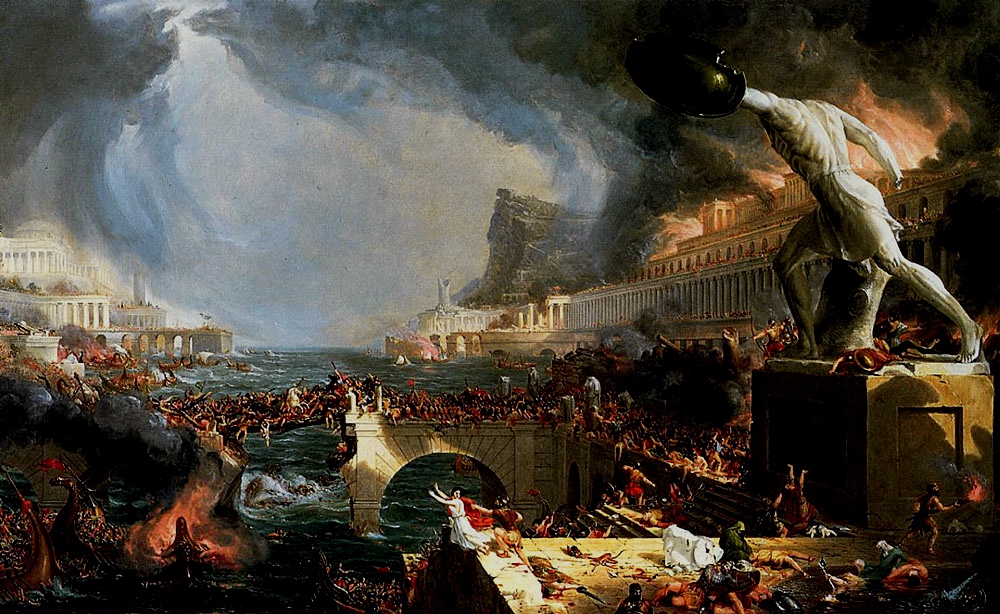
Civilizations rarely imagine their own ending. From the inside, collapse does not feel like a dramatic finale. It feels like disruption. Shortages. Confusion. Leaders insisting everything is under control. Then one day, systems stop working, and the world people trusted no longer exists.
History records several moments when entire civilizations unraveled so completely that survivors struggled to explain what had happened. These collapses were not caused by a single disaster, but by pressure piling upon pressure until societies simply could not recover.
One of the most haunting examples is the collapse of the Maya civilization. Once home to advanced astronomy, mathematics, architecture, and city planning, Maya cities were gradually abandoned between the 8th and 9th centuries. Evidence points to prolonged droughts intensified by deforestation, combined with overpopulation and political fragmentation. Rulers continued building monuments even as water sources dried up. Rituals intensified. Warfare increased. Then the cities emptied. Not destroyed by invaders, but left behind when survival became impossible.
The fall of the Western Roman Empire followed a similar pattern of slow decay and sudden rupture. Rome did not fall in one day, yet for many living through the 5th century, the moment was unmistakable. Trade routes collapsed. Currency lost value. Cities depopulated. Central authority weakened as internal corruption, economic inequality, and reliance on mercenary armies hollowed out the state. When borders failed, there was no system left to hold society together. What followed was not chaos everywhere, but fragmentation, smaller worlds replacing a vast one.
Earlier still, the Bronze Age Collapse around 1200 BCE wiped out multiple advanced civilizations across the eastern Mediterranean. Trade networks linking Mycenaean Greece, the Hittite Empire, and parts of Egypt disintegrated within decades. Climate stress, earthquakes, famine, internal rebellions, and mass migrations converged. Literacy vanished in some regions. Cities burned and were never rebuilt. For generations, people lived among ruins without knowing how their ancestors had built them.
Disease has also triggered sudden collapse. The Plague of Justinian in the 6th century devastated the Byzantine world, killing millions and draining the empire’s strength. Military campaigns stalled. Food production faltered. Urban life shrank. The empire survived, but permanently weakened, altering the balance of power across Europe and the Mediterranean.
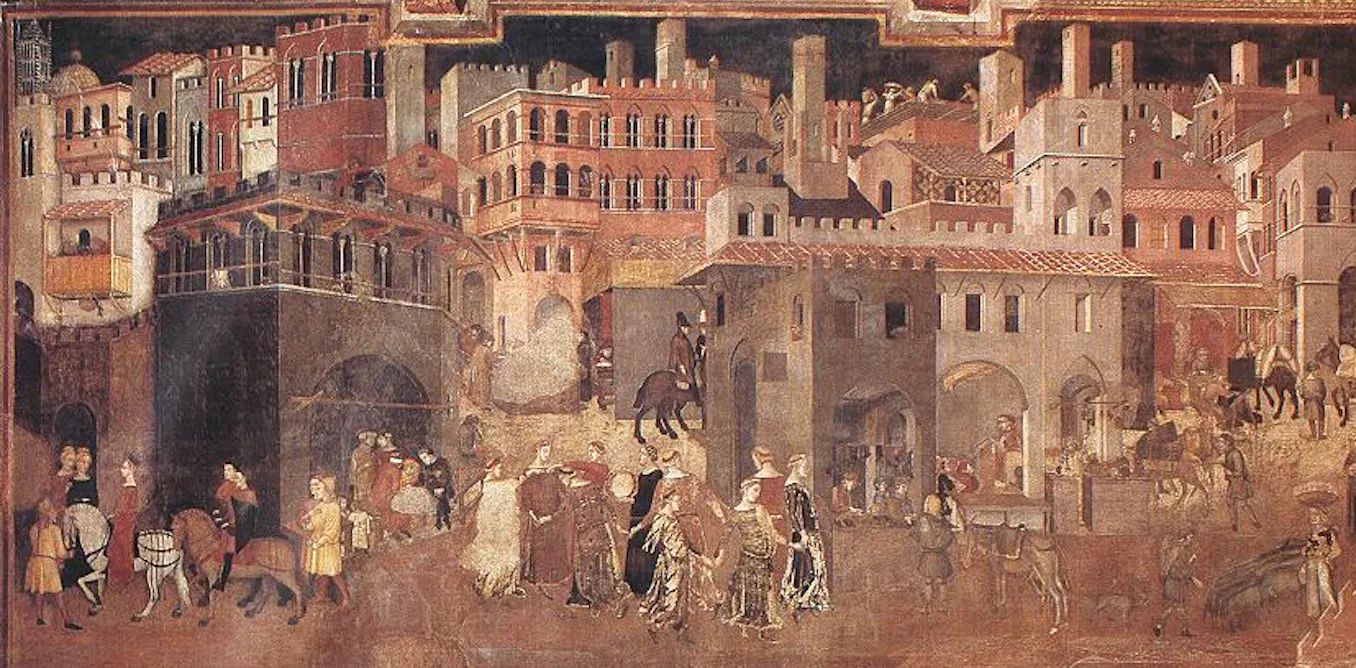
What makes these collapses unsettling is how familiar their warning signs feel. Environmental stress ignored for short-term gain. Wealth concentrated at the top while basic systems erode. Leaders disconnected from daily reality. Belief that past success guarantees future survival.
Collapse is rarely caused by one failure. It happens when resilience disappears. When a society loses the ability to adapt, recover, or trust its institutions. The final blow only reveals what was already broken.
To those living through it, collapse does not feel historical. It feels personal. Farmers lose harvests. Cities lose water. Families migrate. Traditions break. Knowledge fades. The world shrinks.
These moments remind us that civilizations are not permanent achievements. They are fragile agreements between people, environment, and governance. When that balance breaks, even the most impressive societies can vanish, leaving behind questions carved in stone.
History’s great collapses feel eerily modern because the forces behind them never disappeared. Climate stress, disease, inequality, and political decay are not ancient problems. They are recurring ones.
The past does not warn us with prophecies. It warns us with ruins.
What makes these collapses unsettling is how familiar their warning signs feel. Environmental stress ignored for short-term gain. Wealth concentrated at the top while basic systems erode. Leaders disconnected from daily reality. Belief that past success guarantees future survival.
Collapse is rarely caused by one failure. It happens when resilience disappears. When a society loses the ability to adapt, recover, or trust its institutions. The final blow only reveals what was already broken.
To those living through it, collapse does not feel historical. It feels personal. Farmers lose harvests. Cities lose water. Families migrate. Traditions break. Knowledge fades. The world shrinks.
These moments remind us that civilizations are not permanent achievements. They are fragile agreements between people, environment, and governance. When that balance breaks, even the most impressive societies can vanish, leaving behind questions carved in stone.
History’s great collapses feel eerily modern because the forces behind them never disappeared. Climate stress, disease, inequality, and political decay are not ancient problems. They are recurring ones.
The past does not warn us with prophecies. It warns us with ruins.