

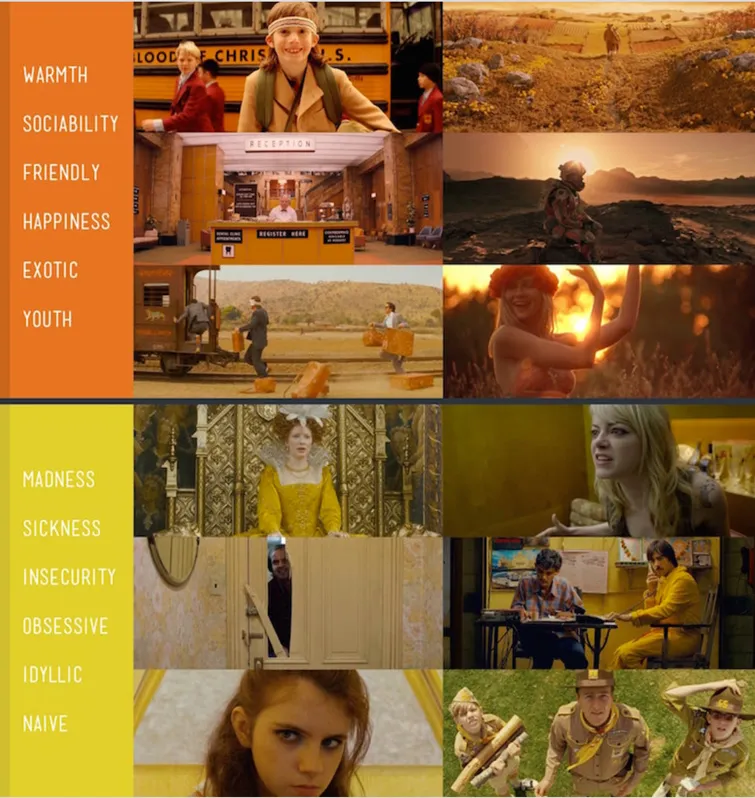
Color is one of cinema’s most powerful storytellers, yet it works almost entirely beneath awareness. Audiences rarely think about color while watching a film, but they feel it constantly. Mood, emotion, time, and even morality are shaped through color long before dialogue explains anything. This is the work of color correction and color grading, the final visual language that transforms raw footage into cinema.
Color doesn’t decorate a film. It defines it.
Color Correction: Making the Image Honest
Color correction is the technical foundation of the process. Its goal is consistency and clarity. Films are shot over many days, in changing light, with different cameras and lenses. Without correction, scenes would feel disconnected and visually chaotic.
Color correction balances exposure, contrast, and white balance so that shots match each other naturally. Skin tones are normalized. Shadows and highlights are controlled. The image becomes stable and readable.
This stage doesn’t add style. It removes distraction.
Correction ensures that nothing pulls the audience out of the story.
Why This Step Is Essential
Human eyes are extremely sensitive to inconsistency. A sudden shift in brightness or color temperature breaks immersion instantly. Even if viewers don’t know why something feels off, they feel it.
Color correction protects realism.
It allows the audience to accept the image as continuous and believable, creating a neutral canvas for the next stage.
Color Grading: Creating Meaning Through Color
Once the image is corrected, color grading begins. This is where artistry enters. Grading shapes the emotional and psychological tone of the film.
Color grading answers questions like:
-
How warm or cold should this world feel?
-
Should this moment feel hopeful, tense, nostalgic, or detached?
-
Does this character belong in light or shadow?
Color grading turns footage into atmosphere.
Emotion Before Thought
Color affects emotion faster than story or dialogue. Warm tones suggest comfort, intimacy, or memory. Cool tones suggest distance, control, or unease. High contrast creates tension. Soft contrast creates calm.
The audience feels these signals immediately, often without realizing why.
Color grading guides emotional response quietly and continuously.
Visual Consistency as Identity
A film’s color palette becomes its identity. Audiences may not remember exact scenes, but they remember how a film felt visually. That feeling is color.
Consistent grading across a film creates a visual world. It tells the audience what kind of reality they are in and what rules apply.
This consistency is crucial. Without it, a film feels fragmented.
Storytelling Through Color Shifts
Color grading can change subtly over the course of a film. As characters evolve, worlds collapse, or tension rises, color can shift almost invisibly.
A film might begin warm and gradually cool. Shadows might deepen. Saturation might drain. These changes reinforce narrative arcs without explanation.
Color becomes narrative progression.
Protecting Performance and Cinematography
Good color grading respects what was captured on set. It enhances performances rather than overpowering them. Faces remain human. Eyes remain alive. The goal is not to stylize at the expense of truth.
Over-grading flattens emotion. Restraint preserves it.
The best grading feels inevitable, not noticeable.
Color as Subtext
Color often carries meaning that dialogue never states. Power, danger, isolation, and intimacy can all be suggested through palette alone.
A character surrounded by warmth may feel safe. The same character in cold light may feel threatened, even if the scene hasn’t changed.
Color tells the audience what to feel without telling them what to think.
Modern Tools, Ancient Instincts
Today’s colorists use advanced digital tools that allow precise control over every pixel. But the instincts behind color grading are ancient. Humans have always responded emotionally to light and color.
Firelight comforted. Darkness warned. Cool shadows hid danger.
Color grading taps into this primal response.
Why Color Is Often Underrated
Because color works so subtly, it’s often invisible when done well. Audiences praise performances, writing, and direction, rarely realizing how much color shaped their experience.
But remove color grading, and the illusion collapses.
What feels cinematic suddenly feels raw and unfinished.
The Final Emotional Layer
Color correction and grading are the last emotional pass on a film. They don’t change the story, but they determine how the story is felt.
They unify image, emotion, and meaning.
By the time a film reaches the screen, color has already guided the audience through every scene, every shift, every silence.
Without color grading, cinema would still exist.
But it would feel incomplete.
Because color is not just what we see.
It’s how we feel what we see.




gnh6l5
e7qwqj