

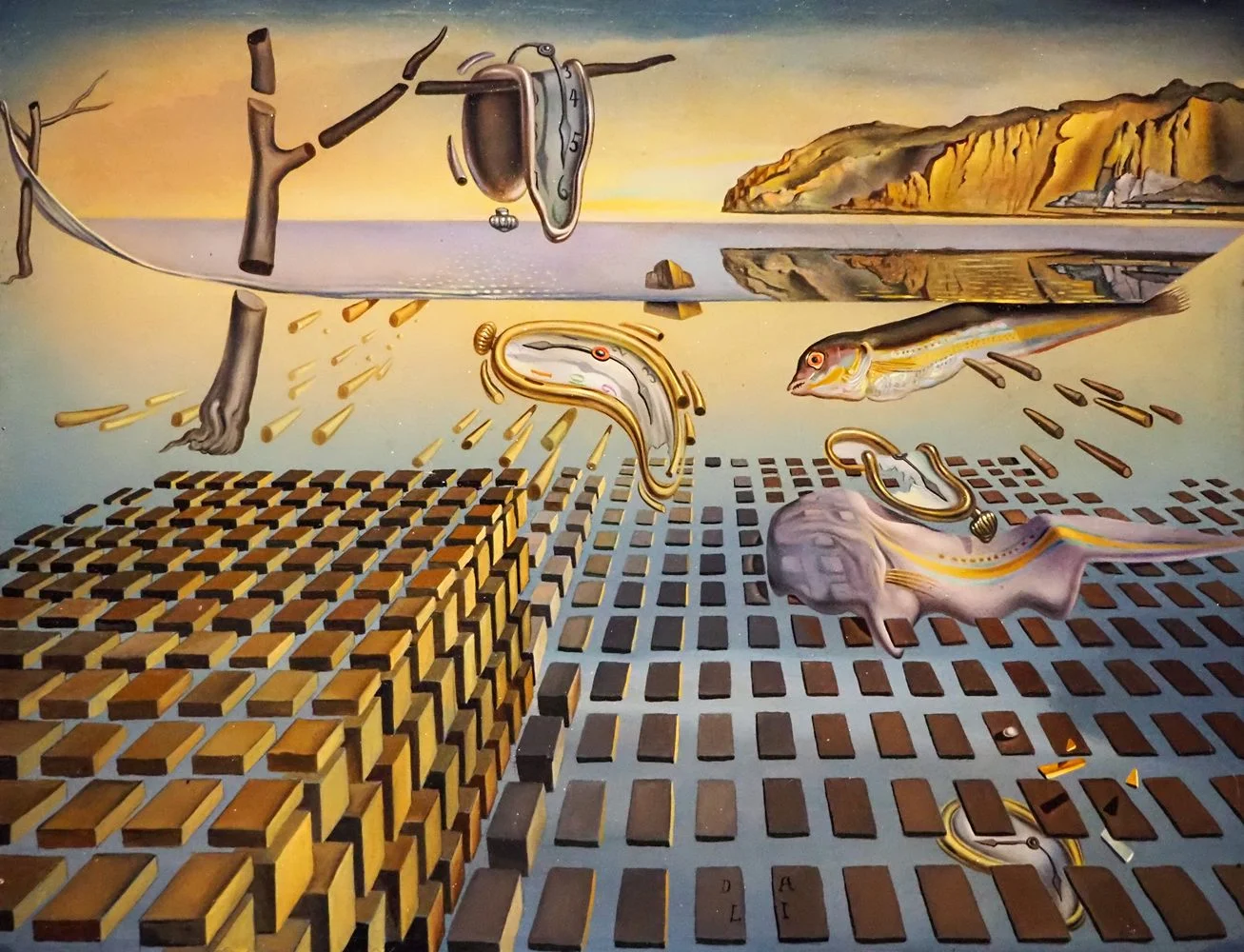
For most of human history, time erased more than it preserved. Memories softened, details blurred, and moments survived only through retelling. Forgetting was not a failure of the mind, it was a feature of being human. It allowed healing, reinvention, and mercy.
Today, that balance is shifting.
In a world where digital systems remember everything, permanence is no longer rare. It is default. And with that shift, humanity must reconsider what memory is for, and what forgetting protects.
Digital Memory vs Human Memory
Human memory is imperfect by design. It is emotional, selective, and fragile. It reshapes the past to help us survive the present. Pain dulls. Joy becomes symbolic. Memory edits for meaning.
Digital memory does none of this.
Digital systems record without context, emotion, or forgiveness. They preserve facts stripped of intention. A moment is stored exactly as it occurred, without understanding why it mattered or whether it should still matter.
Where human memory supports growth, digital memory preserves continuity.
This creates tension. When the past is never allowed to fade, identity becomes fixed. Change becomes suspicious. Growth looks like inconsistency rather than evolution.
The End of Forgetting
Forgetting once required no effort. Time did the work.
Now, forgetting must be actively defended.
Search engines, archives, screenshots, backups, and logs ensure that nearly every action leaves a trace. What was once ephemeral becomes permanent. What was once private becomes retrievable.
The danger is not that memory exists, but that it exists without expiration.
A thought outgrown, a mistake corrected, a version of the self left behind can continue to reappear, untouched by time. The past gains an unnatural power over the present.
In a world without forgetting, there is no true past.
Temporal Compression
The Digital Age has not only changed what we remember, but how fast time feels.
Information arrives instantly. Responses are expected immediately. Distance collapses. Waiting feels inefficient rather than natural.
This compression alters meaning.
Depth requires duration. Understanding requires pause. Wisdom requires repetition and reflection. When speed becomes the dominant value, meaning becomes thin.
Time loses texture.
Events blur together. Urgency replaces importance. The present feels crowded, yet strangely shallow.
Living Without Pause
Silence, waiting, and boredom were once unavoidable parts of life. They created space for imagination, rest, and reflection.
Now, pause feels optional, and often uncomfortable.
Every empty moment can be filled. Every silence interrupted. Attention is constantly redirected. The mind rarely settles long enough to wander.
Without pause, experience becomes continuous but unprocessed. Life is lived, but not digested.
Boredom once signaled the need for change or creativity. Now it is treated as a problem to eliminate rather than a doorway to insight.
The Right to Be Unrecorded
Perhaps the most radical idea in a world of permanence is the right to exist without documentation.
Not every moment needs proof. Not every experience benefits from preservation. Some moments derive their meaning precisely from being fleeting.
Privacy is not secrecy. It is freedom from permanence.
The right to be unrecorded protects:
-
Emotional safety
-
Experimentation
-
Vulnerability
-
Presence
-
Change
When every moment is potentially archived, people perform rather than live. Experience becomes content. Life becomes evidence.
Permanence as Power
Permanence is not neutral.
Those who control memory control narrative. Those who decide what is preserved and what is erased shape identity, reputation, and history.
In digital systems, permanence often favors institutions over individuals, systems over people. Errors linger longer than context. Records outlast growth.
Without limits, memory becomes a form of power rather than understanding.
Rebalancing Time
The challenge ahead is not to abandon digital memory, but to rebalance it with human values.
This means recognizing that:
-
Forgetting is not weakness
-
Pause is not inefficiency
-
Silence is not emptiness
-
Impermanence is not loss
They are conditions for meaning.
Time as a Human Space
Time was never meant to be fully captured. It was meant to be lived, remembered imperfectly, and allowed to pass.
As technology stretches memory toward infinity, humanity must decide where permanence ends and life begins.
Because a world that remembers everything risks understanding nothing.
And a life without fading moments risks losing the very depth that makes it human.