

First aid, chronic illness management, and when not to seek help.
When hospitals become overwhelmed, the danger is not only illness or injury. It is delay. Emergency rooms fill, ambulances queue, and routine care becomes inaccessible. In these moments, self-reliance and judgment become critical medical tools.
Surviving medical emergencies under strain does not mean replacing doctors. It means knowing what you can safely manage, what requires immediate action, and when seeking help may actually increase risk.
Understand what “overwhelmed” really means
An overwhelmed healthcare system prioritizes only the most critical cases. Heart attacks, major trauma, severe breathing failure, and uncontrolled bleeding move first. Everything else waits, sometimes for hours or days.
This means minor but painful conditions may not receive timely care. Knowing the difference between urgent and emergent can save lives, including your own.
Build a first-aid mindset, not just a kit
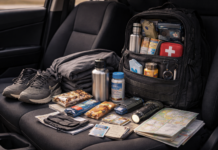
Supplies matter, but knowledge matters more. Every household should know how to control bleeding, clean and dress wounds, manage burns, treat dehydration, recognize infection, and stabilize fractures.
Learn how to apply pressure, use tourniquets properly, irrigate wounds, and recognize signs of internal bleeding. Stopping bleeding early is one of the most life-saving actions a non-professional can take.
Basic medications such as pain relievers, antihistamines, anti-diarrheals, fever reducers, oral rehydration salts, and antiseptics cover a wide range of emergencies.
Manage chronic illnesses proactively
During system overloads, chronic conditions quietly become emergencies. Missed medications, interrupted dialysis, unmanaged diabetes, asthma, heart disease, or epilepsy can spiral quickly.
Keep extra prescriptions when possible. Know generic alternatives. Maintain written medication lists with dosages. Never assume pharmacies or clinics will be accessible when you need them.
Adjust lifestyle aggressively during crises. Eat predictably, hydrate consistently, rest more, and avoid triggers. Prevention becomes treatment.
Recognize when NOT to seek hospital care
This is one of the hardest judgments. Going to a hospital during overload can expose you to infections, stress, and long waits that worsen your condition.
Minor cuts without deep bleeding, mild fevers responding to medication, stable sprains, controlled asthma symptoms, and uncomplicated infections can often be managed at home temporarily.
If symptoms are improving, monitor rather than rush. Hospitals are safest when you truly need them.
Know the red lines that require immediate help
Some conditions should never be delayed, regardless of system strain. These include uncontrolled bleeding, chest pain with pressure or shortness of breath, stroke symptoms, severe head injury, loss of consciousness, high fever with confusion, difficulty breathing, signs of sepsis, and uncontrolled allergic reactions.
When these occur, seek help immediately and clearly communicate severity. Do not minimize symptoms out of fear of burdening the system.
Use telemedicine and alternative care wisely
When available, telehealth can bridge gaps. Many infections, medication adjustments, and follow-ups can be handled remotely. Urgent care clinics, mobile clinics, and community health centers may be less overwhelmed than major hospitals.
Know what options exist before you need them. Planning under calm conditions prevents panic-driven decisions later.
Prevent infection aggressively
Overwhelmed hospitals amplify infection risk. Hand hygiene, wound care, clean water, and proper waste handling reduce illness dramatically.
Avoid unnecessary contact with sick individuals. Isolate early. Preventing illness becomes as important as treating it.
Mental clarity is part of medical survival
Stress worsens symptoms, impairs judgment, and increases accidents. Fatigue leads to mistakes. Establish routines. Rest intentionally. Rotate caregiving duties if possible.
Children and elderly individuals may hide symptoms or fail to communicate changes clearly. Observation matters as much as intervention.
The deeper truth
Medical systems fail gradually, not suddenly. People are harmed not because care disappears, but because they rely on it without preparation.
Those who survive best are not the most medically trained, but the most observant, disciplined, and willing to act early while knowing their limits.
When hospitals are overwhelmed, your calm judgment becomes the first line of care.