

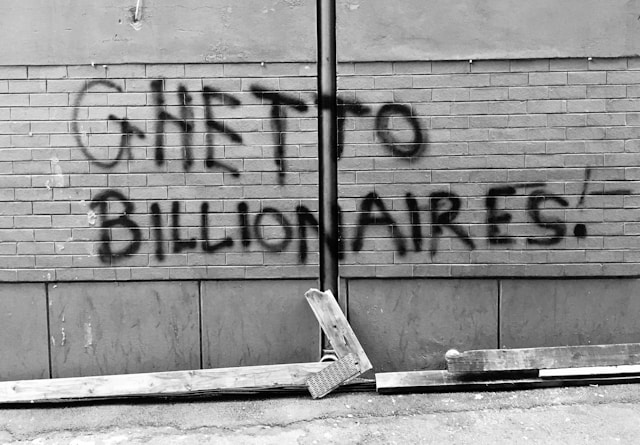
The phrase “ghetto billionaire” didn’t come from Wall Street. It came from mixtapes, block parties, and late-night studio sessions where artists measured success not only in dollars, but in escape velocity—how far and how fast you could travel from a zip code designed to keep you in place. It’s a charged term, rooted in hip-hop bravado and social critique, and it carries a paradox: the celebration of wealth born from places starved of it. Used carefully, it describes a new kind of mogul—creators and strivers who convert cultural capital into equity, ownership, and generational change.
Where the archetype was forged
In the 1990s and early 2000s, rap made entrepreneurship visible to kids who rarely saw CEOs who looked like them. Mixtapes were product, street teams were sales, and independent labels were vertically integrated startups before “DTC” was a buzzword. The lesson was blunt: own the master, own the building, own the brand. As hip-hop matured, so did its business model—tour revenue became the bridge to fashion capsules, spirits deals, beauty lines, streaming platforms, venture funds, sports agencies, and real estate portfolios. The playbook traveled beyond music into film, sports, beauty, and creator economy empires.
What sets “ghetto billionaires” apart isn’t only net worth; it’s the route. They begin with undervalued assets—neighborhood credibility, trend foresight, and an audience ignored by legacy marketers—and turn them into defensible moats. They stack revenue streams, keep cap tables tight, and use fame as leverage rather than the product itself.
A few emblematic paths
• The catalog king: Build a body of work with long tail value, retain ownership, and use the catalog as collateral for larger plays (merch, touring, licensing, private equity).
• The brand architect: Convert personal story into brand DNA, then scale through categories—spirits, sneakers, beauty, athleisure—via smart JV structures.
• The studio owner: Move from acting or stand-up to writing, directing, and ultimately owning the backlot and distribution rights.
• The athlete-investor: Parlay endorsements into equity, launch media ventures, take early positions in consumer tech, and buy into teams and leagues.
• The community developer: Acquire property on the blocks that raised you; build mixed-use, cultural, and retail hubs that return value locally.
Case notes (without the scorekeeping)
Jay-Z’s journey from Marcy Houses to multi-industry mogul became the template: independent label, fashion line, sports agency, champagne and cognac stakes, early tech bets, art collecting, and a relentless stance on owning masters and deals. Tyler Perry demonstrates a different vector: write it, film it, distribute it, then own the studio—an empire built on audience intimacy and vertical control. Rihanna’s Fenty story reframed celebrity beauty: use cultural trust to challenge shade gaps and packaging norms, with manufacturing and distribution muscle from a luxury partner. LeBron James turned athlete power into equity across content, nutrition, sports ownership, and community investment. Oprah Winfrey’s media network, production company, and brand alliances showed how a singular voice could become an institution.
The playbook (distilled)
-
Own IP early and often: masters, scripts, formats, character universes, trademarks.
-
Make fame work for equity: prefer cap table over flat fees; accept lower upfront for upside.
-
Stack synergistic lines: categories that reinforce each other (content → brand → retail → real estate).
-
Build distribution you control: newsletters, channels, streaming deals with favorable terms, physical venues.
-
Hire like a founder: legal, finance, ops—people who protect your downside and compound your wins.
-
Archive proof: data, case studies, and receipts that justify better terms the next time.
-
Give the neighborhood a seat: scholarships, incubators, storefronts, and actual ownership pathways for locals.
The critique and the counterpoint
There’s a rightful debate about billionaires in an unequal world. When wealth concentrates, public goods can starve. But the “ghetto billionaire” narrative also exposes how exclusion created parallel economies where culture produced untapped value long before institutions noticed. The question isn’t whether success is admirable—it’s what that success funds: living-wage jobs, supplier diversity, local housing, media independence, and platforms for the next generation.
Signals to watch in the next decade
• Creator-owned streaming bundles and FAST channels that let artists program their own networks.
• Fan equity and revenue-sharing models that turn audiences into stakeholders.
• Athlete and artist ownership stakes in expansion teams, leagues, and global sports IP.
• Beauty, wellness, and fragrance lines built on inclusive R&D and sustainable supply chains.
• Neighborhood REITs and community land trusts seeded by cultural moguls.
• AI-enabled studios that keep pre- and post-production in-house, preserving margins and control.
A closing note on language
“Ghetto” is a historically heavy word; it carries pain, resilience, and resistance. Using it responsibly means honoring the people and places it names, not reducing them to marketing slang. The better story—and the truer headline—may be this: from overlooked to owner. From the block to the boardroom. From survival to stewardship.
Photo by Hennie Stander on Unsplash