
For a long time, eco-friendly art felt instructional. Posters that warned. Installations that protested. Works that explained environmental collapse in urgent tones. The intention was right, but the result was often heavy, moral, and distant.
Something has changed.
Today’s most compelling sustainable art does not lecture. It lives. Sustainability is no longer the subject of the work. It is the material, the process, and the philosophy behind it.
Art is not talking about nature anymore. It is collaborating with it.
From recycled to reimagined
Early eco-art often focused on reuse as commentary. Trash transformed into sculpture. Discarded objects arranged to shock or confront. These works mattered, but they were rooted in reaction.
The current wave is more refined.
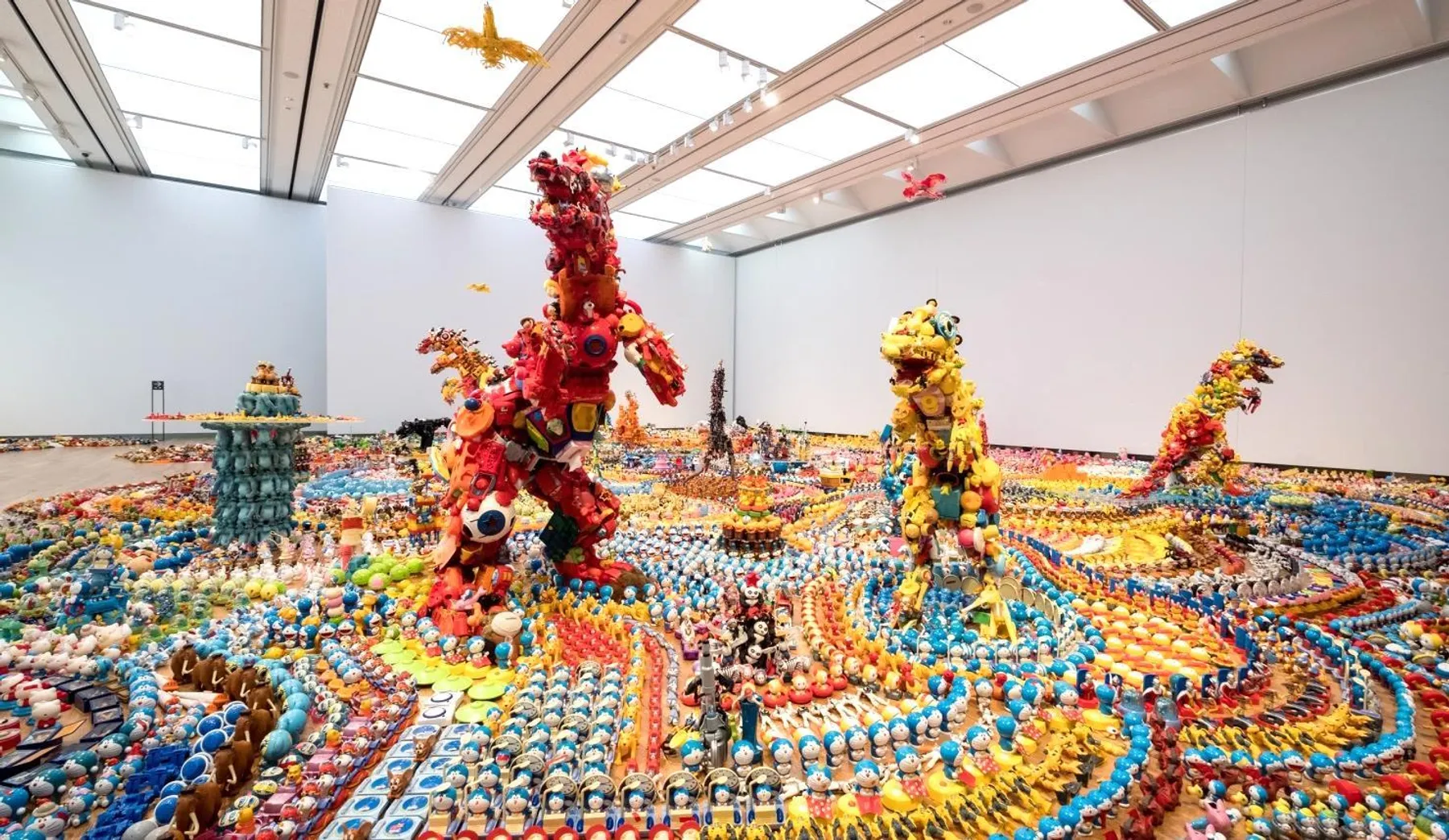
Artists now use reclaimed materials not to make a point, but because those materials offer texture, history, and depth that new ones cannot. Weathered wood carries memory. Salvaged metal holds scars. Reused textiles already know the human body.
Sustainability here is not symbolic. It is practical, aesthetic, and deeply intentional.
Organic materials and the beauty of impermanence
A growing number of artists are embracing organic and biodegradable materials that change, decay, or disappear over time. Clay, soil, plant fibers, natural dyes, wax, fungi, algae, and leaves replace plastics and synthetics.
These works resist permanence.
Instead of fighting time, they acknowledge it. Cracks form. Colors fade. Structures shift. The artwork becomes a process rather than a fixed object.
This challenges a long-standing art-world obsession with preservation and immortality. In eco-friendly creativity, impermanence is not failure. It is honesty.
Living art and collaboration with nature
Perhaps the most radical shift is the rise of living art.
Moss walls that grow and spread. Sculptures seeded with native plants. Installations that respond to light, humidity, or human presence. Art that photosynthesizes, breathes, and evolves.
In these works, the artist relinquishes control.
Nature becomes a co-creator rather than a theme. The artwork cannot be fully owned, archived, or finalized. It exists in relationship with its environment.
This redefines authorship itself.
Sustainability without spectacle
Eco-friendly art today is often quiet.
It avoids grand statements and dramatic messaging. It blends into public spaces, homes, and landscapes. It invites touch, time, and proximity rather than shock.
This subtlety is deliberate.
When sustainability becomes the medium, it no longer needs explanation. The viewer feels it through material honesty, sensory engagement, and restraint.
The absence of excess becomes the aesthetic.
The ethics of making
Sustainable creativity extends beyond materials into process. Artists are reconsidering studio practices, waste, energy use, and sourcing.
Small-batch production replaces mass output. Local materials replace global shipping. Tools are shared. Studios become ecosystems rather than factories.
The question shifts from “what does this artwork say?” to “how was this artwork made?”
In that shift, ethics become embedded rather than advertised.
Audience as participant, not consumer
Eco-friendly art often invites participation rather than consumption. Viewers walk through it, tend it, interact with it, or influence its outcome.
This engagement fosters care.
When people feel part of a work, they develop responsibility toward it. Sustainability stops being abstract and becomes personal.
Art becomes an experience of relationship, not ownership.
Redefining creative success
Traditional measures of artistic success prioritized scale, permanence, and market value. Eco-friendly creativity challenges those metrics.
A temporary installation that restores a degraded space may matter more than a collectible object. A community-based project may outlive a gallery exhibition. A piece that leaves no waste may be more radical than one that sells for millions.
Success becomes contextual rather than transactional.
The future of art in a fragile world
As environmental limits become impossible to ignore, art is adapting not through fear, but through intelligence.
Eco-friendly creativity is not a genre. It is a mindset. One that respects material, acknowledges limits, and values connection over excess.
When sustainability becomes the medium, art regains something ancient. Its role as a bridge between humans and the living world.
Not to warn us.
But to remind us that we are already part of it.