

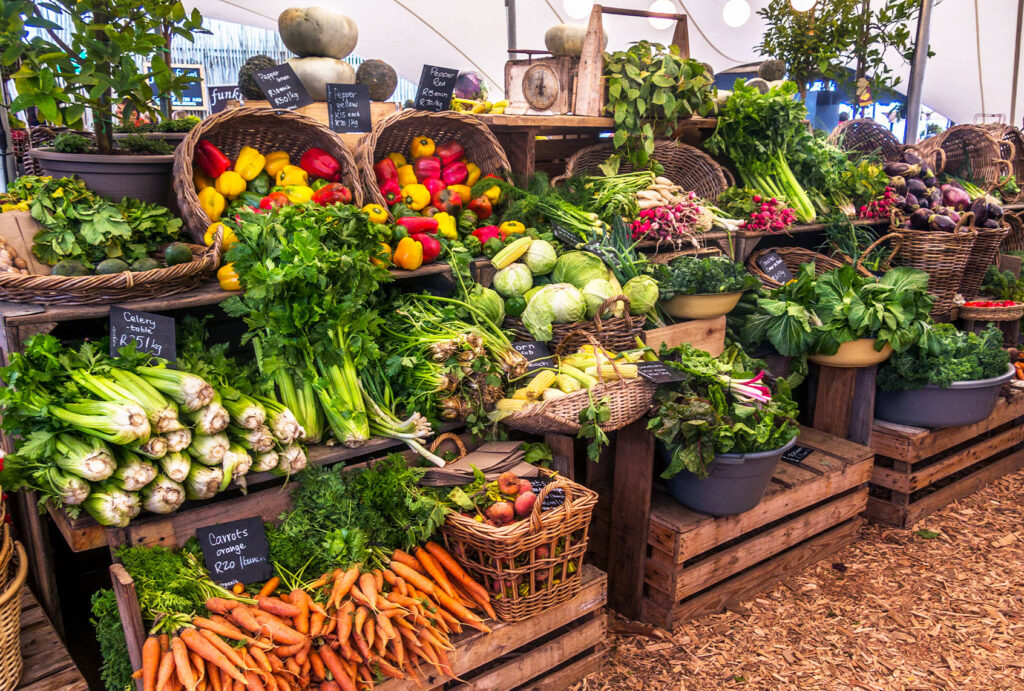
Food is where environmental concern often becomes loud, confusing, and contradictory. One headline warns against meat. Another blames packaging. A third praises a superfood flown across oceans. Labels multiply. Guilt follows. And somewhere between the shopping cart and the dinner table, clarity disappears.
Eco-friendly eating has been buried under marketing noise.
What actually matters is simpler, quieter, and far less dramatic than trends suggest.
Greenwashing on the plate
The food industry learned sustainability language quickly. Words like “natural,” “eco,” “clean,” and “green” now decorate packaging without clear meaning. A product can appear responsible while hiding long supply chains, heavy processing, and excessive resource use.
Eco-friendly food is not about buzzwords. It is about systems.
Where food comes from, how it is grown, how far it travels, and how much is wasted matter far more than clever branding.
Local beats perfect
One of the most impactful food choices is also one of the least glamorous: eating locally when possible.
Food grown closer to home typically requires less transportation, less refrigeration, and less packaging. It also supports regional ecosystems and economies.
A locally grown vegetable that isn’t organic may still have a smaller footprint than an imported organic one wrapped in plastic and shipped thousands of miles.
Perfection is not the goal. Proximity is.
Seasonality matters more than trends
Eating with the seasons aligns consumption with natural cycles. Seasonal produce requires fewer artificial inputs, grows more efficiently, and often tastes better.
Strawberries in winter and asparagus year-round come at a cost. Heated greenhouses, long-distance transport, and storage energy quietly accumulate behind the convenience.
Seasonal eating is not restrictive. It is rhythmic. It reintroduces anticipation, variety, and appreciation into food choices.
Less waste, more impact
Food waste is one of the largest and least discussed environmental issues. When food is discarded, all the resources used to produce it are wasted too. Water, energy, labor, and land vanish into the trash.
Reducing food waste has a greater environmental impact than obsessing over minor ingredient swaps.
Planning meals, using leftovers creatively, storing food properly, and respecting expiration dates realistically are powerful acts of sustainability.
The most eco-friendly food is the food you actually eat.
Plant-forward, not perfectionist
Shifting toward plant-forward meals significantly reduces environmental impact. This does not require strict labels or total elimination.
Eating less meat overall, choosing smaller portions, and treating animal products as occasional rather than central can dramatically lower emissions and resource use.
Rigid rules often fail. Flexible patterns last.
Sustainability improves when people make changes they can maintain.
Packaging is important, but not everything
Packaging matters, but it is often overstated compared to production impact. Obsessing over paper versus plastic while ignoring food origin or waste misses the bigger picture.
Bulk buying when practical, choosing minimal packaging, and reusing containers help. But they should complement, not replace, smarter sourcing and consumption habits.
Packaging is visible. Systems are not. Systems matter more.
Ultra-processed foods and hidden costs
Highly processed foods often require complex manufacturing, multiple ingredients, extensive packaging, and long supply chains. Their environmental footprint is rarely obvious.
Cooking simple meals from whole ingredients reduces processing energy while improving health and satisfaction.
Eco-friendly food choices often overlap with human-friendly ones.
Noise versus necessity
Not every decision carries equal weight. Switching straws while discarding uneaten meals. Buying trendy superfoods while ignoring seasonality. Chasing labels instead of habits.
Real impact comes from fewer, better choices repeated consistently.
Buy closer to home. Waste less. Eat seasonally. Choose simplicity. Stay flexible.
The future of eco-friendly eating
Sustainable food choices are not about moral purity or constant vigilance. They are about alignment.
When food decisions support ecosystems, communities, and personal well-being at the same time, they stop feeling like sacrifice.
Eco-friendly eating does not require doing everything. It requires doing what matters.
And what matters most often fits quietly into daily life, right where the noise fades and nourishment begins.