

Modern culture loves a straight line. We imagine history as a steady climb from ignorance to enlightenment, each century smarter than the last. But the deeper historians dig, the more that line bends, breaks, and sometimes loops backward. Again and again, evidence shows that ancient people understood far more about the world than we were ever taught.
Long before modern engineering textbooks, the Romans mastered infrastructure on a scale that still defies easy explanation. Their aqueducts carried fresh water across valleys using gravity alone, precise gradients, and durable materials that have survived for nearly two thousand years. Some Roman roads are still in use today, layered so intelligently that modern highways were later built directly on top of them. This was not trial and error. It was applied science.
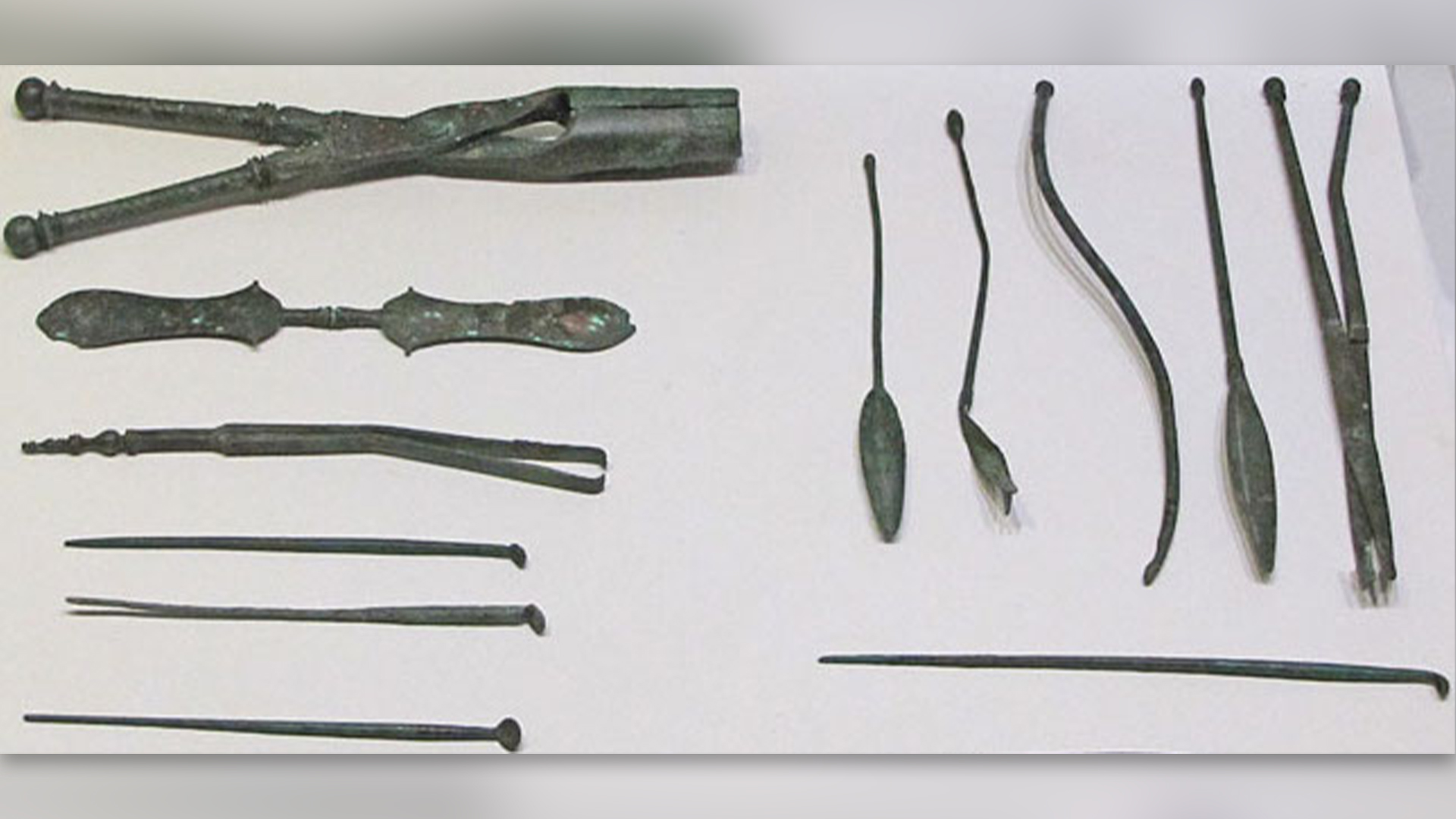
Even more unsettling is ancient medicine. Archaeological evidence reveals that prehistoric surgeons performed successful skull operations known as trepanation. Patients survived. Bone regrowth proves it. In ancient India, detailed medical texts described complex surgeries, anesthesia using herbal compounds, and anatomical understanding that rivals early modern medicine. These were not mystical healers guessing in the dark. They were careful observers of the human body.

Astronomy may be the clearest example of lost sophistication. Long before telescopes, ancient civilizations tracked planetary movements with astonishing accuracy. The most shocking artifact is the Antikythera Mechanism, discovered in a shipwreck off the coast of Greece. Often described as the world’s first analog computer, it used intricate bronze gears to predict eclipses, planetary cycles, and astronomical events decades in advance. Nothing comparable appears again in history for over a thousand years.
Architecture tells a similar story. The precision of ancient stonework, from Egypt to South America, raises uncomfortable questions. Massive blocks weighing tens of tons were cut, transported, and fitted so tightly that modern tools struggle to replicate the results. In places like Machu Picchu, stones interlock without mortar, designed to flex during earthquakes rather than collapse. This is seismic engineering, achieved without steel or digital modeling.