
Power, Betrayal, and the Truth Behind One of History’s Most Secretive Orders
Few historical groups have generated as much mystery as the Knights Templar. Warrior monks, bankers, builders, heretics, guardians of secret knowledge. Over centuries, legend blurred into speculation, and speculation hardened into myth.
But behind the symbols and conspiracies lies a far more human story, one of rapid rise, immense power, and a calculated betrayal that reshaped medieval Europe.
The birth of a powerful order
The Knights Templar were founded in the early 12th century, in the aftermath of the First Crusade. Their original mission was practical and noble: protect Christian pilgrims traveling to Jerusalem.
They lived as monks, bound by vows of poverty, chastity, and obedience, but fought as elite soldiers. This combination of religious devotion and military discipline made them unique and highly respected.
Their headquarters stood near the ruins of the Temple of Solomon. From this location, their name and mystique grew.
From warriors to bankers
As the Crusades expanded, so did the Templars’ influence.
Donations poured in from kings and nobles. Lands, castles, and farms across Europe came under their control. To manage this wealth, the Templars developed advanced financial systems, including secure transfers of funds across borders.
A pilgrim could deposit money in France and withdraw it in the Holy Land using Templar documents. In effect, the Templars became Europe’s first international bankers.
They answered only to the Pope.
And that made them dangerous.
Power without accountability
By the early 14th century, the Templars were immensely wealthy, politically connected, and largely independent. They owed allegiance to no king, paid no taxes, and operated across borders.
This independence bred resentment.
No ruler felt this more intensely than Philip IV, a monarch deeply in debt and desperate to consolidate power. The Templars were wealthy. He was broke.
And they stood outside his control.
Friday the 13th
On October 13, 1307, Philip made his move.
In a coordinated operation, Templars across France were arrested at dawn. They were charged with heresy, blasphemy, and obscene rituals. Under torture, some confessed. Others did not survive interrogation.
The accusations were shocking, but the evidence was thin.
Fear did the rest.
Pope Clement V initially resisted. But under intense political pressure, he dissolved the order in 1312. The Templars’ wealth was seized. Their leaders were imprisoned.
The order was erased on paper.
The execution that sealed the legend
In 1314, the last Grand Master of the Templars, Jacques de Molay, was burned at the stake in Paris after publicly retracting his forced confession.
His execution transformed the Templars from disgraced prisoners into martyrs.
According to legend, he cursed the king and the pope from the flames. Both died within a year.
Myth found fertile ground.
What the evidence actually shows
Modern historians agree on several key points.
The Templars were not heretics.
They did not possess secret occult knowledge.
They were not guardians of ancient supernatural relics.
What they did possess was wealth, independence, and political vulnerability.
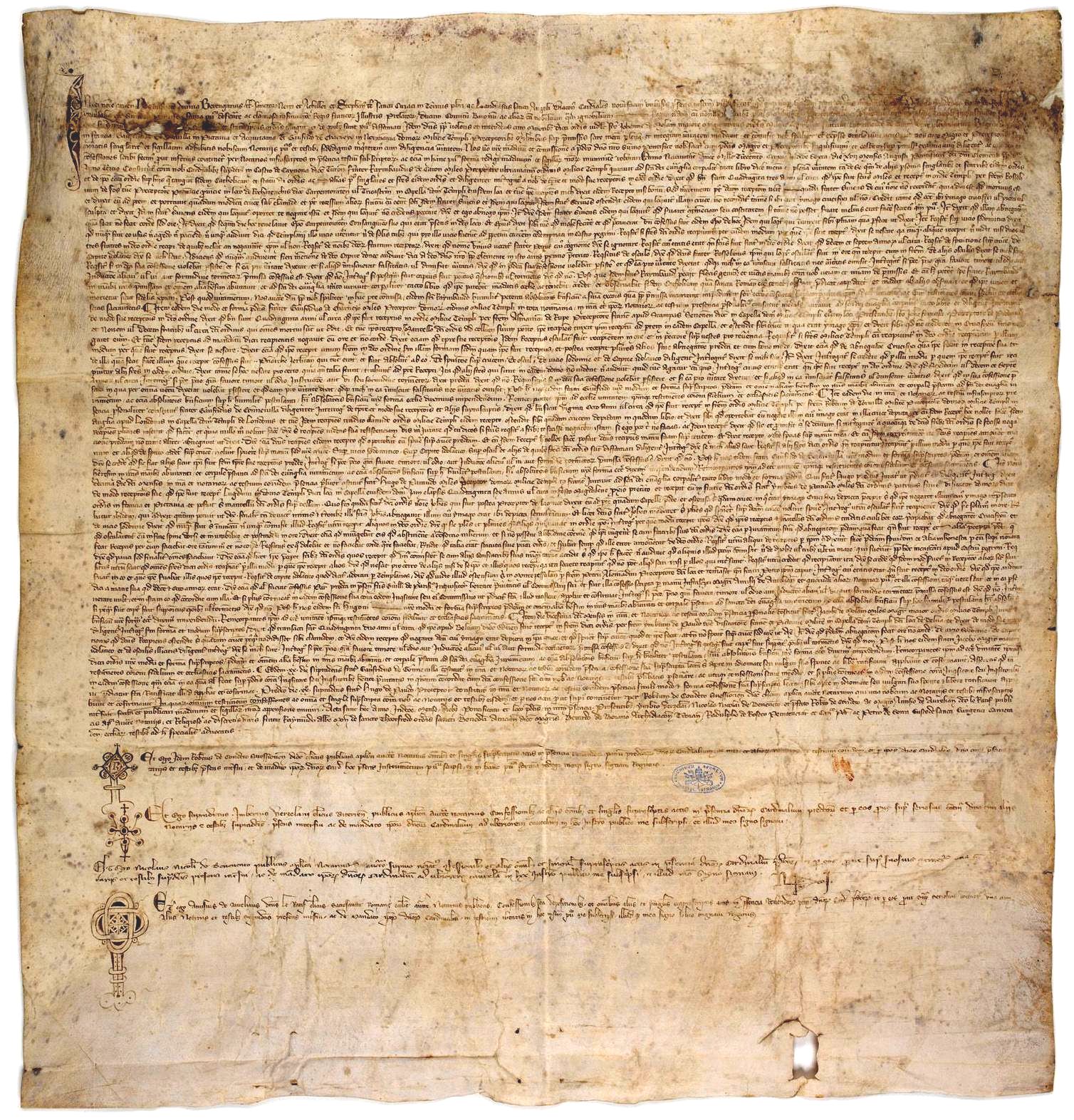
Recent discoveries, including the Chinon Parchment, show that the Pope privately absolved the Templars of heresy years before dissolving the order. Their destruction was political, not theological.
They were eliminated because they were powerful and inconvenient.
Why the myths survived
The Templars vanished abruptly, leaving behind property, symbols, and unanswered questions. No clear successor. No public reckoning.
Into that silence flowed imagination.
Secret survival. Hidden treasures. Shadow networks influencing history from behind the scenes. These stories thrived because the truth felt unsatisfying by comparison.
A secret order destroyed by greed doesn’t feel grand enough.
So legend filled the gap.
What really happened
The Knights Templar were not wiped out by dark magic or forbidden knowledge.
They were betrayed.
By a king who needed their wealth.
By a system that feared their independence.
By politics dressed as piety.
What really happened to the Knights Templar was not a mystery lost to time.
It was a warning.
When power accumulates without protection, secrecy becomes liability. And when fear meets ambition, even the most respected institutions can be dismantled overnight.
The Templars didn’t disappear into legend.
They were pushed there.
And history, uncomfortable with its own reflection, let the myth take over.