

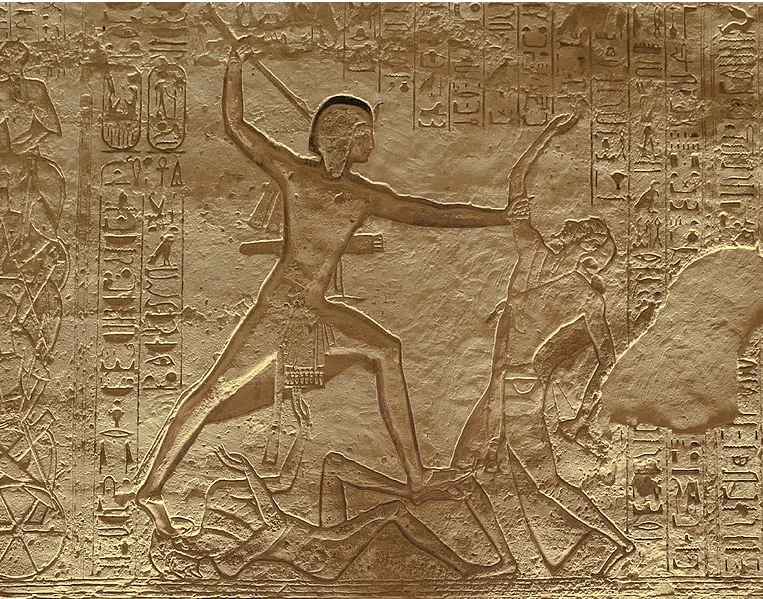
History loves clear villains. They make stories easier to tell and power easier to justify. But the past was not a moral theater with obvious heroes and monsters. Many figures remembered as tyrants were shaped by propaganda, fear, or the standards of later generations judging worlds they no longer understand.
Re-examining these so-called villains does not mean excusing brutality or cruelty. It means restoring context. And context changes everything.
Take Vlad the Impaler, remembered today as a bloodthirsty madman and the inspiration for Dracula. His reputation rests on accounts written largely by his enemies. In reality, Vlad ruled a small, threatened territory caught between powerful empires. His extreme punishments were meant as psychological warfare, deterrence rather than chaos. In his own land, he was remembered by many as a ruler who enforced law, reduced crime, and resisted foreign domination. Monster to outsiders, protector to his people.
Another misunderstood figure is Cleopatra. Popular culture casts her as a seductive manipulator who used beauty to control powerful men. Roman propaganda, especially from Octavian’s circle, deliberately painted her this way to undermine her political legitimacy. In truth, Cleopatra was a highly educated ruler, fluent in multiple languages, deeply involved in economics, diplomacy, and governance. Her greatest crime was not immorality, but independence in a world determined to dominate her kingdom.
Genghis Khan is often reduced to a symbol of mass destruction. His armies were ruthless, and the violence was real. Yet this is only part of the story. Under his rule, trade routes expanded, religious tolerance was enforced, and merit replaced aristocratic birth in leadership. The Mongol Empire connected East and West more efficiently than any power before it. For millions, his reign brought stability and mobility in a fragmented world. Terror and order coexisted, an uncomfortable truth history often flattens.
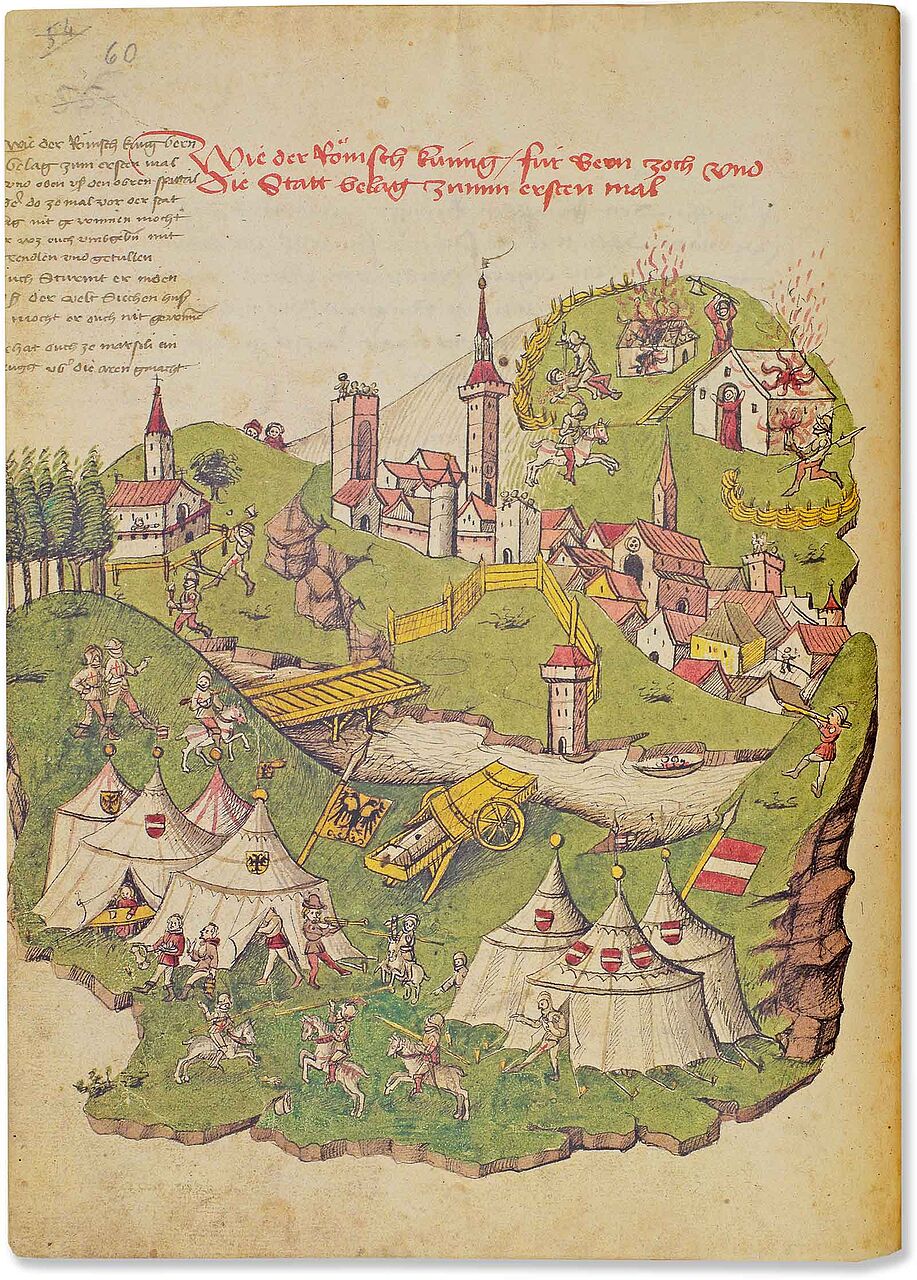
Even rulers labeled as mad deserve reconsideration. Caligula is remembered as insane and sadistic. Much of what we know comes from historians writing after his assassination, under regimes eager to justify his removal. While he certainly abused power, modern scholars question how much of his legend was exaggerated to serve political convenience. History written by survivors is rarely neutral.
Why do these distortions persist. Because victors write history, and fear sharpens narratives. Turning opponents into monsters makes conquest feel moral. Simplifying people into villains makes complex conflicts easier to digest.
Re-examining misunderstood figures does not rewrite history to make it comfortable. It makes it honest. It reminds us that power operates through storytelling as much as through force. That reputation can be a weapon. That memory can be manipulated.
The past was not populated by caricatures. It was shaped by humans navigating violent, unstable worlds with limited choices. Judging them without context tells us more about modern values than historical reality.
History’s most misunderstood villains challenge us to read deeper, question louder, and resist easy conclusions. Because the moment we stop questioning who was labeled a monster, we risk repeating the same simplifications in our own time.