When everything familiar begins to collapse, art does not disappear. It emerges. In moments of war, displacement, pandemics, political unrest, or personal loss, humans instinctively turn to drawing, music, storytelling, and song. Art becomes more than expression. It becomes survival.
Art as a psychological lifeline
In times of crisis, the human nervous system is overwhelmed. Fear, uncertainty, and grief push the brain into survival mode. Art offers a release valve. Creating something, even something small, gives the mind a sense of control when the external world feels uncontrollable. A line drawn on paper, a melody hummed quietly, or a story written in fragments can stabilize emotions and reduce psychological distress.
This is why children draw during trauma and why adults write, sing, or craft when words fail. Art allows the brain to process pain indirectly, without forcing it into logical language too soon.
Memory, testimony, and resistance
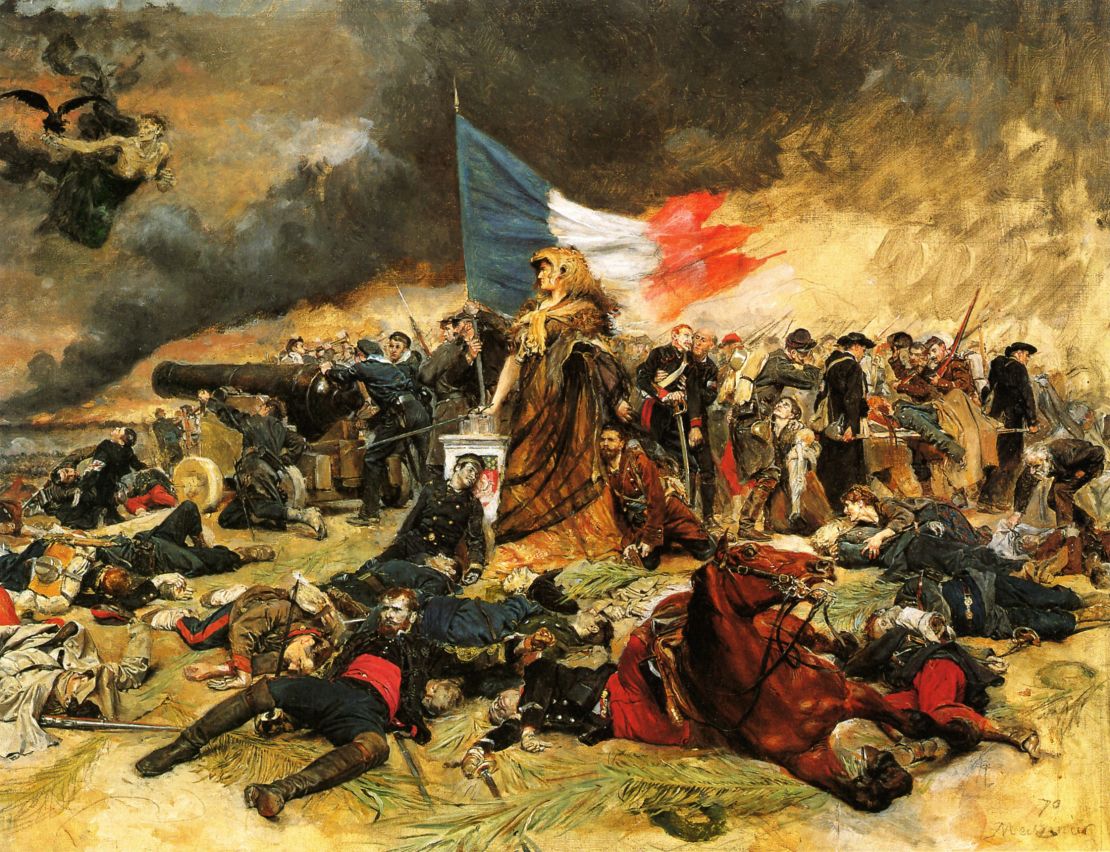
Art has always been a witness. From cave paintings to wartime sketches, humans record crisis visually when history books do not yet exist. Art preserves emotional truth. It captures fear, hope, anger, and endurance in ways official records often erase.
In oppressive environments, art also becomes resistance. Murals, songs, and poems carry messages that cannot be spoken openly. Even when censored or destroyed, these works live on through memory and repetition. Creating art in crisis is an act of defiance. It says: we are still here, and we are still human.
Connection when isolation dominates
Crisis isolates people. War separates families. Pandemics isolate bodies. Displacement breaks communities. Art reconnects. A song shared across balconies, a drawing passed between hands, or an image circulating online can create a sense of shared experience. It reminds individuals that they are not alone in their fear or grief.
Art builds invisible bridges when physical ones are broken. It creates collective identity at a time when identity feels threatened.
Hope without denial
Art does not pretend crisis is beautiful. It does not erase suffering. Instead, it holds space for complexity. Through art, humans acknowledge pain while still imagining a future. This balance is crucial. Hope without denial allows people to endure without losing clarity.
Even the darkest art carries a spark of life. The act of creating itself implies belief in tomorrow, even when tomorrow feels uncertain.
Why art returns again and again
History shows a pattern. Whenever societies face collapse, art intensifies. Creativity rises not because conditions are ideal, but because expression becomes necessary. Art is not a luxury added after survival. It is part of survival.
In crisis, humans need meaning as much as food and shelter. Art helps make sense of chaos, transforms fear into form, and reminds people of their inner life when the outer world becomes hostile.
Conclusion
Humans need art in times of crisis because art protects what crisis tries to erase. It preserves identity, releases emotion, records truth, and keeps imagination alive. When systems fail and language breaks down, art remains. It whispers, sings, draws, and remembers. And in doing so, it helps humanity endure.