
Edgar Degas did not chase beauty. He studied it.
Born in Paris in 1834, Degas became one of the most distinctive figures of modern art by doing something quietly radical: he treated everyday life as worthy of deep, almost scientific attention. While often grouped with the Impressionists, Degas stood slightly apart from them, more observer than dreamer, more analyst than romantic.
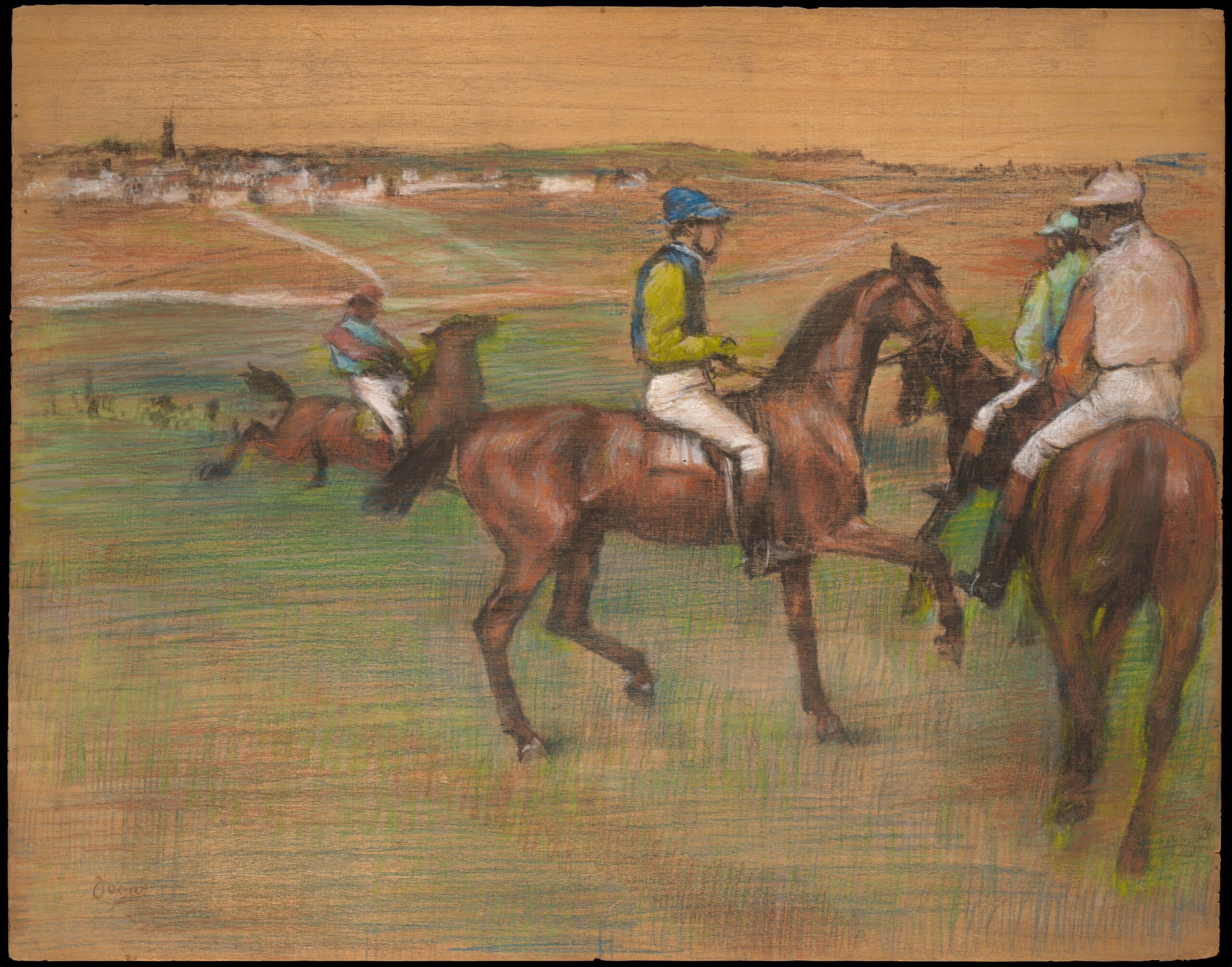
Degas was fascinated by movement, especially the kind that goes unnoticed. Dancers stretching between rehearsals. Women bathing, drying, bending, unguarded. Horses mid-stride, muscles tense with effort. These were not idealized moments. They were fragments of real life, caught as if the viewer had stumbled upon them by accident.
Unlike many of his contemporaries, Degas preferred interiors over landscapes and artificial light over sunlight. He believed composition mattered as much as color. Cropped figures, unusual angles, and asymmetry became his signature, influenced by photography and Japanese prints. His works feel modern even today, as if the frame could extend beyond the canvas at any moment.
Degas was a master draftsman, trained in classical techniques, yet he used that discipline to break conventions. His ballerinas are not delicate ornaments. They are workers. Their bodies show strain, repetition, and fatigue. By revealing the labor behind grace, Degas changed how art portrayed femininity, performance, and discipline.
As his eyesight deteriorated later in life, Degas adapted rather than surrendered. He turned increasingly to pastel and sculpture, using texture and form to compensate for what vision could no longer provide. His small wax sculptures, especially of dancers, feel intimate and experimental, capturing gesture more than finish.
Degas was known to be complex, private, and often difficult, but his work remains profoundly human. He believed that art should not flatter the viewer. It should reveal something true, even if uncomfortable. His paintings ask us not just to look, but to notice.
Edgar Degas transformed fleeting moments into lasting insight. He showed that movement is not only physical, but emotional, and that the quiet, in-between moments of life often tell the deepest stories.