
What Nutrition Can Realistically Do, and What It Cannot
The idea that certain foods can cure cancer is powerful, hopeful, and widespread. It appears in headlines, social media posts, and personal stories. But it is important to say this clearly and responsibly:
There is no food, diet, herb, or supplement that can cure cancer on its own.
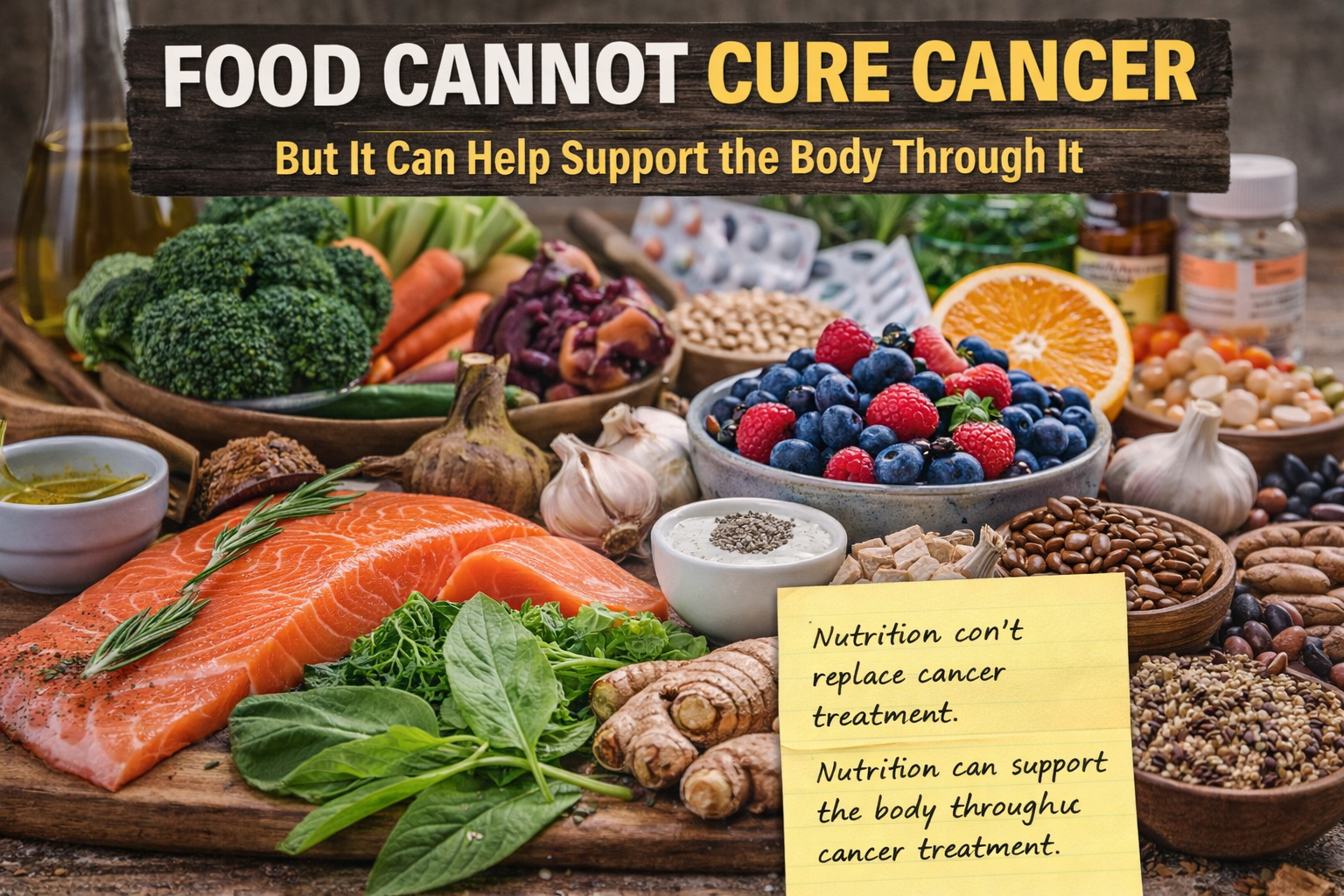
Cancer is a complex group of diseases that involve genetic mutations, abnormal cell growth, and interactions with the immune system. Treating it requires medical intervention such as surgery, chemotherapy, radiation, targeted therapy, or immunotherapy. Food cannot replace these treatments.
That said, nutrition still matters deeply. Food can support the body, reduce treatment side effects, strengthen immunity, and improve quality of life during and after cancer treatment. Understanding this distinction protects people from false hope while empowering them with realistic, supportive tools.
Why the “Food Cures Cancer” Myth Persists
Food feels accessible and natural. Many cancer patients experience moments of improvement after changing diet, which can be meaningful but is often misinterpreted as cure. Some foods also contain compounds that slow cancer cell growth in laboratory studies, but lab results do not equal human cures.
Hope is human. But hope must be paired with truth.
What Food Can Actually Do
Nutrition supports the body in five critical ways during cancer and recovery:
– Supports immune function
– Reduces inflammation
– Helps maintain body weight and strength
– Aids digestion and nutrient absorption
– Improves energy, mood, and resilience
These effects do not cure cancer, but they can influence how well someone tolerates treatment and recovers afterward.
Foods That Support the Body During Cancer Treatment
Certain foods are consistently associated with better outcomes, not because they kill cancer directly, but because they support the systems fighting it.
Vegetables and Fruits (Especially Colorful Ones)
Leafy greens, berries, cruciferous vegetables, carrots, tomatoes, and citrus fruits provide antioxidants, fiber, vitamins, and phytochemicals. These compounds help reduce oxidative stress and support immune response.
Protein-Rich Foods
Protein is essential for tissue repair, immune cells, and muscle maintenance. Eggs, fish, legumes, poultry, tofu, yogurt, and beans help prevent muscle loss and weakness during treatment.
Healthy Fats
Omega-3 fats from fish, flaxseed, walnuts, and olive oil support inflammation balance and calorie intake when appetite is low.
Whole Grains and Fiber
Oats, brown rice, quinoa, and whole grains support gut health, blood sugar stability, and digestion, which are often disrupted during treatment.
Fermented and Gut-Supporting Foods
Yogurt, kefir, and other fermented foods may support gut bacteria, which play a role in immunity and inflammation regulation.
Foods Often Studied for Cancer Support (Not Cure)
These foods are frequently mentioned because they contain biologically active compounds:
– Turmeric (curcumin)
– Garlic
– Green tea
– Ginger
– Berries
– Cruciferous vegetables
These compounds show promise in research for supportive roles, but none cure cancer, and none should replace medical treatment.
What to Be Cautious About
Extreme diets, juice-only cleanses, fasting protocols, or supplement megadoses can weaken patients, interfere with treatment, or delay proper care. Some supplements interact dangerously with chemotherapy or radiation.
“Natural” does not mean safe or effective for cancer.
Always discuss dietary changes or supplements with a healthcare professional.
The Role of Nutrition in Recovery and Prevention
While food does not cure cancer, long-term healthy eating can help reduce recurrence risk in some cancers and support overall health after treatment. Balanced nutrition helps the body recover strength, rebuild tissues, and regain stability.
This is where food truly shines: supporting life, not replacing medicine.
The Most Honest Truth
Cancer is not cured in the kitchen.
But the kitchen can support the body that is fighting it.
Food is not a cure.
Food is a companion to treatment.
Food is strength, resilience, and care.
Final Thought
Be wary of anyone promising cures through food alone. That promise is not empowerment — it is risk. True empowerment comes from combining medical treatment with informed, supportive nutrition and compassionate care.