
For centuries, astrology has been misunderstood as a system of prediction. People imagine it as a cosmic fortune-telling device, a way to peek into the future and decode fate. But for most who engage with astrology seriously, that has never been the point.
Astrology isn’t about what will happen.
It’s about recognizing patterns.
Humans Are Pattern-Seeking Creatures
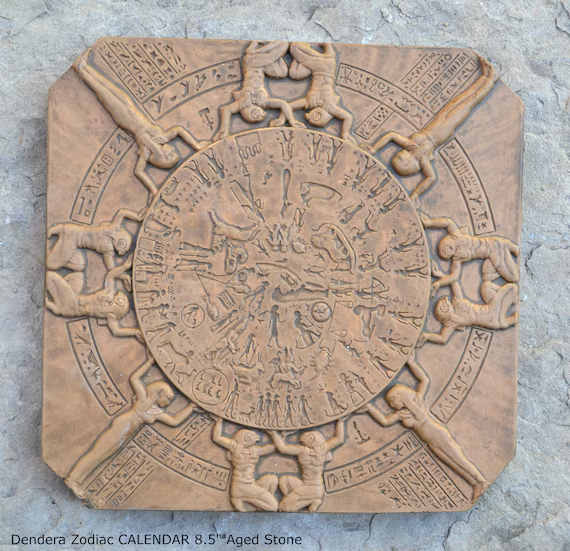
Long before astrology, humans read meaning in nature. Seasons, tides, animal migrations, and weather cycles all taught early societies that life follows rhythms. Survival depended on noticing repetition and variation.
Astrology grew from this instinct.
The sky was the largest pattern available.
The Stars as a Reflective Map
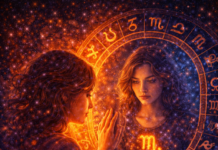
Rather than predicting events, astrology offers symbolic language. Birth charts don’t claim to dictate behavior. They describe tendencies, tensions, and recurring themes. Like a mirror, they reflect the internal landscape of a person at a specific moment in time.
What matters is not the planet.
It’s the pattern it represents.
Why Astrology Feels Personal
Astrology resonates because it organizes complexity. Human identity is layered, contradictory, and fluid. Astrology doesn’t simplify this into one answer. It offers multiple symbols that coexist, often in tension.
People recognize themselves not because astrology tells them who they are, but because it gives them language for what they already feel.
Understanding Without Finality
Unlike rigid belief systems, astrology rarely gives closure. It suggests cycles rather than conclusions. Themes return. Lessons repeat. Growth is ongoing.
This makes astrology useful not for certainty, but for reflection.
It asks questions instead of delivering answers.
Astrology as Psychological Tool
Modern astrology functions much like narrative therapy. It helps individuals frame experiences, contextualize emotions, and interpret relationships. The value lies in insight, not proof.
Pattern recognition is not about believing something is fixed.
It’s about noticing how things unfold.
Why Astrology Persists in Modern Life
In an age driven by data and metrics, astrology offers a different kind of understanding. It resists reduction. It acknowledges intuition, contradiction, and ambiguity.
People turn to astrology when life feels nonlinear.
When logic alone doesn’t explain feeling.
Destiny vs Awareness
The misconception that astrology dictates fate misses its actual function. Most astrologers emphasize choice. Charts describe conditions, not commands. Awareness expands options.
Recognizing a pattern does not trap you in it.
It allows you to change your response.
The Comfort of Cycles
Astrology reassures people that difficulty is not random. That challenges have timing. That endings are followed by beginnings. This doesn’t promise happiness.
It promises context.
Why Skepticism Misses the Point
Critics often demand astrology behave like science. But astrology isn’t measuring particles. It’s interpreting symbols. Its success isn’t in prediction accuracy.
It’s in meaning-making.
The Final Reflection
Astrology survives not because people believe the stars control them, but because people want to understand themselves within a larger rhythm. It offers a framework where personal experience fits into a wider pattern.
Not destiny written in stone.
But awareness written in cycles.
Astrology doesn’t tell you who you must become.
It helps you notice who you’ve been becoming all along.