
For centuries, the Hittites were ghosts in history. Mentioned only in scattered references, misunderstood as minor players, and often confused with myth, they were once one of the great powers of the ancient world. From the high plateaus of Anatolia, the Hittites built an empire that rivaled Egypt, challenged Mesopotamia, and mastered diplomacy long before international law had a name.
What makes their story extraordinary is not only their power, but how close they came to being completely forgotten.
A Hidden Empire Emerges
The Hittite civilization flourished between roughly 1600 and 1200 BCE, centered in central Anatolia, in what is now modern-day Turkey. Their capital, Hattusa, was a fortified city of stone walls, monumental gates, and administrative complexes spread across rugged terrain.
This was no peripheral kingdom.
It was a superpower.
Masters of Diplomacy and Law
The Hittites were among the first civilizations to record treaties as binding agreements between equals. Their peace treaty with Egypt after the Battle of Kadesh is the earliest known international treaty in history, written not as conquest, but compromise.
Power, for the Hittites, was negotiated as often as it was enforced.
An Empire Written in Clay
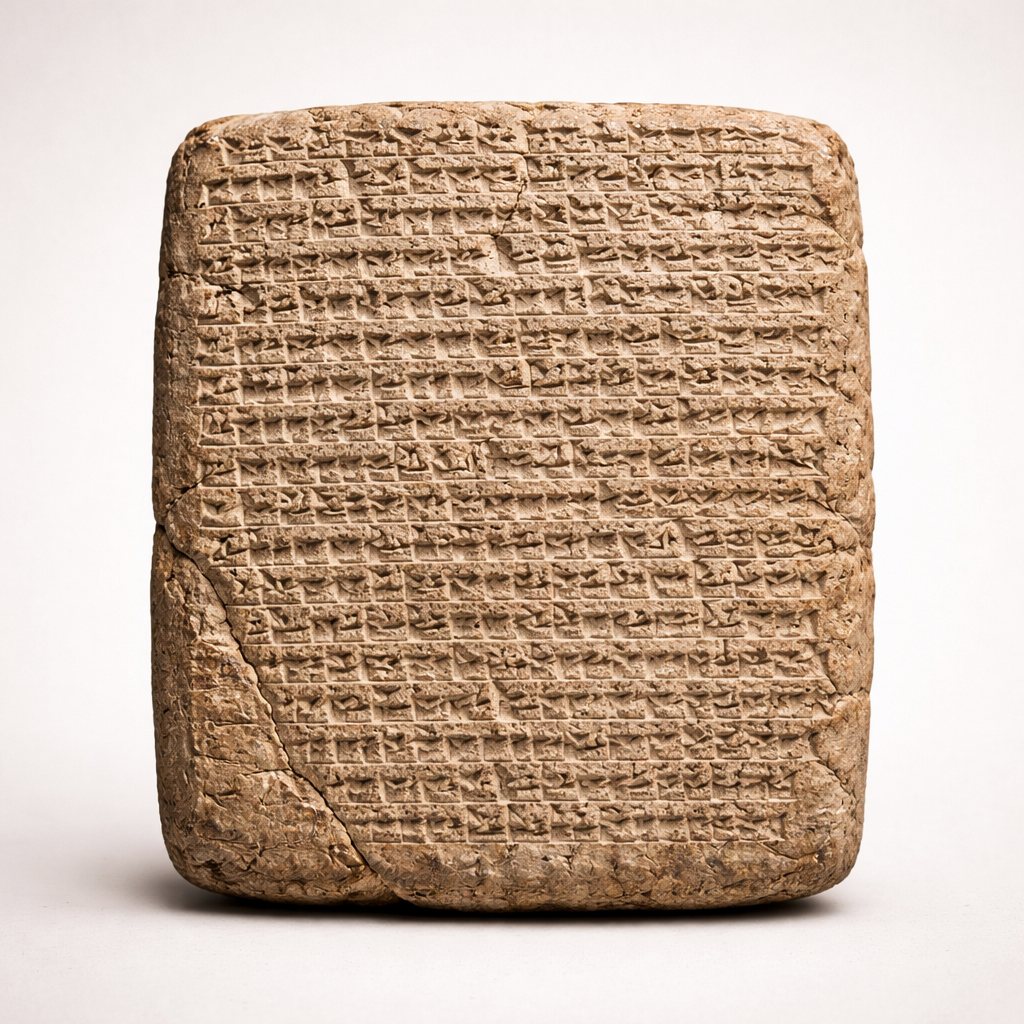
Unlike many ancient civilizations, the Hittites left behind tens of thousands of cuneiform tablets. These were not just royal inscriptions or religious texts, but legal codes, diplomatic correspondence, military records, and even personal complaints.
Their world was meticulously documented.
And then, buried.
The Archives That Disappeared
When the Hittite Empire collapsed around 1200 BCE, their cities were abandoned. Archives were left behind, sealed beneath rubble and soil. Unlike Egypt or Mesopotamia, the Hittite language disappeared entirely from living memory.
For nearly three thousand years, their records lay unread.
History forgot the people who documented themselves most carefully.
Rediscovery Through Accident
It was only in the late 19th and early 20th centuries that archaeologists uncovered the ruins of Hattusa and its vast tablet archives. When scholars finally deciphered the Hittite language, an entire civilization suddenly spoke again.
The forgotten returned.
A Collapse Without Continuity
Unlike other ancient cultures, the Hittites left no clear successors. Their political system vanished. Their language died. Their administrative knowledge was not inherited.
They didn’t evolve into something else.
They stopped.
Why the Hittites Were Erased
Part of the reason the Hittites faded is geographical. Their heartland was vulnerable to climate shifts, migrations, and trade disruptions. The Late Bronze Age collapse hit them hard. Cities burned. Networks failed. Central authority dissolved.
And without continuity, memory died.
Power Without Myth
The Hittites did not survive in epic poetry or legend. There was no Homer to preserve their kings. No religious tradition carried their names forward. They were archivists, not mythmakers.
Ironically, their precision worked against them.
What Their Silence Teaches Us
The Hittites challenge the idea that importance guarantees remembrance. They were powerful, literate, and influential, yet almost erased. Their story reminds us that history favors those who endure culturally, not just politically.
Archives alone are not enough.
The Final Reflection
The Hittites of Anatolia were not a forgotten footnote. They were a central force in shaping the ancient world, innovators of diplomacy, law, and administration. Their loss was not just a collapse of empire, but a collapse of memory.
Thanks to buried tablets and modern archaeology, their voices speak again.
But their story remains a warning:
even the most documented power can disappear if no one is left to remember it.