
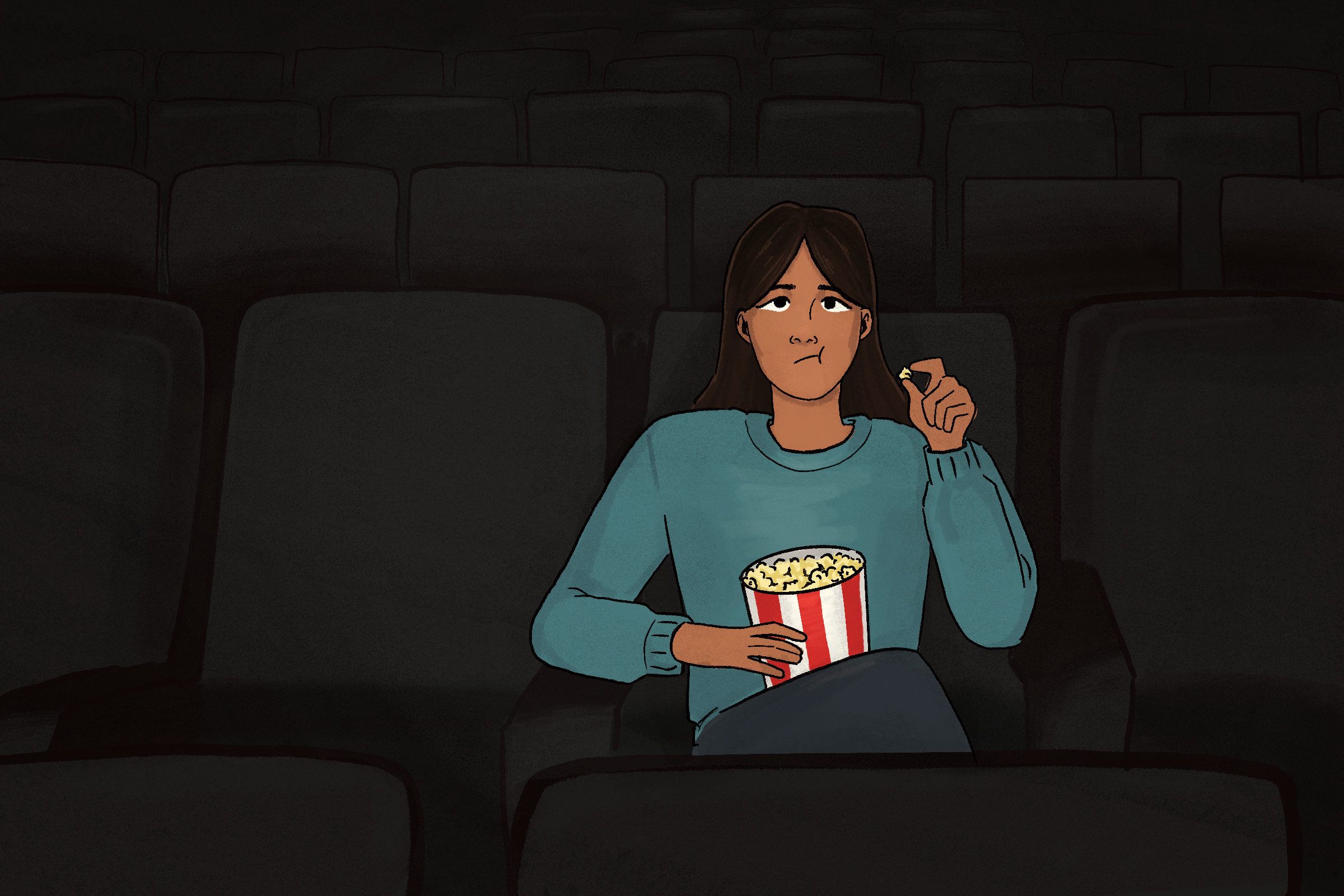
It’s a feeling many people share quietly: movies don’t hit the way they used to. The excitement feels thinner. The emotional impact fades faster. Even big-budget releases often leave viewers strangely unmoved. This reaction is often dismissed as nostalgia, a longing for youth or simpler times. But the truth is more complex, and far more structural.
Movies haven’t just changed. The conditions under which they’re made, distributed, and consumed have fundamentally shifted.
The Algorithm Changed the Goal
For most of cinema history, movies were made to move people. They succeeded or failed based on audience response over time. Word of mouth mattered. Emotional resonance mattered.
Today, many films are designed to satisfy algorithms rather than audiences. Streaming platforms optimize for completion rates, retention, and engagement metrics. The question is no longer “Will this stay with someone?” but “Will this keep them watching?”
This encourages safe storytelling, familiar beats, and predictable pacing. Surprise becomes a risk. Depth becomes optional.
Too Much Content, Not Enough Meaning
There are more movies than ever, yet fewer that feel essential. When content is abundant, attention becomes disposable. Films are released, consumed, and forgotten within days.
In the past, a movie lingered. It stayed in theaters. It entered conversation. It became part of cultural memory.
Now, films often feel like temporary distractions rather than lasting experiences.
The Decline of Emotional Risk
Older movies often took emotional risks. They trusted audiences to sit with discomfort, ambiguity, or silence. Today, many films rush to explain, soften, or resolve.
Studios fear boredom more than emptiness.
As a result, movies are louder but less intimate. Faster, but shallower. Emotional complexity is replaced by spectacle and reassurance.
Franchises Replaced Vision
Modern cinema is dominated by franchises, sequels, and cinematic universes. These structures prioritize continuity over originality. Characters must survive. Worlds must remain open for future installments.
This limits narrative stakes.
When nothing can truly end, nothing can fully matter.
The Loss of the Director’s Voice
Many classic films were shaped by strong, singular voices. Directors imposed rhythm, tone, and worldview. Today, large productions are often shaped by committees, test screenings, and brand requirements.
The result is polish without personality.
Films feel competent but anonymous.
Audiences Have Changed Too
It’s not only the industry. Audiences now watch films while multitasking, scrolling, pausing, and splitting attention. Movies are rarely experienced with full presence.
Cinema was designed for immersion. Distraction dulls impact.
When attention is divided, even good movies feel weaker.
Why Nostalgia Isn’t the Full Explanation
Yes, nostalgia plays a role. Memory softens flaws and magnifies emotion. But the disappointment many people feel today is not imagined.
Older movies were allowed to be slower, stranger, and more personal. They trusted audiences more. They were not fighting against infinite content.
The conditions favored depth.
What Still Works
When movies break through today, they often do so by rejecting these pressures. Films that take risks, allow silence, embrace ambiguity, or focus deeply on character still resonate.
The audience hasn’t lost its capacity for wonder. The system has made it harder to reach.
What We’re Really Missing
We don’t miss old movies because they were perfect. We miss how they made us feel present. How they asked for patience. How they stayed with us long after the credits.
The problem isn’t that movies got worse.
It’s that they stopped being allowed to be human.
And until cinema is given space to breathe again, that feeling will continue, no matter how advanced the technology becomes.