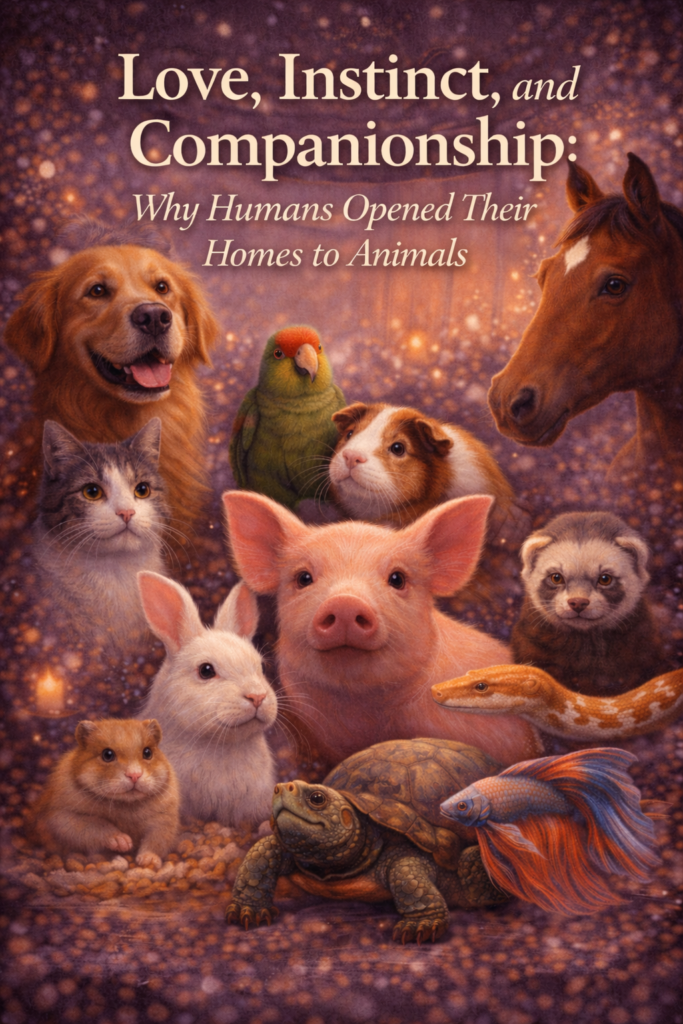


From ancient firesides to modern apartments, humans have always shared space with animals. Long before pets became part of lifestyle culture, they were partners in survival, emotional mirrors, and silent companions. Over time, certain animals didn’t just adapt to living near us. They adapted to living with us.
What draws humans to these creatures is not coincidence. It’s instinct, emotion, and connection shaped over thousands of years.
Dogs
Dogs were the first animals humans domesticated, and the bond remains unmatched. Loyal, intuitive, and emotionally responsive, dogs evolved alongside us as protectors and companions. Humans are drawn to dogs because they offer unconditional presence, emotional attunement, and a sense of belonging.
Cats
Independent yet affectionate, cats found their way into human homes through mutual benefit. Originally valued for pest control, they stayed because of their calm presence and subtle affection. Humans are attracted to cats for their mystery, grace, and ability to coexist without constant demand.
Birds
Bright, vocal, and intelligent, birds bring movement and sound into domestic life. Many species form strong bonds with humans, mimicking speech and routines. Their appeal lies in communication, beauty, and the sense of freedom they represent, even within shared space.
Fish
Fish offer tranquility rather than interaction. Watching them move through water lowers stress and creates a sense of calm. Humans are drawn to fish because they turn living spaces into meditative environments, requiring care without emotional complexity.
Rabbits
Soft, quiet, and gentle, rabbits became companions through their calm nature. They appeal to humans who value sensitivity and routine. Their presence feels peaceful, offering companionship without overstimulation.
Hamsters
Small and self-contained, hamsters fit easily into human life. They represent approachability and simplicity, especially for families. Humans are attracted to hamsters because they offer responsibility without intensity.
Guinea Pigs
Social and expressive, guinea pigs thrive on interaction. Their vocal nature and group-oriented behavior create a sense of mutual communication. Humans connect with them because they respond openly and form recognizable bonds.
Horses
Though not house pets, horses formed one of humanity’s most profound partnerships. They carried us, worked alongside us, and responded emotionally to human presence. Humans are drawn to horses for their strength, sensitivity, and deep emotional intelligence.
Ferrets
Curious and playful, ferrets bring energy and unpredictability. Their appeal lies in personality. Humans who choose ferrets are often drawn to animals that challenge routine and invite interaction.
Reptiles
Snakes, lizards, and turtles appeal to humans fascinated by ancient forms of life. Their quiet presence and distinct behaviors attract those who appreciate observation over affection. Reptiles satisfy curiosity and respect for difference.
Miniature Pigs
Highly intelligent and emotionally complex, miniature pigs connect with humans through social behavior. Their appeal comes from intelligence and familiarity, they feel emotionally close while remaining unconventional.
Exotic Small Mammals
Animals like hedgehogs or sugar gliders entered human homes through niche fascination. Humans are drawn to them for uniqueness, novelty, and the desire to care for something rare yet vulnerable.
At the heart of it all is the same truth. Humans are drawn to animals that reflect something we need. Comfort. Loyalty. Calm. Curiosity. Purpose.
Pets are not accessories or trends. They are relationships shaped by time, empathy, and shared survival. We didn’t just domesticate animals. In many ways, they domesticated us too.