
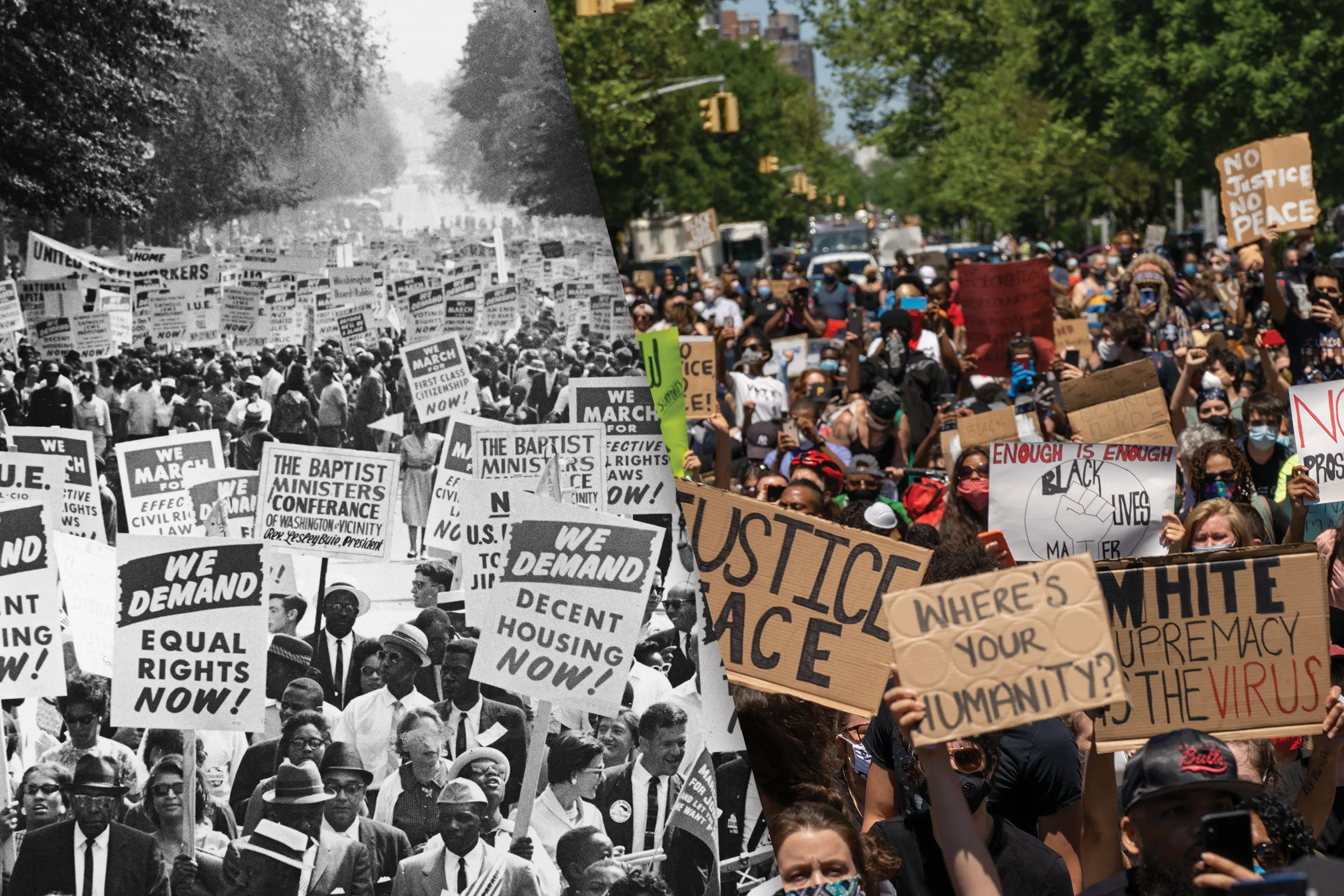
History rarely repeats itself word for word. It echoes. Patterns resurface with new faces, new technologies, and new slogans, but the emotional architecture remains uncannily familiar. Periods of uncertainty, social division, economic strain, and rapid change have appeared again and again, each time convincing those living through them that this moment is unprecedented. And yet, the rhythm is recognizable.
One of the clearest repetitions appears during times of transition. Empires rise, stabilize, overextend, and fracture. We saw it in ancient Rome, in medieval kingdoms, in colonial powers, and in modern superstates. The details differ, but the signs are consistent: widening inequality, loss of trust in institutions, political polarization, and a population caught between nostalgia and fear of what comes next.
Technology often accelerates these cycles. The printing press once disrupted religious authority and spread radical ideas at unprecedented speed. Today, digital media does the same, magnifying voices, distorting truth, and collapsing the distance between information and reaction. Just as pamphlets once fueled revolutions and panic, social platforms now shape public emotion in real time. The medium changes, the effect does not.
Economic pressure is another repeating force. Inflation, debt, resource scarcity, and labor unrest appear in nearly every historical turning point. From the bread riots of pre-revolutionary France to the Great Depression of the twentieth century, financial instability has always reshaped social order. Today’s global cost-of-living crises, housing shortages, and job insecurity follow the same psychological pattern: anxiety, anger, and a search for someone or something to blame.
Periods of cultural anxiety also repeat. History shows that when societies feel threatened, they often turn inward, questioning identity, values, and belonging. Art becomes darker or more symbolic. Religion and ideology harden. Scapegoats emerge. We have seen this during the fall of ancient civilizations, during world wars, and during pandemics. The current moment, marked by global health crises, climate instability, and mass migration, fits squarely into this historical mold.
Yet history also repeats something else that is often overlooked: resilience. After plagues came renaissances. After wars came reconstruction. After collapse came reinvention. Human societies do not simply survive disruption, they adapt through it. New philosophies emerge. New systems replace failing ones. New art gives language to collective trauma.
What makes this moment feel especially intense is its global scale. Previous generations experienced upheaval locally or regionally. Today, crises ripple instantly across borders. A war, a virus, or a financial shock in one place is felt everywhere. The repetition of history is no longer staggered. It is synchronized.
Understanding history’s patterns does not mean surrendering to them. It offers perspective. When we recognize the signs, fear loses some of its power. We begin to see our moment not as an ending, but as a passage, one humanity has navigated many times before.
History does not repeat to trap us. It repeats to remind us. The question is not whether we have been here before, but whether we are willing to learn what those before us left behind.