

In the middle of a calm, hot ocean, something begins to breathe.
The air thickens. The water warms. The sky folds into itself.
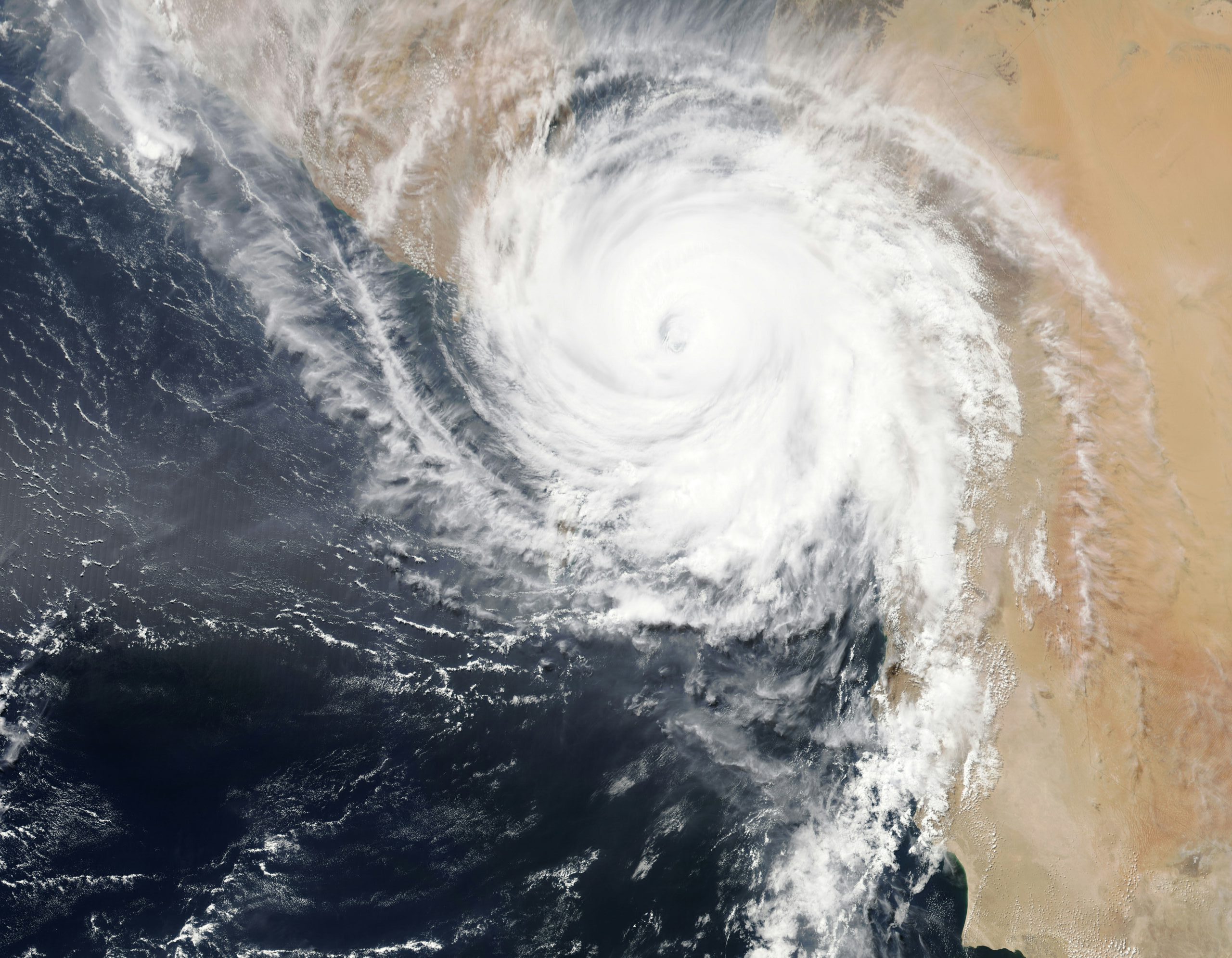
From far above, satellites see it first: a spiraling monster with a clear, eerie “eye” at its center.
On the ground, people feel the pressure drop, the winds rise, and the sea slowly climb the shore.
We call it different names—hurricane, cyclone, typhoon—but it is the same terrifying force of nature: a giant rotating storm born over warm water, powered by heat, capable of rewriting entire coastlines in a single night.
One storm, many names
The storm itself doesn’t care what we call it.
But humans do, and the name depends on where it forms:
– Hurricane: over the Atlantic Ocean and the eastern Pacific
– Typhoon: over the western Pacific
– Cyclone: over the Indian Ocean and the South Pacific
They are all the same type of storm: a powerful tropical cyclone, with a swirling structure, fierce winds, and heavy rain wrapped around a central eye.
How a monster is born
It doesn’t start as a monster. It starts as a disturbance—clusters of thunderstorms drifting over warm ocean water. But the ocean is holding a secret weapon: heat.
-
Warm water as fuel
Hurricanes, cyclones, and typhoons feed on warm oceans, usually at least 26–27°C (around 80°F) at the surface. Warm water evaporates, sending moist, warm air upward. -
Rising air and falling pressure
As warm air rises, it cools and condenses into clouds and rain, releasing more heat into the atmosphere.
That heat makes the air rise even more, lowering the pressure below.
Lower pressure pulls in more air at the surface, which also becomes warm and moist—and the cycle intensifies. -
The spin of the Earth
The rotation of the Earth twists the incoming air, giving the storm its spin.
In the Northern Hemisphere, storms rotate counterclockwise; in the Southern Hemisphere, clockwise.
Over time, if the conditions stay just right—warm water, moist air, low wind shear—the storm organizes into a massive, spinning engine of heat and wind.
The anatomy of a tropical giant
From the outside, a mature hurricane or typhoon can stretch hundreds of kilometers across. Inside, it has a structure both beautiful and deadly:
– The eye:
A strange, often calm center, sometimes with blue sky visible. Winds are light here, and the air is sinking. Do not be fooled; it is a quiet heart surrounded by chaos.
– The eyewall:
This is the ring of towering thunderstorms wrapped tightly around the eye. Here, the strongest winds and heaviest rains roar. When the eyewall passes over, buildings are tested, trees are ripped out, and anything not anchored can become airborne.
– Rainbands:
Long, curved bands of clouds and thunderstorms spinning out from the center. They bring heavy rain, gusty winds, and sometimes tornadoes.
Not just wind: the three-headed danger
When people think of hurricanes, they often imagine only the wind. But the real threat comes from a deadly combination of three forces:
-
Storm surge
The storm’s low pressure and strong winds push seawater toward the shore, raising the level of the ocean.
This “mountain of water” can flood coastal areas, smashing homes, destroying roads, and turning streets into violent rivers.
In many storms, storm surge is the main killer. -
Wind
The powerful rotating winds—sometimes over 200 km/h (125 mph) in the strongest storms—can:
– Tear roofs off buildings
– Shatter windows
– Topple power lines and trees
– Turn everyday objects into dangerous projectiles -
Rain and inland flooding
Hurricanes and typhoons carry immense amounts of moisture. When they move slowly or stall, they can dump days of relentless rain over one region.
Rivers swell, dams strain, and neighborhoods far from the coast find themselves underwater.
You can survive the wind and the surge, only to be trapped by rising water days after the eye has passed.
The human footprint: storms in a warming world
Tropical cyclones are natural events and have been shaping coasts and ecosystems for millions of years. Mangrove forests, barrier islands, and coral reefs all evolved in a world where these storms exist.
But today, human activity is changing the background conditions:
– Warmer oceans mean more energy available for storms.
– Higher sea levels make storm surges more dangerous, reaching farther inland.
– Rapid coastal development puts more people and buildings directly in the path of these storms.
Scientists are still studying how exactly climate change affects the frequency and intensity of hurricanes and typhoons, but there is growing evidence that:
– The strongest storms may be getting stronger.
– Heavy rainfall during storms is increasing.
– Slow-moving, rain-heavy storms may become more common.
We are, in many ways, placing more fragile structures directly in front of stronger storms.
Can we calm the storm? No. Can we survive it? Yes.
We cannot drain the ocean’s heat. We cannot switch off the spin of the Earth. We cannot “stop” hurricanes, cyclones, or typhoons.
But we can choose how we build, where we live, and how we prepare. That is where human power truly lies.
Some of the most effective protections include:
– Strong building codes in coastal and storm-prone regions
– Elevated structures and proper flood planning
– Early warning systems and accurate forecasting
– Evacuation routes and clear communication from authorities
– Public education on what to do before, during, and after a storm
Preparation turns a deadly mystery into a difficult—but survivable—event.
The emotional storm
Beyond broken windows and flooded streets, these storms leave emotional scars:
– Families separated or displaced
– Communities grieving lost loved ones
– Generations who remember “that storm” as a dividing line in their lives: before and after
And yet, after the wind dies and the water retreats, something else appears too: resilience.
Neighbors share food, strangers help clear debris, volunteers travel across countries to rebuild homes they will never live in.
The storm shows us how vulnerable we are—and how strong we can be together.
Living under a restless sky
Hurricanes, cyclones, and typhoons are part of the Earth’s great heat engine, moving energy from the tropics toward the poles. They are not villains in the story of the planet; they are characters that have always been here.
But for the people in their path, they are nights of fear, days of uncertainty, and years of rebuilding.
The ocean will keep growing its storms.
The sky will keep spinning its spirals.
Our task is to learn, to adapt, and to respect the power of the warm sea and the turning Earth—so that when the next great eye appears on the satellite screen, we are not helpless beneath it, but ready.