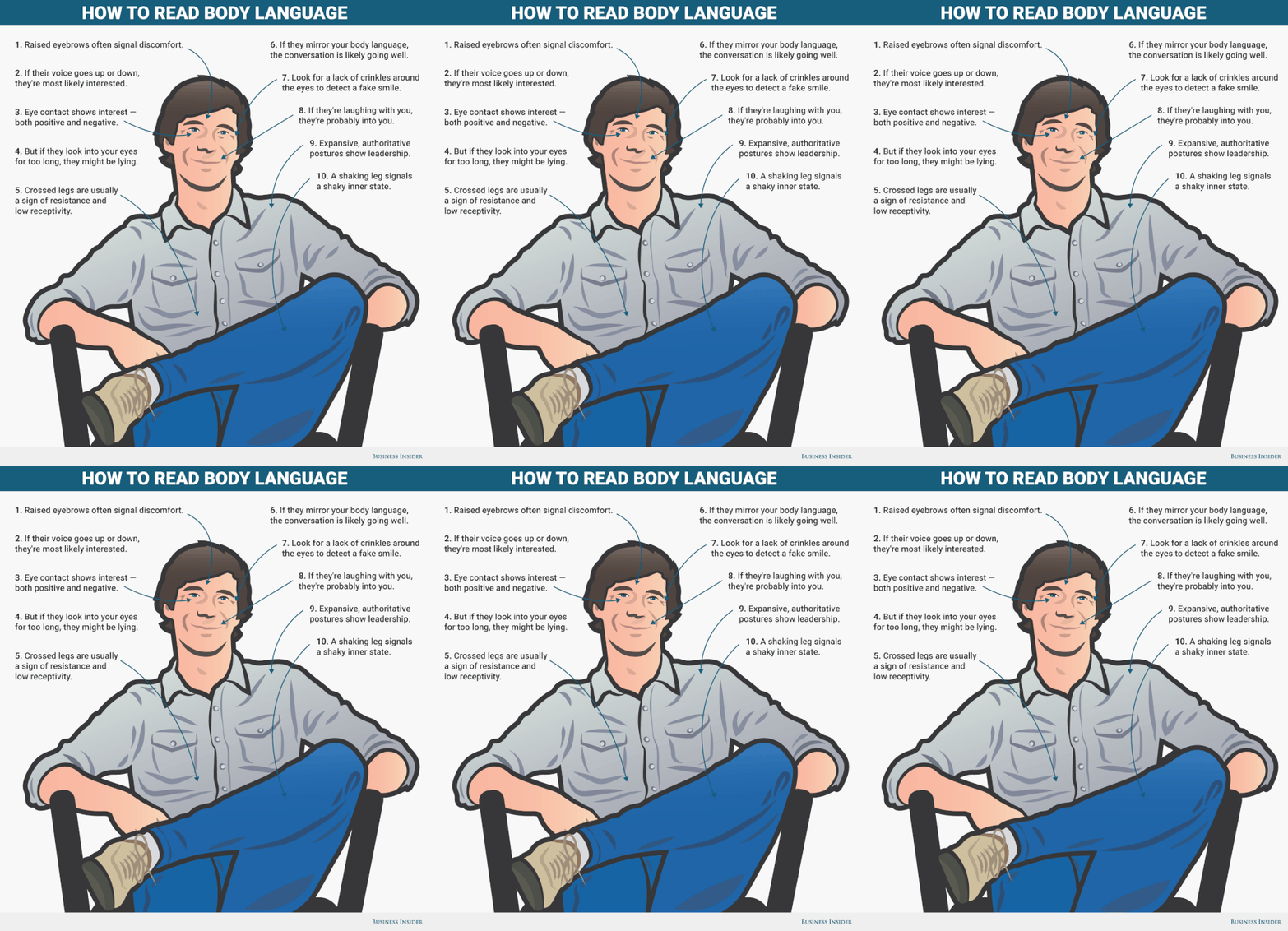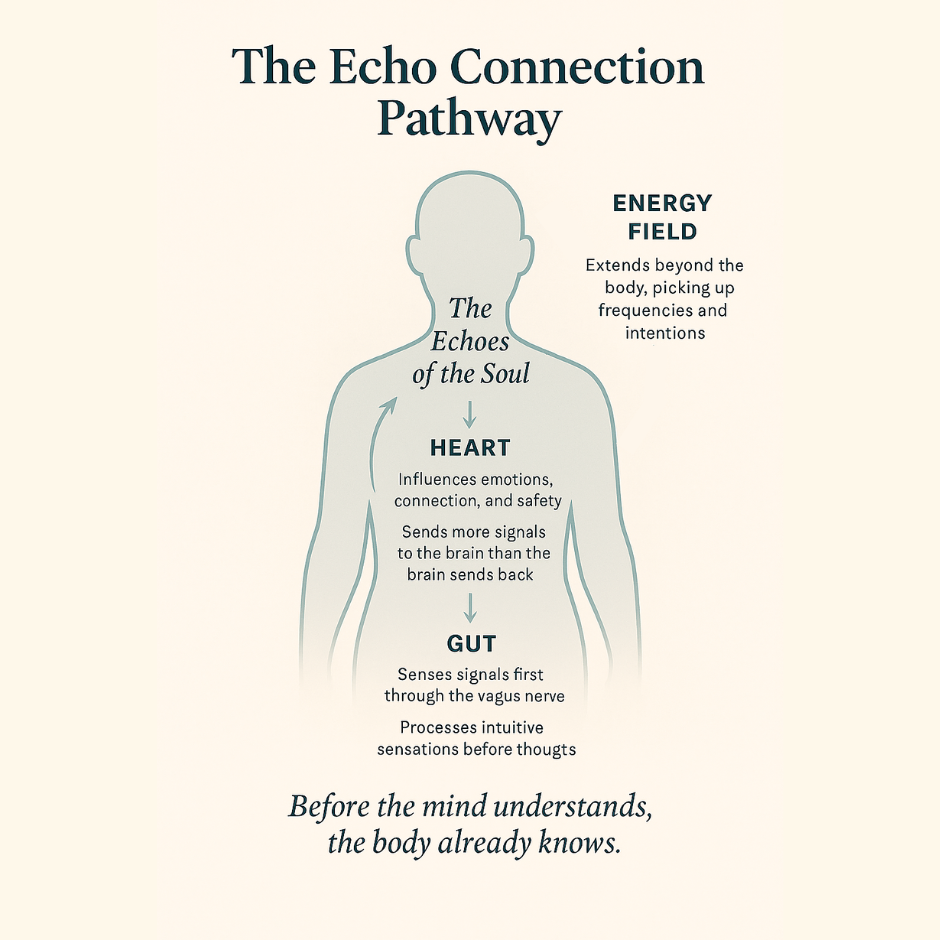


Your body speaks long before your mouth does. It tightens. It pulls back. It hesitates. It floods you with unease that has no immediate words.
And yet, many people override it.
They smile. They agree. They commit. They show up anyway.
Saying yes when your body is saying no is one of the most common ways people abandon themselves without realizing it.
The Body Registers Truth Faster Than Language
Your nervous system processes information constantly. Tone, context, power dynamics, memory, risk. It does this faster than conscious thought.
That knot in your stomach isn’t drama.
That heaviness in your chest isn’t imagination.
That sudden fatigue isn’t laziness.
It’s your body recognizing misalignment before your mind has assembled a justification.
Ignoring that signal doesn’t make you rational.
It makes you disconnected.
Discomfort Is Not Always Fear
Many people dismiss bodily resistance as anxiety or weakness. They assume discomfort must be overcome.
But not all discomfort is fear.
Some discomfort is discernment.
Fear says, “I might fail.”
The body’s no says, “This isn’t right for me.”
Learning the difference matters. Fear often feels sharp and urgent. Bodily refusal feels heavy, constricting, and persistent.
One asks for courage.
The other asks for boundaries.
Overriding the Body Has a Cost
The first time you ignore your body, the consequence is subtle. The tenth time, patterns form.
Chronic tension
Unexplained exhaustion
Irritability
Burnout
Loss of appetite or sleep
These aren’t random symptoms. They’re the body escalating its message after being ignored repeatedly.
When you don’t listen early, the body speaks louder later.
People-Pleasing Starts in the Body
Saying yes against bodily resistance often comes from external pressure. Obligation. Politeness. Fear of disappointing others.
You override your body to keep things smooth. To avoid awkwardness. To maintain approval.
But your body pays the price for that smoothness.
Every yes spoken against yourself teaches your system that safety depends on compliance. Over time, this creates chronic stress even in “normal” situations.
The Body Remembers What the Mind Excuses
You may talk yourself into a decision logically. It makes sense on paper. Others approve. It fits expectations.
But the body remembers the moment it said no.
It remembers crossing its own boundary.
It remembers being ignored.
That memory shapes future reactions. You become more guarded, more tired, less present.
The body keeps a ledger you can’t negotiate with.
Listening to the Body Is a Skill
Many people were taught early to override physical signals. Don’t cry. Don’t rest. Don’t complain. Push through.
Relearning how to listen takes practice.
Start small.
Notice where you tense when you say yes.
Notice how your body feels after agreeing.
Notice relief when you cancel something your body never wanted.
These signals are consistent once you pay attention.
You Don’t Need a Logical Explanation to Say No
One of the biggest myths is that no must be justified intellectually.
Sometimes the only reason is: my body says no.
That is enough.
You are not required to translate physical wisdom into language others approve of. Boundaries don’t need consensus.
If something costs you peace, energy, or safety, your body has already done the math.
Saying No Is Preventative Care
Listening to your body early prevents much larger breakdowns later. Illness. Burnout. Emotional collapse.
The body’s no is not an obstacle.
It’s maintenance.
Respecting it keeps you available for the things that actually matter.
Alignment Feels Different Than Obligation
When you say yes in alignment, even difficult things feel grounded. There’s effort, but not inner resistance.
When you say yes against your body, even simple things feel draining.
That contrast is your compass.
Trust it.
You Are Allowed to Choose Yourself
You are allowed to disappoint expectations.
You are allowed to change your mind.
You are allowed to prioritize safety over politeness.
Listening to your body is not selfish. It’s intelligent.
Your body is not trying to limit your life.
It’s trying to protect it.
Don’t ever say yes when your body is saying no.
That no is not weakness.
It’s the most honest voice you have.
And learning to trust it is one of the most powerful forms of self-respect.