Fashion is entering a recalibration phase. After years of extremes, novelty overload, and trend fatigue, the coming year signals a shift toward intention, longevity, and expressive restraint. Clothes are still making statements, but they’re doing it with more confidence and less noise.
The trends ahead are not about chasing the next viral moment. They’re about building a wardrobe that feels grounded in reality while still looking forward.
Quiet luxury, louder presence
Logos are fading. Craftsmanship is returning.
The coming year continues the rise of understated luxury: clean lines, refined tailoring, and materials that speak through texture rather than branding. This isn’t minimalism for the sake of austerity. It’s confidence without explanation.
Clothes that fit well, feel substantial, and age beautifully are becoming status symbols in themselves.
Oversized, but intentional
Oversized silhouettes aren’t going anywhere, but they’re evolving.
The next wave focuses on structure rather than slouch. Broad shoulders, elongated coats, relaxed trousers, and fluid layers create drama without chaos. Volume is balanced with tailoring, so proportions feel deliberate, not accidental.
Comfort and presence are finally aligning.
Natural tones with strategic contrast
Color palettes are grounding themselves.
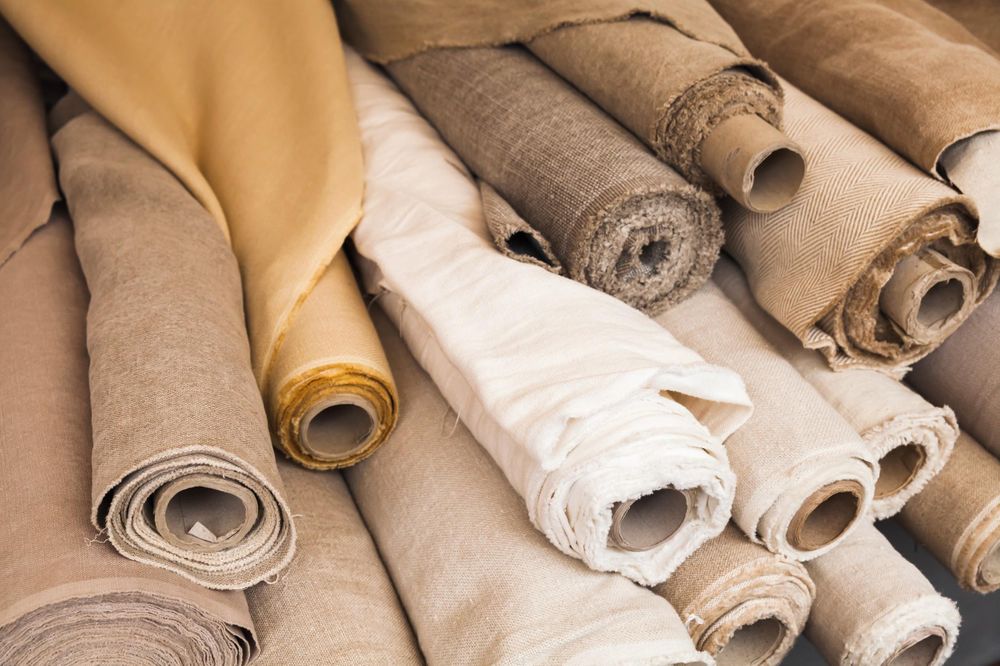
Expect to see earthy neutrals dominate: sand, stone, clay, olive, charcoal, and deep brown. These shades create calm foundations that mix easily across seasons.
Against this neutrality, contrast becomes powerful. One bold color. One unexpected texture. One standout accessory. The effect is controlled, not overwhelming.
Sustainability becomes standard, not special
Eco-conscious fashion is no longer a niche trend. It’s becoming the baseline.
Natural fibers, recycled materials, and transparent sourcing are increasingly expected rather than celebrated. The conversation is shifting from “is this sustainable?” to “why wouldn’t it be?”
Fast fashion aesthetics are losing credibility as durability and repairability gain value.
Tailoring makes a comeback
After years of hyper-casual dressing, tailoring is reasserting itself.
Not stiff or formal, but relaxed and adaptable. Blazers worn over knits. Trousers paired with sneakers. Dresses shaped by construction rather than decoration.
Structure brings clarity back into wardrobes without sacrificing comfort.
Statement accessories with restraint
Accessories are stepping into focus, but with precision.
Sculptural jewelry, architectural bags, bold belts, and intentional footwear anchor outfits without overpowering them. Instead of piling on trends, the coming year favors one strong piece that carries the look.
Accessories become punctuation, not clutter.
Gender fluidity continues to expand
Fashion is further dissolving rigid categories.
Cuts, fabrics, and silhouettes are increasingly designed without strict gender rules. What matters is fit, movement, and expression.
This shift isn’t performative. It’s practical. People want clothes that adapt to them, not the other way around.
Texture over print
Prints aren’t disappearing, but texture is taking the lead.
Wool, linen, leather, silk, denim, and knits add visual interest without visual noise. Layering textures creates depth that photographs well and wears even better.
The tactile experience of clothing is regaining importance.
What this says about the moment
These trends reflect a broader cultural shift.
People are tired of excess. They want clarity. They want clothes that support real lives, not just social media moments. Fashion is responding by slowing down, sharpening focus, and rediscovering purpose.
The coming year isn’t about reinvention.
It’s about refinement.
And the most dominant trend of all may be this: wearing clothes that feel like they belong to you, not to a season.