

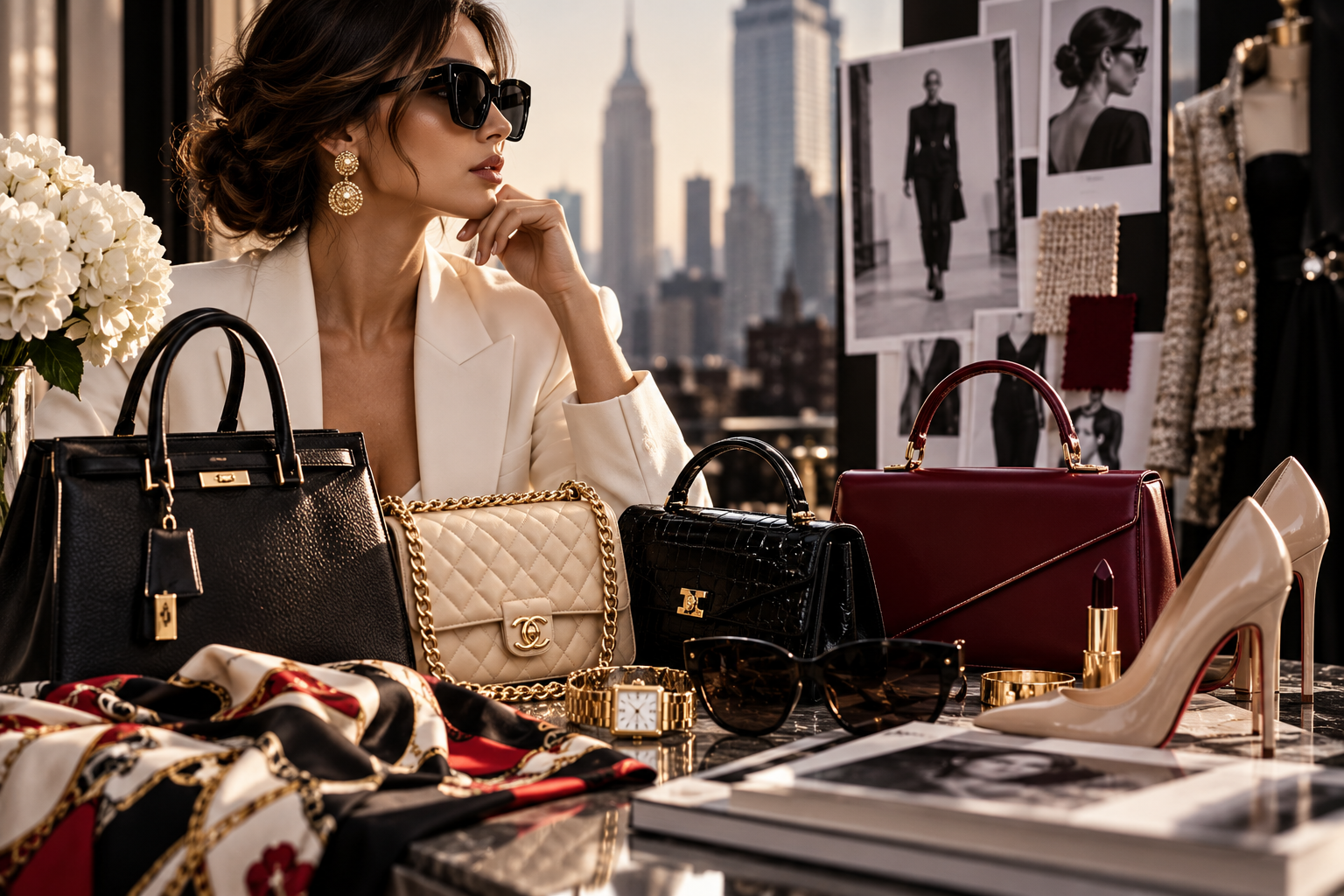
In fashion, bags are often treated as accessories. In reality, they are anchors. A bag doesn’t just complete an outfit, it grounds it. It carries function, symbolism, and intention, often saying as much about the wearer as the clothes themselves.
In the fashion industry, bags sit at the intersection of utility and identity. That is why matching matters.
More Than Storage
A bag is the one item that moves consistently through a person’s day. Clothes may change, shoes may be swapped, but the bag remains close. It holds personal objects, private necessities, and daily tools. Because of this intimacy, bags become extensions of the wearer rather than decorations.
Designers understand this. That’s why some of the most iconic fashion items in history are bags, not dresses.
A bag is worn, lived with, and relied upon.
The Bag as a Style Signal
Bags communicate intention instantly. Structured bags suggest order, professionalism, and control. Soft, slouchy bags suggest ease, creativity, and flexibility. Mini bags communicate playfulness or statement-making. Large totes suggest readiness and practicality.
Before a word is spoken, a bag frames how the outfit is read.
Matching does not mean identical. It means coherent.
Why Matching Matters
Matching a bag to an outfit is not about perfection. It’s about alignment. When a bag fits the mood, scale, and purpose of an outfit, the look feels intentional rather than accidental.
An elegant outfit paired with a casual bag can undermine its polish. A relaxed outfit paired with a rigid bag can feel forced. The bag sets the tone.
When the match works, the entire look settles into balance.
Color and Harmony
Color is one of the most obvious ways bags interact with clothing. A bag can echo a shade already present in the outfit or intentionally contrast it. Both approaches work when done thoughtfully.
Neutral bags provide versatility and longevity. Statement bags inject personality. Matching here is about knowing when the bag should support the outfit and when it should lead it.
A bag doesn’t need to match shoes anymore, but it should belong in the same visual conversation.
Scale and Proportion
One of the most overlooked aspects of matching is proportion. A bag’s size should relate to the outfit’s silhouette and the wearer’s frame. Oversized bags pair best with relaxed or structured outfits that can hold visual weight. Small bags work with streamlined looks where they won’t feel lost.
When proportion is off, even expensive pieces can feel disconnected.
Occasion and Function
The fashion industry places enormous importance on context. A bag chosen without regard for function often feels wrong, no matter how beautiful it is.
Day bags, work bags, evening bags, and travel bags all carry different visual expectations. Matching a bag to the occasion signals awareness and ease.
Fashion feels most confident when it looks prepared.
The Bag as a Brand Marker
In luxury fashion, bags often carry more brand recognition than clothing. They are entry points into fashion houses and symbols of craftsmanship and heritage.
Because of this, the bag can sometimes overpower the outfit. Matching becomes essential to prevent the look from feeling logo-driven or unbalanced.
The goal is integration, not dominance.
Emotional Consistency
Beyond aesthetics, bags carry emotional cues. A well-matched bag makes the wearer feel composed. It reduces friction. It supports movement through the day.
When something feels off, it often is.
Matching is as much about feeling right as looking right.
Bags as Long-Term Style
Unlike trend-driven clothing, bags tend to stay in wardrobes longer. They become familiar, worn-in, and personal. This makes thoughtful matching even more important.
A versatile bag earns its place by working across outfits and seasons. It adapts without demanding attention.
True style longevity often lives in the bag collection.
The Quiet Power of the Right Bag
When a bag is well-matched, it doesn’t call attention to itself. It allows the outfit, and the person wearing it, to speak clearly.
That quiet coherence is what elevates style from assembled to intentional.
In the fashion industry, bags are not finishing touches. They are foundational pieces. And when chosen with care, they don’t just carry belongings.
They carry the look.



Really impressed with the customer support here. They answered my questions about the deposit process in minutes. phd63com is definitely one of the more trustworthy options out there.
I hav readd so many articles conherning the blogger loovers but this pot is genuinely a fastidius post, keep
it up. xnxx