
Fashion once moved with the rhythm of the seasons. Then it learned to sprint.
Trends began arriving weekly, not yearly. Clothes were designed to be noticed briefly, worn quickly, and discarded quietly. For a while, speed felt exciting. Choice felt endless. But beneath the abundance, something hollow took root.
Today, that illusion is wearing thin.
Eco-friendly fashion is no longer about compromise or virtue signaling. It is about endurance. And endurance, in a culture exhausted by excess, has become deeply desirable.
When trends lost their authority
Trends used to guide style. Now they often overwhelm it.
Fast fashion trained consumers to chase novelty rather than develop taste. The result was closets full of clothes and nothing to wear. Garments that photographed well but aged poorly. Fabrics that weakened after a few washes. Identity reduced to what was momentarily popular.
The backlash did not come from austerity. It came from fatigue.
People grew tired of replacing instead of keeping, buying instead of choosing, and owning without attachment. Trend saturation didn’t democratize style. It diluted it.
Durability as a form of rebellion
Choosing clothes that last has quietly become an act of resistance.
A well-made coat worn for ten years says something powerful in a culture obsessed with “new.” It signals discernment. It signals confidence. It signals independence from external approval.
Durability requires attention to materials, construction, and fit. It favors natural fibers that breathe, age, and repair well. It values seams, stitching, and weight over branding.
In this way, eco-friendly fashion returns to an older truth. Clothing was once meant to accompany a life, not expire within a season.
Slow fashion and the return of intention
Slow fashion is not about buying nothing. It is about buying deliberately.
It asks different questions before a purchase. How was this made? Who made it? Will it still feel right years from now? Can it be repaired? Does it align with how I actually live?
These questions slow the impulse, but sharpen the outcome.
A smaller wardrobe built intentionally often offers more freedom than an overflowing one built impulsively. Every piece earns its place. Every choice feels grounded.
Why “less” became stylish again
Minimalism in fashion is not about uniformity. It is about coherence.
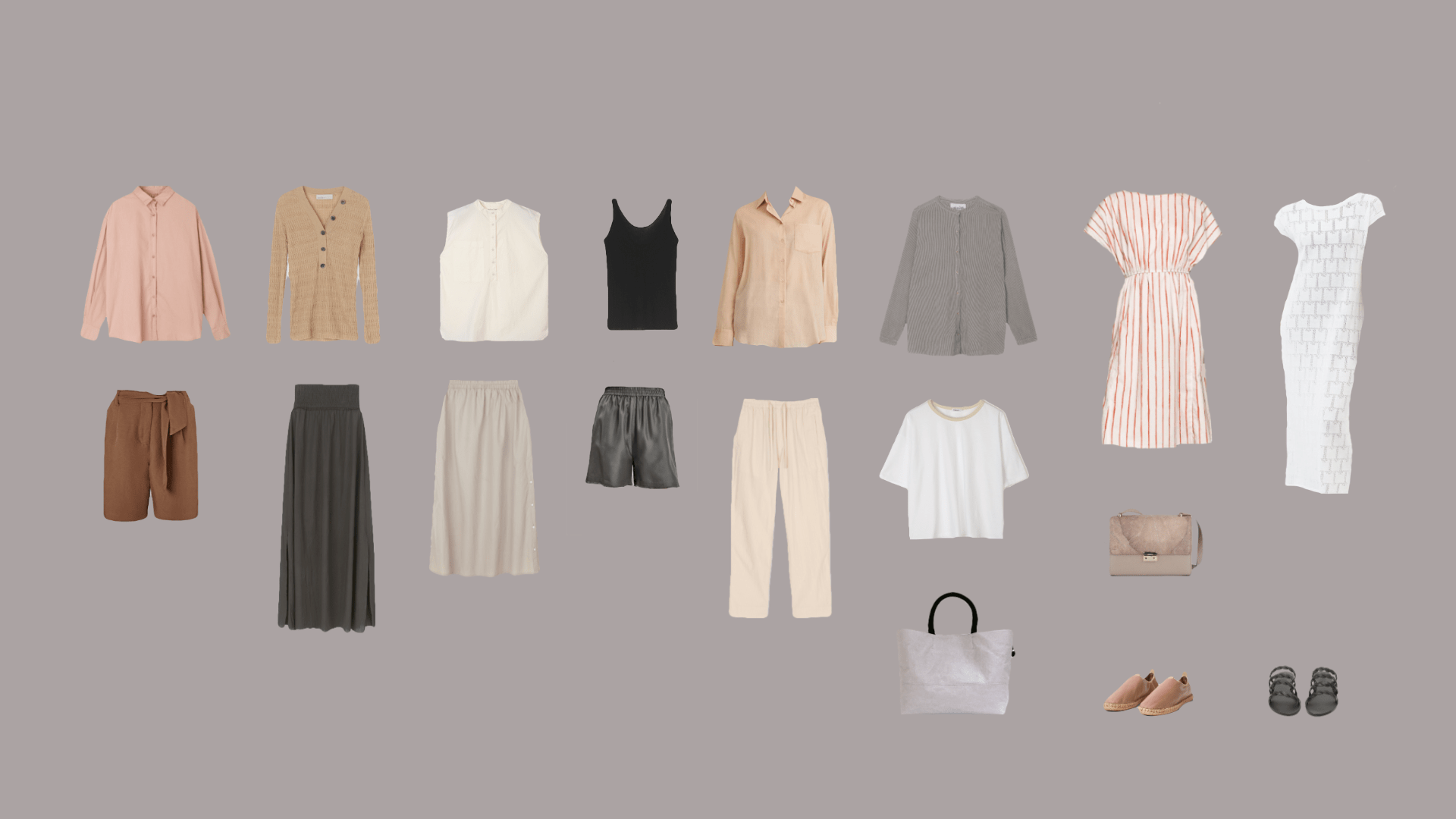
Timeless wardrobes rely on proportion, texture, and versatility rather than spectacle. Neutral palettes mixed with personal accents. Classic silhouettes adapted to modern bodies. Clothes that move between settings without announcing themselves.
This approach does not erase personality. It refines it.
When clothing stops shouting, the person wearing it becomes visible again.
The environmental intelligence of timeless design
From an environmental perspective, longevity matters more than almost any other factor. A garment worn hundreds of times has a radically smaller footprint than one worn five.
Timeless design extends life cycles. Repair culture brings clothes back into relationship with their owners. Natural fibers biodegrade. Quality reduces replacement.
Eco-friendly fashion succeeds not because it is perfect, but because it is slower, smarter, and more human.
Fashion as memory, not disposal
The most sustainable wardrobes are filled with stories.
A jacket that traveled continents. Shoes repaired more than once. A dress that adapted to different chapters of life. These pieces gain emotional value over time, making them harder to discard and easier to cherish.
Fast fashion offered endless beginnings with no continuity. Timeless fashion offers continuity with fewer beginnings.
And continuity feels grounding in an unstable world.
The future of style
Fashion is not disappearing. It is maturing.
As awareness grows, status will shift away from quantity toward quality, away from trend fluency toward self-knowledge. Style will once again reflect inner clarity rather than external pressure.
Eco-friendly fashion that lasts is not nostalgic. It is forward-thinking.
Because the most modern thing a person can wear now is intention.