

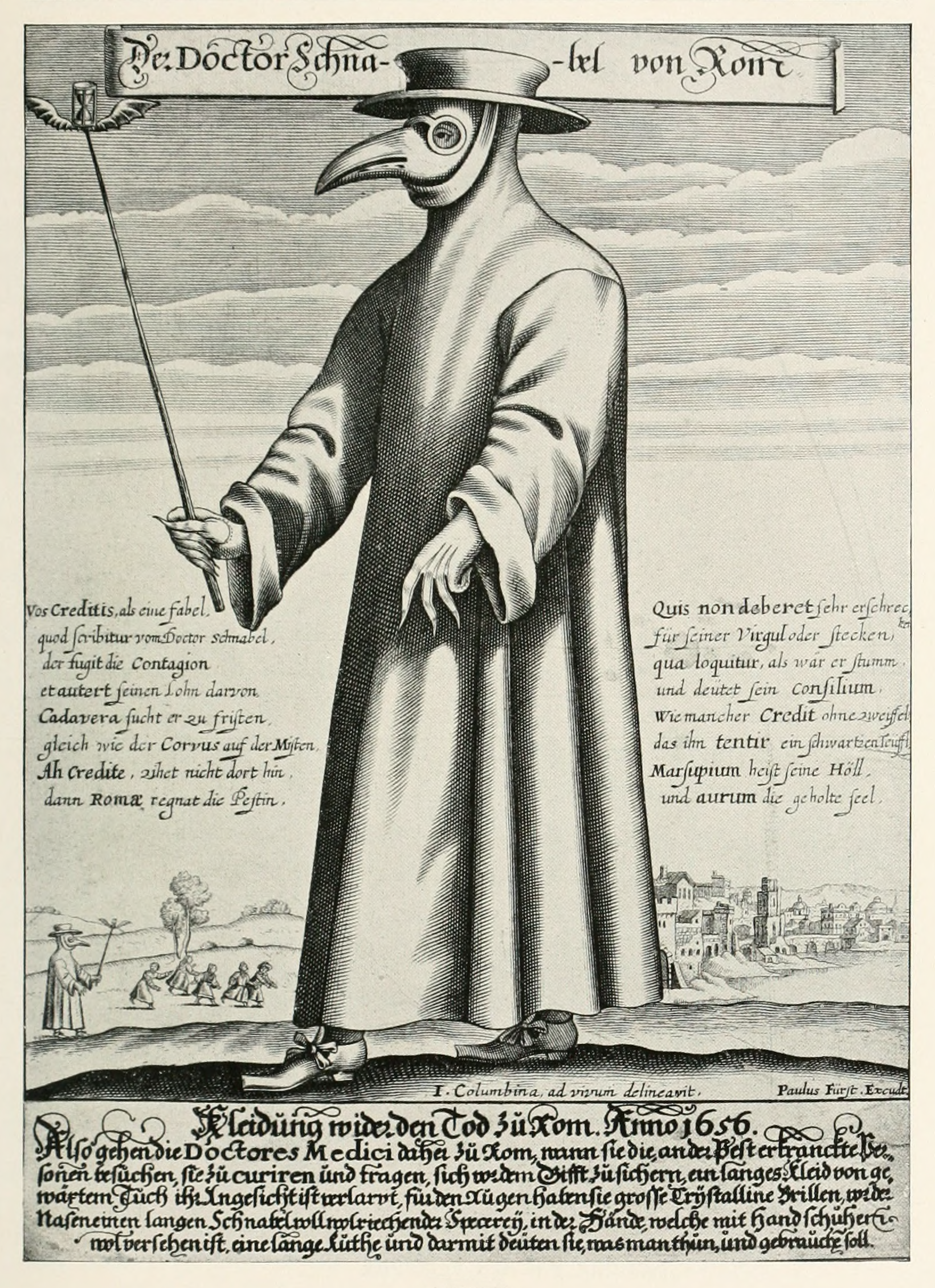
Long before laboratories, vaccines, and microscopes, disease was one of the most powerful forces shaping human history. Pandemics did not simply kill. They reordered societies, collapsed belief systems, transformed art, altered politics, and rewired how people related to one another. Illness became a silent ruler, issuing commands no empire could ignore.
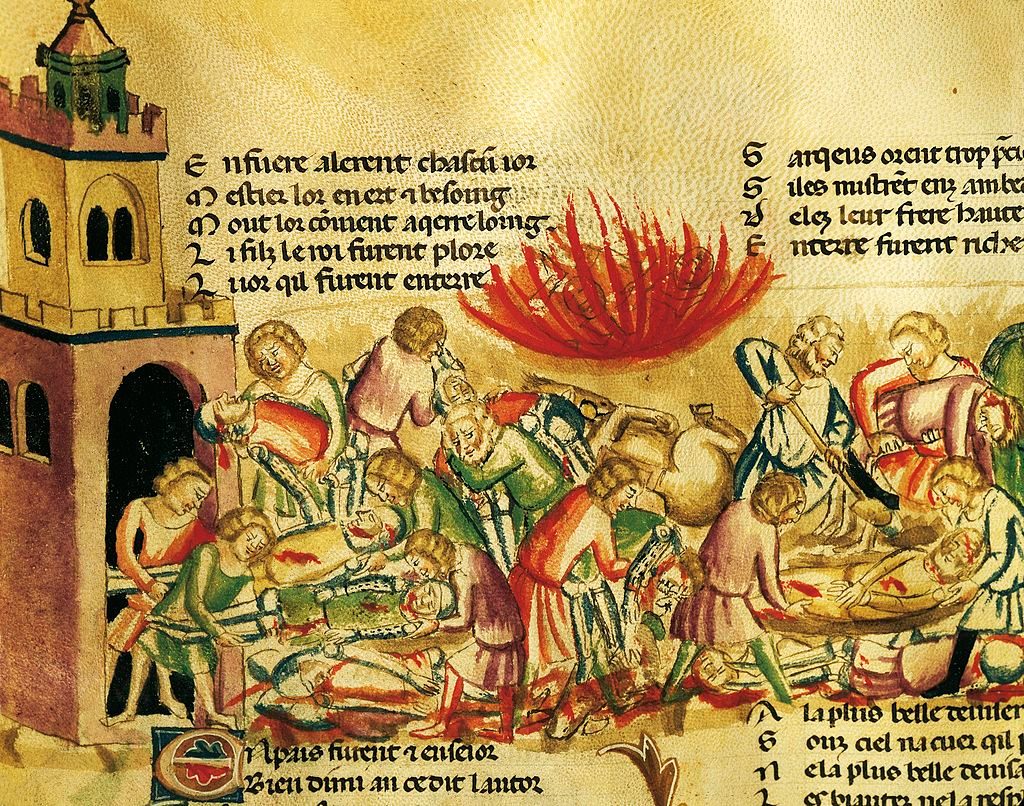
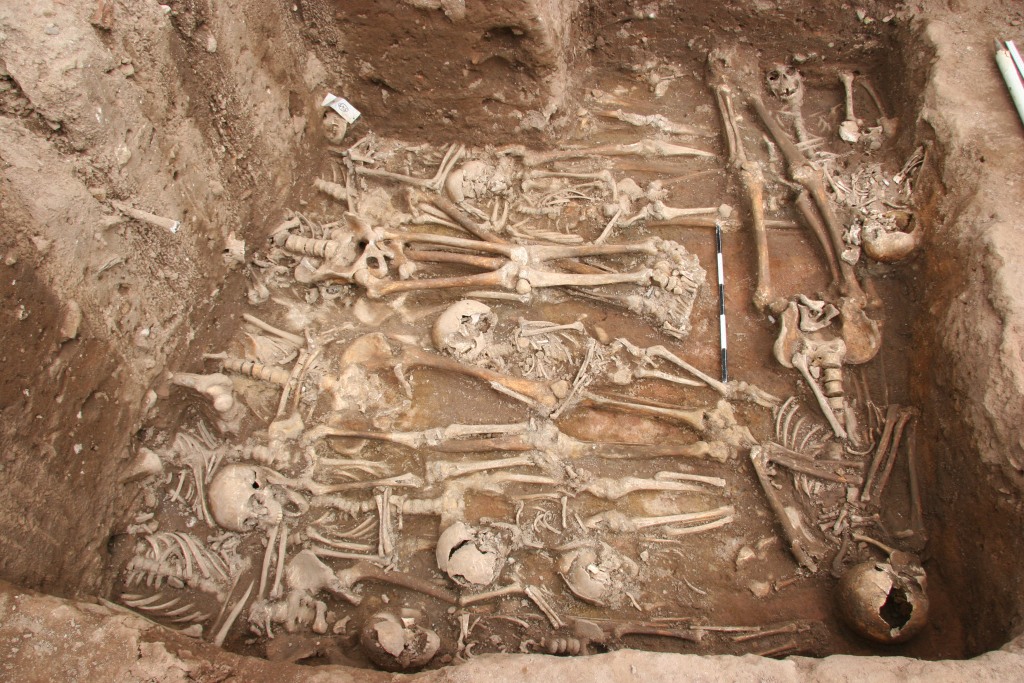
One of the most devastating examples was the Black Death of the 14th century. Sweeping across Europe, North Africa, and parts of Asia, it wiped out an estimated one third of Europe’s population. Entire villages vanished. Fields lay abandoned. The social order cracked under the weight of loss. With labor scarce, surviving workers demanded wages and rights previously unthinkable. Feudal systems weakened, not through revolution, but through bacteria.
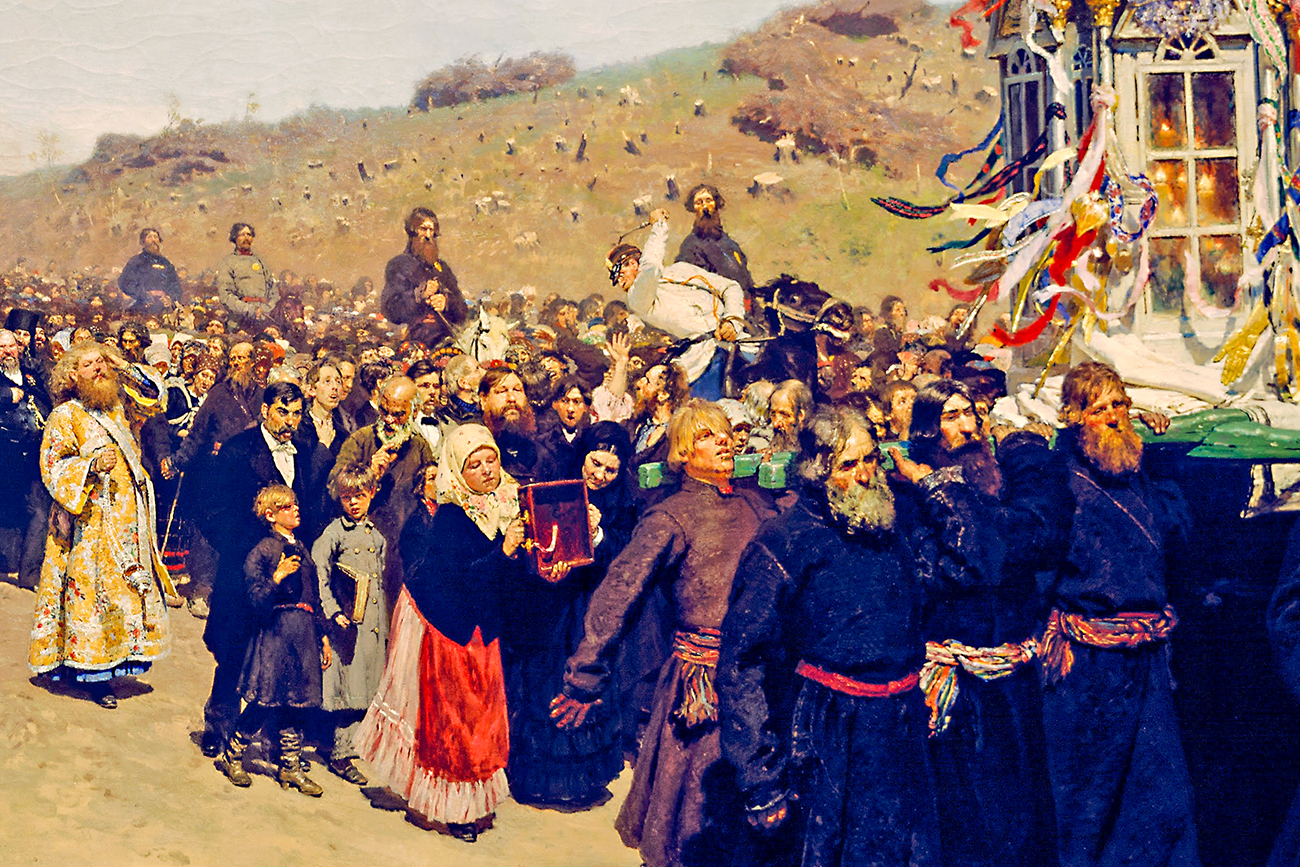
Religion also shifted. As prayers failed and clergy died alongside peasants, blind faith fractured. Some turned toward extreme devotion, believing the plague was divine punishment. Others quietly drifted away, questioning why salvation spared no one. This spiritual tension reshaped religious practice and planted early seeds of skepticism that would later bloom during the Renaissance.
Art absorbed the trauma. Skeletons danced with the living in murals and manuscripts. The “Dance of Death” motif spread across Europe, a reminder that mortality ignored wealth, power, and virtue. Beauty no longer stood alone. It shared space with decay. This confrontation with death pushed artists to explore realism, emotion, and the fragility of life more honestly than ever before.
Centuries earlier, the Plague of Justinian quietly altered the fate of empires. Striking the Byzantine world in the 6th century, it killed millions and drained the resources of an already strained empire. Military campaigns stalled. Trade networks collapsed. Some historians argue this pandemic permanently weakened Byzantine power, reshaping the political map of Europe and allowing rival forces to rise. Disease did what armies could not.
Pandemics also rewrote daily behavior. Handwashing rituals, isolation practices, and suspicion of strangers emerged long before germ theory. Communities closed gates, burned belongings, and avoided physical contact. Social distance was not a modern invention. It was learned through fear, observation, and survival.
Even language changed. Words associated with illness, purity, contamination, and cleansing took on moral weight. The sick were sometimes viewed as cursed, dangerous, or sinful. This stigma influenced law, charity, and urban design, separating populations and redefining who belonged where.
In the modern era, the Spanish Flu reminded the world that progress did not guarantee safety. Striking at the end of World War I, it killed more people than the war itself. Governments censored information to maintain morale. Public trust eroded. Citizens learned that authority could be as vulnerable as the population it governed. This pandemic accelerated public health systems, reshaped journalism ethics, and altered how nations communicated risk.
What unites these pandemics is not just death, but transformation. Disease forced humanity to confront limits. It exposed inequality. It humbled power. It inspired compassion and cruelty in equal measure. Pandemics acted as mirrors, reflecting who societies truly were when stripped of comfort and certainty.
Modern medicine has given humanity tools, but not immunity from consequence. The past reminds us that pandemics are not only biological events. They are cultural earthquakes. They leave behind new social rules, new fears, new art, and new questions about meaning and responsibility.
History shows that when disease reshapes humanity, the world that emerges afterward is never quite the same. And perhaps that is the most enduring legacy of all.


The excitement here is on another level. Great selection of games and the mobile version works like a charm. Check out pkbetmgm now.