

Civilizations do not collapse only through war or famine. Sometimes they unravel quietly, when knowledge disappears.
Throughout history, humanity has built vast libraries not merely to store books, but to preserve memory itself. When those libraries burned, the loss was not just physical. Entire ways of thinking vanished. Questions were silenced before they could be answered. Futures were altered without anyone realizing it at the time.
The most famous loss remains the Library of Alexandria. More than a building, it was a living brain of the ancient world. Scholars gathered texts from Greece, Egypt, Persia, India, and beyond. Mathematics, astronomy, medicine, engineering, philosophy, theater, and early science lived side by side on its shelves. Some historians believe it contained works describing early steam-powered devices, advanced anatomy, and star charts far more precise than Europe would achieve centuries later.
When the Library of Alexandria disappeared, it did not vanish in a single dramatic blaze, but through repeated destruction, neglect, and political indifference. What was lost cannot be fully measured because we no longer know what questions those texts were asking. Humanity did not just lose answers. It lost directions.
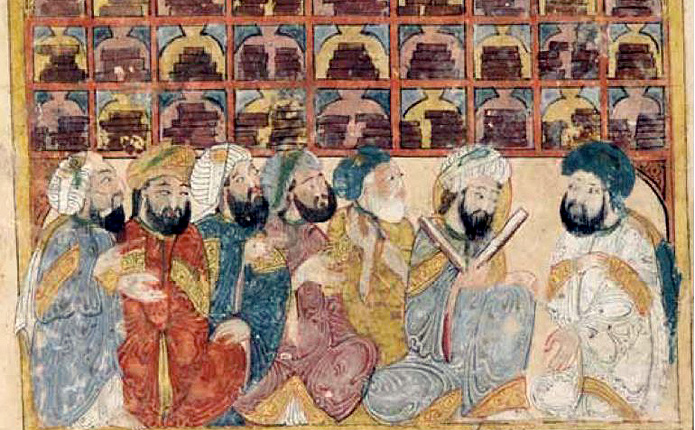
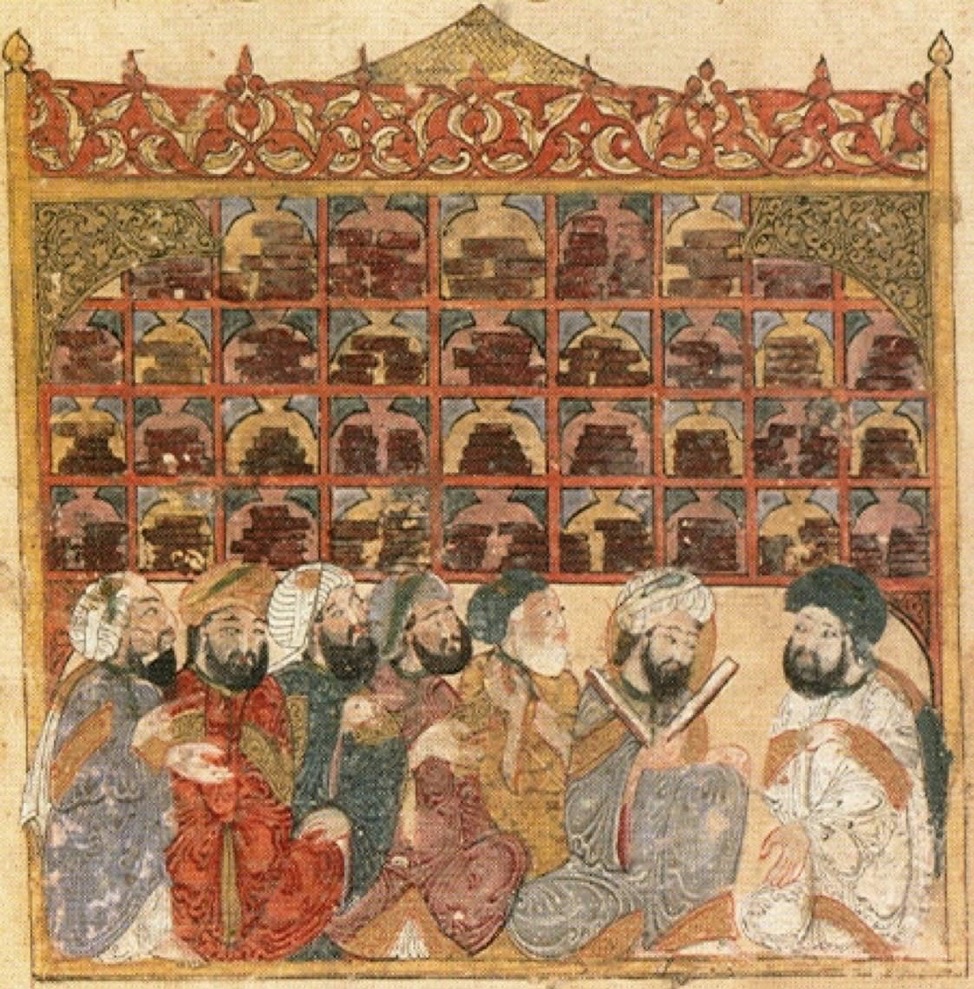
Centuries later, another beacon of knowledge flickered out in the Islamic Golden Age. The House of Wisdom in Baghdad stood as a center of translation and innovation. Scholars preserved and expanded upon Greek philosophy, Indian mathematics, Persian science, and original discoveries in optics, chemistry, and medicine. Algebra, algorithms, and modern scientific methods owe much to this era.
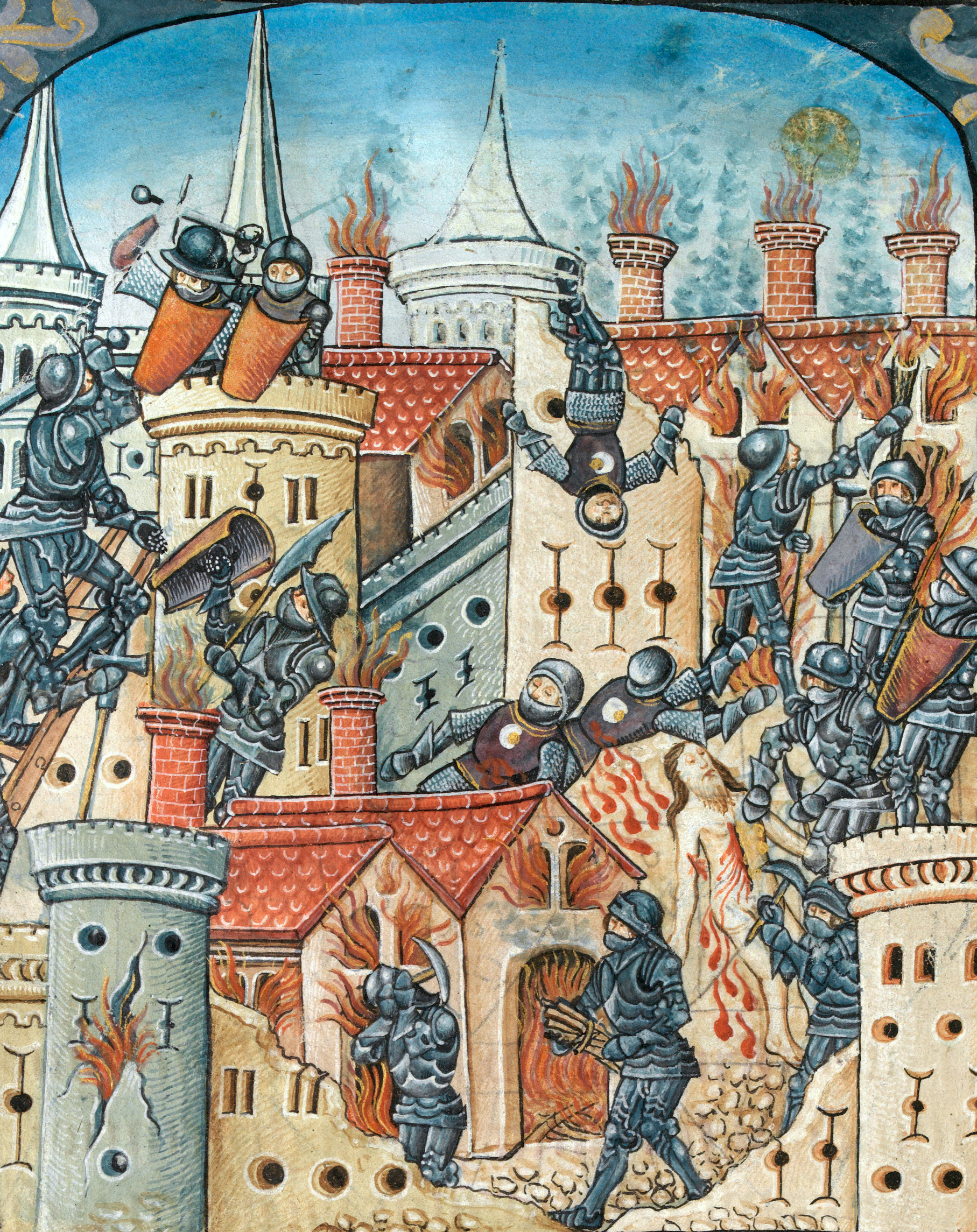
When Mongol forces sacked Baghdad in 1258, libraries were destroyed so thoroughly that chroniclers claimed the Tigris River ran dark with ink from discarded manuscripts. Whether literal or symbolic, the image remains devastating. Knowledge built over generations vanished in days. The momentum of scientific progress slowed, and Europe would later rediscover fragments of this lost wisdom through translation rather than inheritance.
In Asia, the destruction of Nalanda University was equally catastrophic. Nalanda was not just a university but a global center of learning, attracting students from across Asia. Its libraries housed texts on medicine, astronomy, logic, linguistics, and philosophy. When it was burned in the 12th century, the fires reportedly smoldered for months. An entire intellectual ecosystem collapsed, leaving gaps in Eastern philosophy and science that still puzzle scholars today.